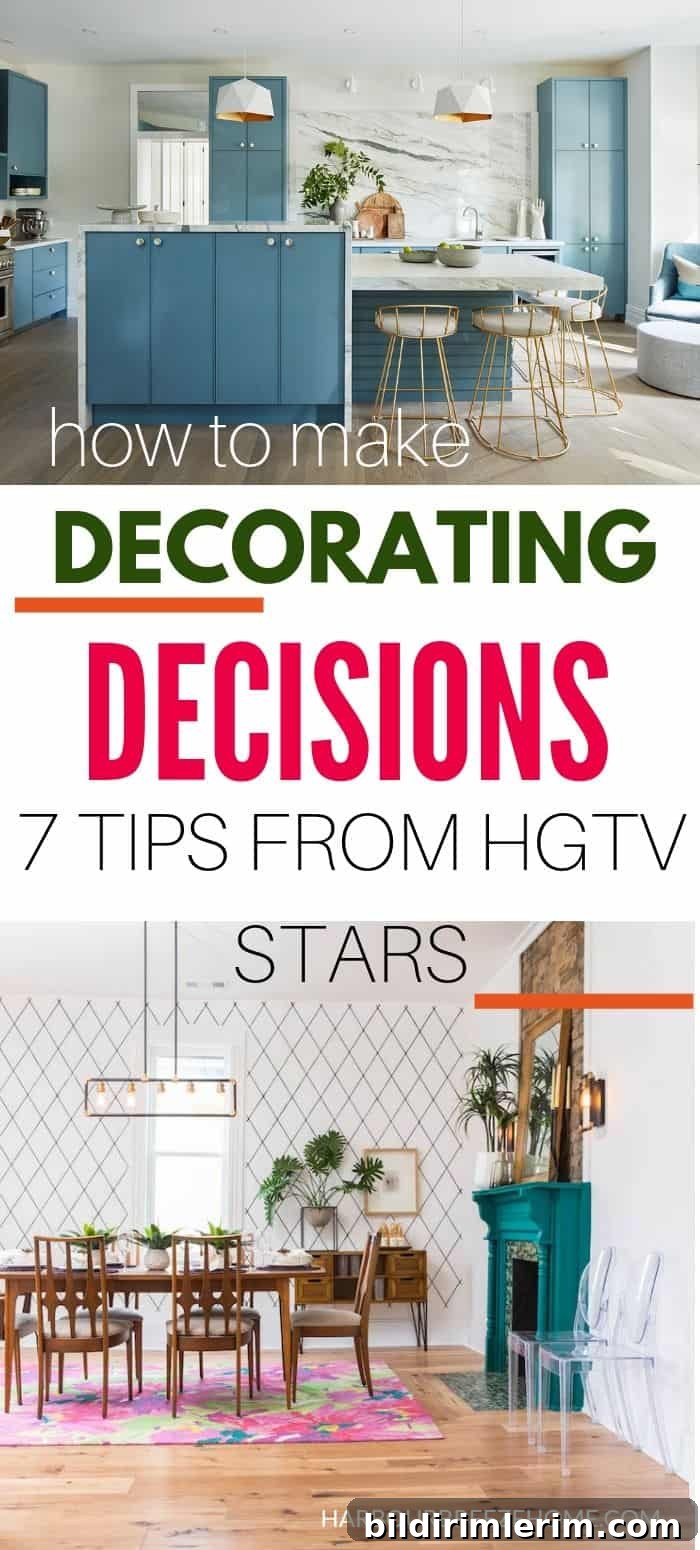
In this article: Learn from the pros and find out how to overcome decorating paralysis with seven practical lessons from HGTV stars.
I’d like to say I do room makeovers in a snap and always make design decisions confidently. The truth is I don’t.
I once painted an entryway six times before I landed on a color I finally loved. Another time I tried a trendy modern scheme that just didn’t feel like home. And I spent a week deciding whether to keep a rug I ordered online—spoiler: I kept it and still love it years later.
Anyone who’s tackled a room makeover knows how overwhelming the choices can be. After completing more than 28 projects over the last 28 years, I’ve learned that a beautiful result comes from making one thoughtful decision after another.
I also find it encouraging to watch how experienced designers handle the process on HGTV. They’re professionals with countless renovations behind them, yet they still face moments of indecision. Here are seven practical lessons I’ve gathered from those pros to help you move past decorating paralysis.
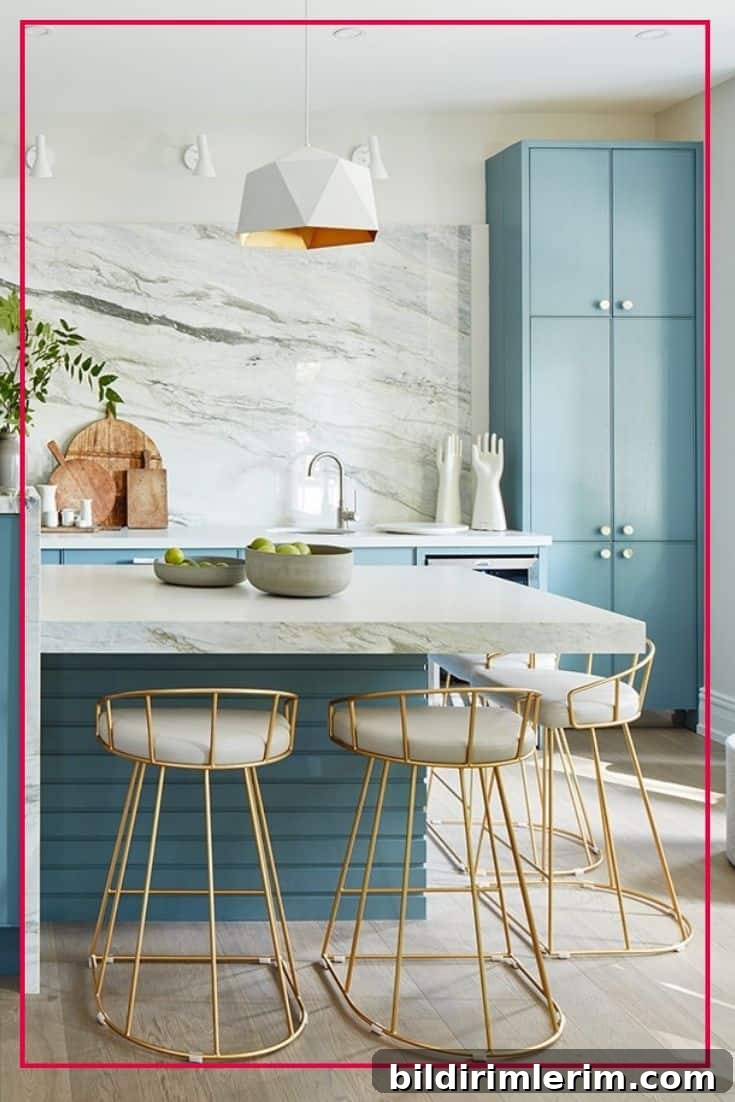
How to Decorate a Room: Overcome Decorating Paralysis (Lessons from HGTV Stars)
1. Deadlines help you make decisions on time
On television, tight timelines and financial stakes force designers to decide quickly. You don’t need to rush into a stressful panic, but setting a clear completion date can keep momentum and prevent endless wavering.
Shows about flipping homes demonstrate how a timeline motivates choices and progress—when a move-in or market date is fixed, the work gets done. In my own experience, a hallway makeover I partnered on had a set finish date months in advance; without it, the project probably would have lingered.
2. Begin with the end in mind
Before selecting finishes or furniture, think about how the room needs to function and how you want it to feel. Renovation pros often define a space by purpose and mood first, then make choices that support that vision.
Ask two simple questions before you start:
- How does this room need to function?
- What three words should describe how this room feels when it’s finished?
Answering those will narrow options and guide consistent decisions from layout to decor.
3. Start with one decision and build from there
Designing a room is like baking a cake: you add one ingredient at a time until everything comes together. Pick a key element you love—fabric, a piece of furniture, a tile, or a countertop—and use it as your starting point.
Many designers choose a single focal element and coordinate colors, finishes, and accessories around it. This approach makes subsequent decisions easier because they’re made in relation to that first choice.
4. Use visual tools to see elements together
Seeing samples side by side prevents surprises. Designers often lay out swatches on a tray or board so clients can visualize how materials, colors, and textures will work together.
If you don’t have physical samples, make a digital mood board or print images and arrange them on a cork board. You can also try simple 3D room planning tools. Visualizing all elements together reduces uncertainty and speeds decision-making.
5. Test paint in the room you’ll paint
Paint can transform a room, but color behaves differently under various lighting conditions. Even experienced designers sample multiple paint chips and test them on the actual walls before committing.
Always test paint in the room you’re changing, observe it at different times of day, and live with samples for a few days. This prevents disappointments like a wall color that clashes with your existing textiles or feels off at night.
6. Buy more than one option, then return what you don’t keep
If you’re a visual person who needs to see items in place, buy two or three options and return the ones that don’t work. Ordering multiple curtains, pillows, or lamps and returning the least successful choices is a low-stress way to find the right look.
This tactic reduces second-guessing and moves the project forward—when you see an item in the room you’ll know quickly whether it earns a permanent spot.
7. Research, learn new trends, and ask experts
Good design often comes from curiosity. Watch how pros incorporate unique craftsmanship, discover new products, and adapt techniques to fit their budgets. Learning from experts—whether through shows, articles, or local artisans—can spark fresh ideas and even teach new skills.
Even on a tight budget, research leads to smarter choices and sometimes reveals affordable alternatives that capture the same look.
Ready to Start a Room Makeover?
If you want a structured way to begin, look for free tutorials or short courses that break the process into manageable steps. A simple plan that guides you from concept to completion can keep momentum and make decisions less intimidating.
*This post was originally published August 13, 2019 and updated May 2022.