
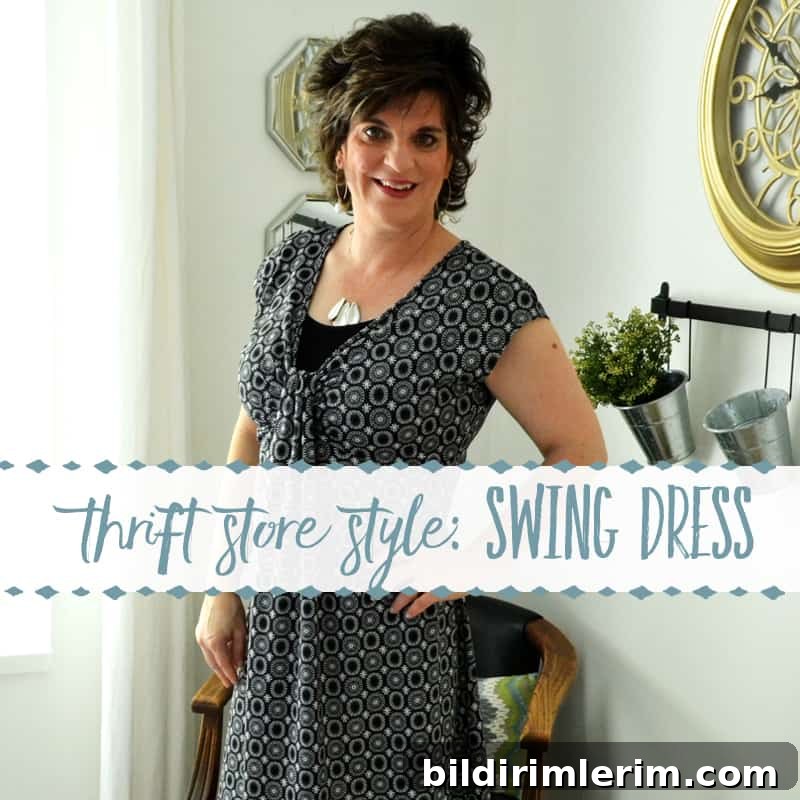
Thrift Store Style: My Swing Dress Story and Tips for Shopping Consignment
Last summer a friend took me to a local consignment shop that feels more like a curated boutique than a typical thrift store. The racks were tidy, outfits were styled with accessories and shoes, and everything felt intentional—easy to browse and inspiring to shop.
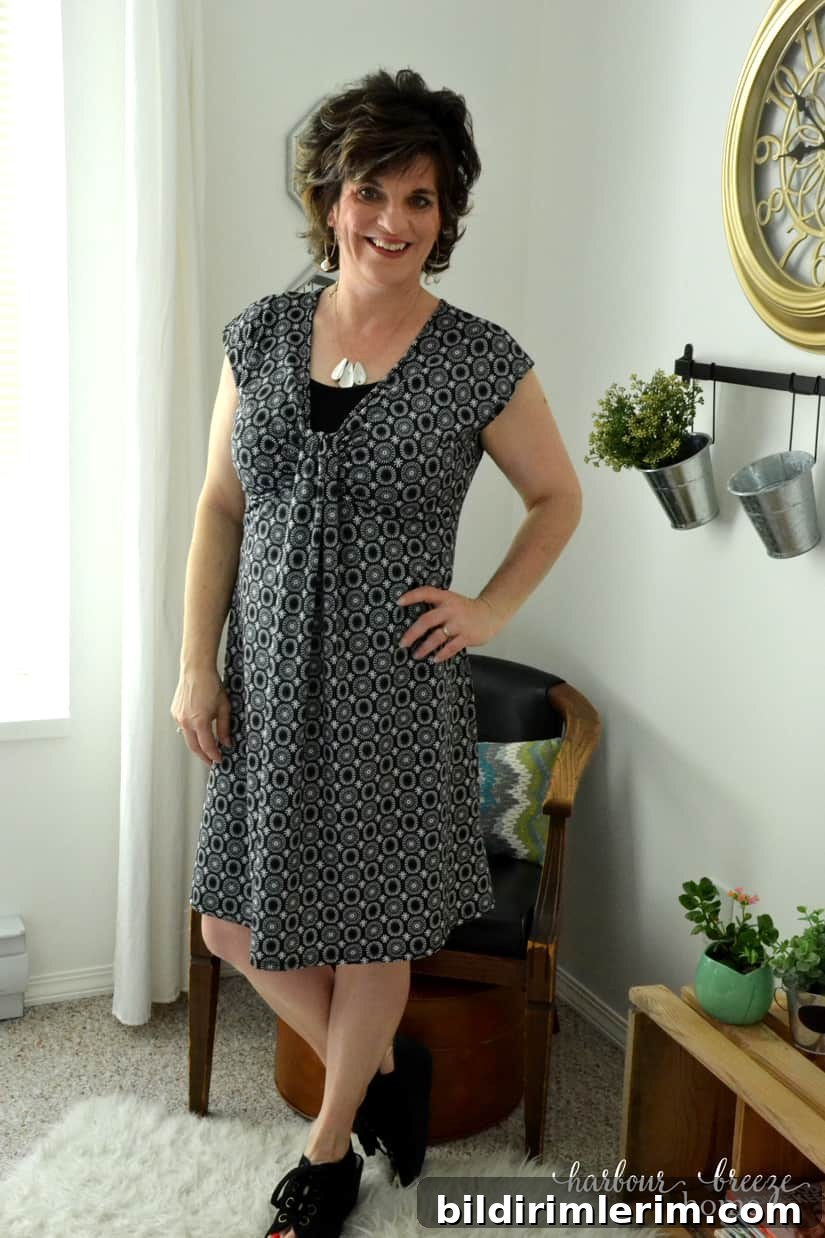
That day I was hunting for a dress to wear to an upcoming wedding and I stumbled upon a swing dress that immediately caught my eye. It was comfortable-looking and had a breezy silhouette that seemed perfect for warm weather.
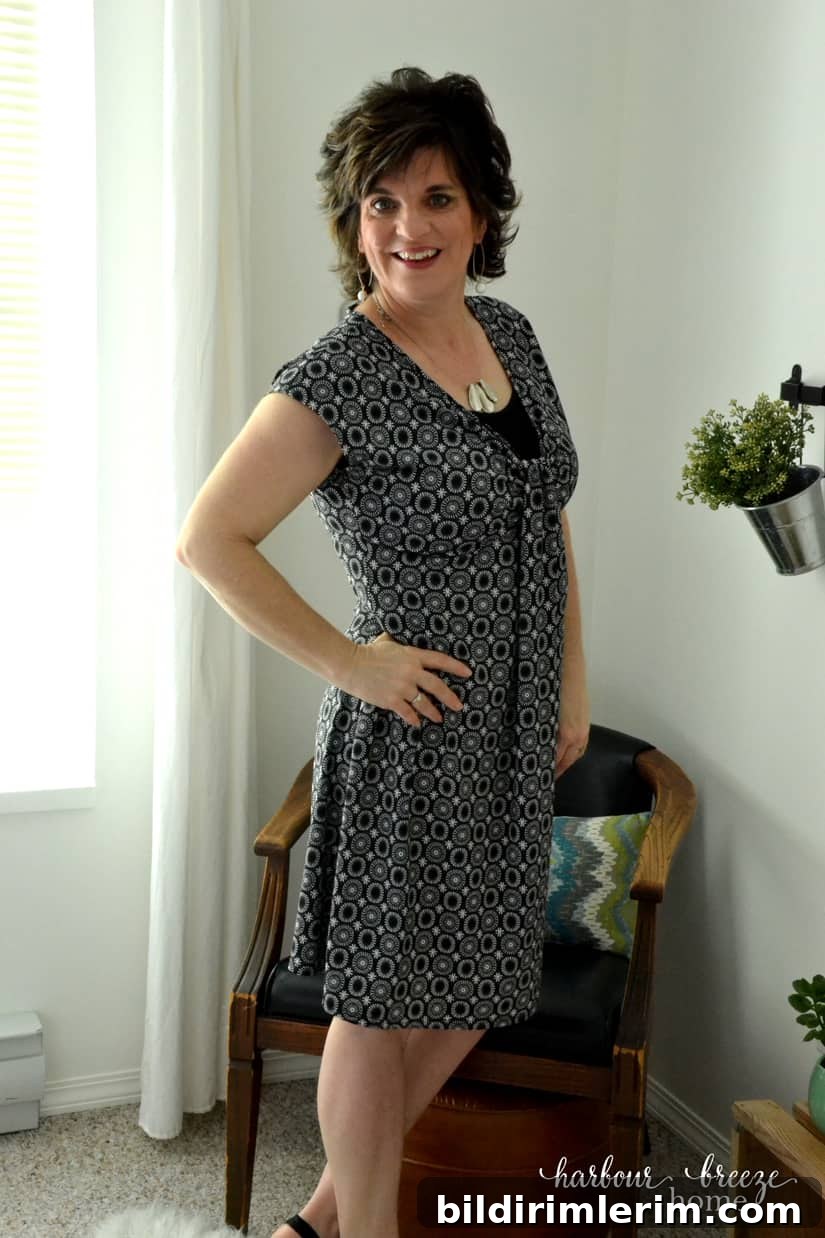
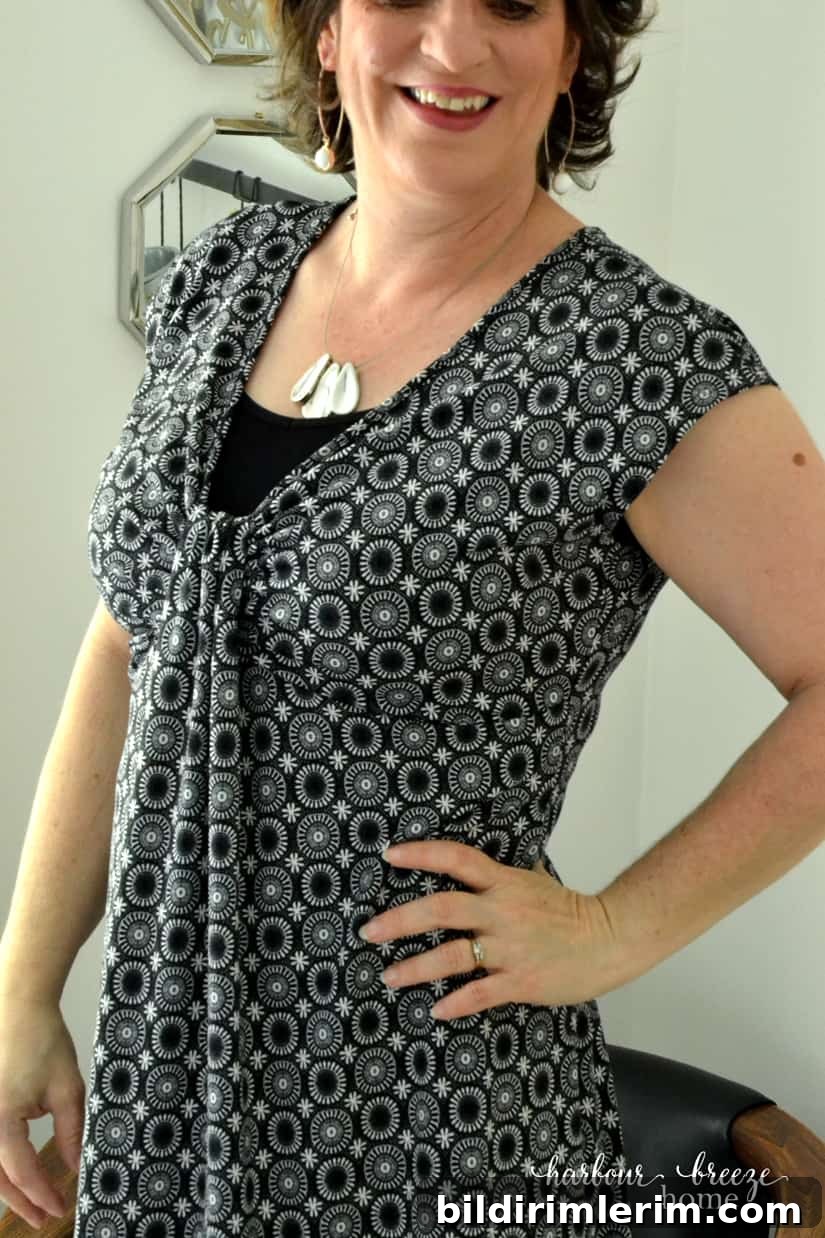
Despite liking it, I hesitated because of a drapey panel across the front. I wasn’t sure whether that detail read as stylish or a little odd on me. I bought it anyway, and it spent most of the year hanging in my closet—surviving a few major purges—unworn.
One bright day recently I had lunch plans with a friend at a casual oceanfront restaurant and wanted something cool, comfortable, and a little dressy. I pulled the swing dress from the back of the closet and decided to give it a test run.
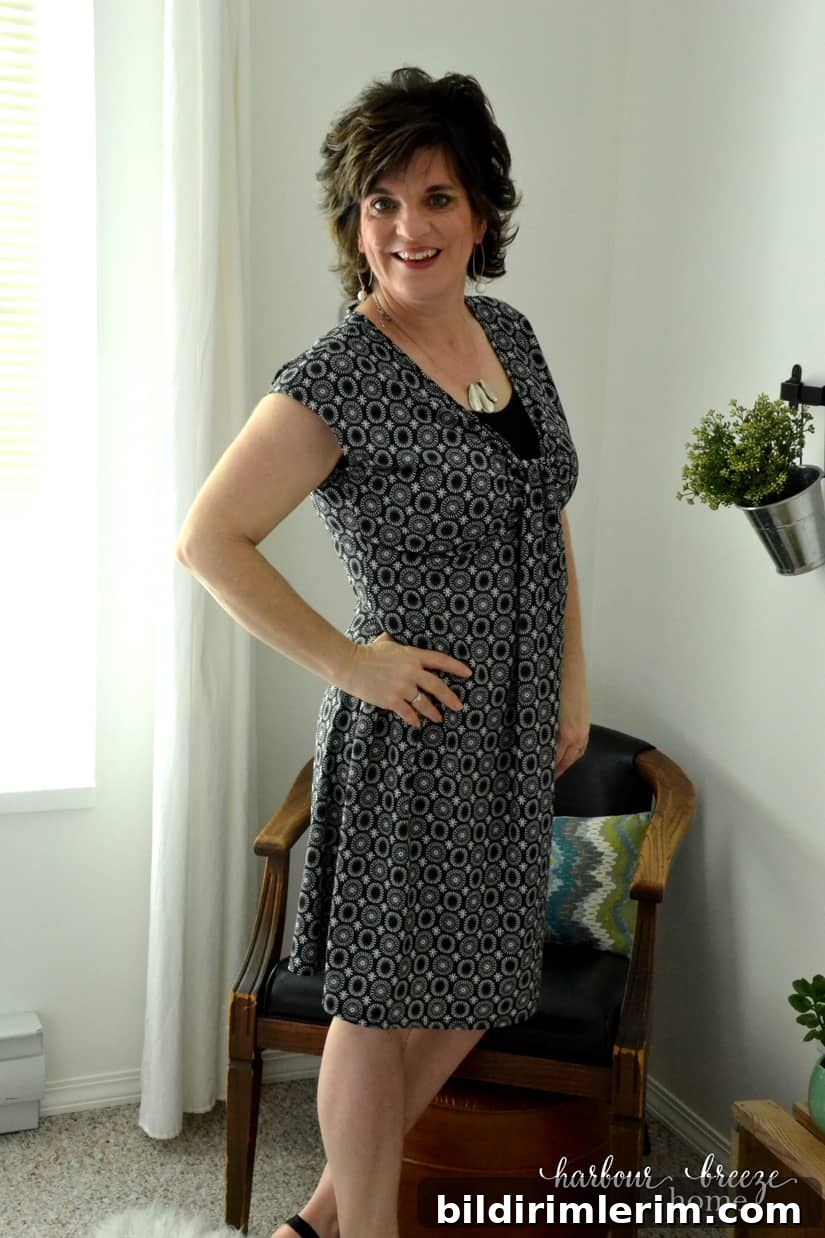
The verdict? The dress worked beautifully. It felt fresh and relaxed on the patio, and I even introduced my snowy white legs to the sun again. The drapey detail that once gave me pause turned out to be a flattering, breathable element that made the dress feel more modern and effortless.
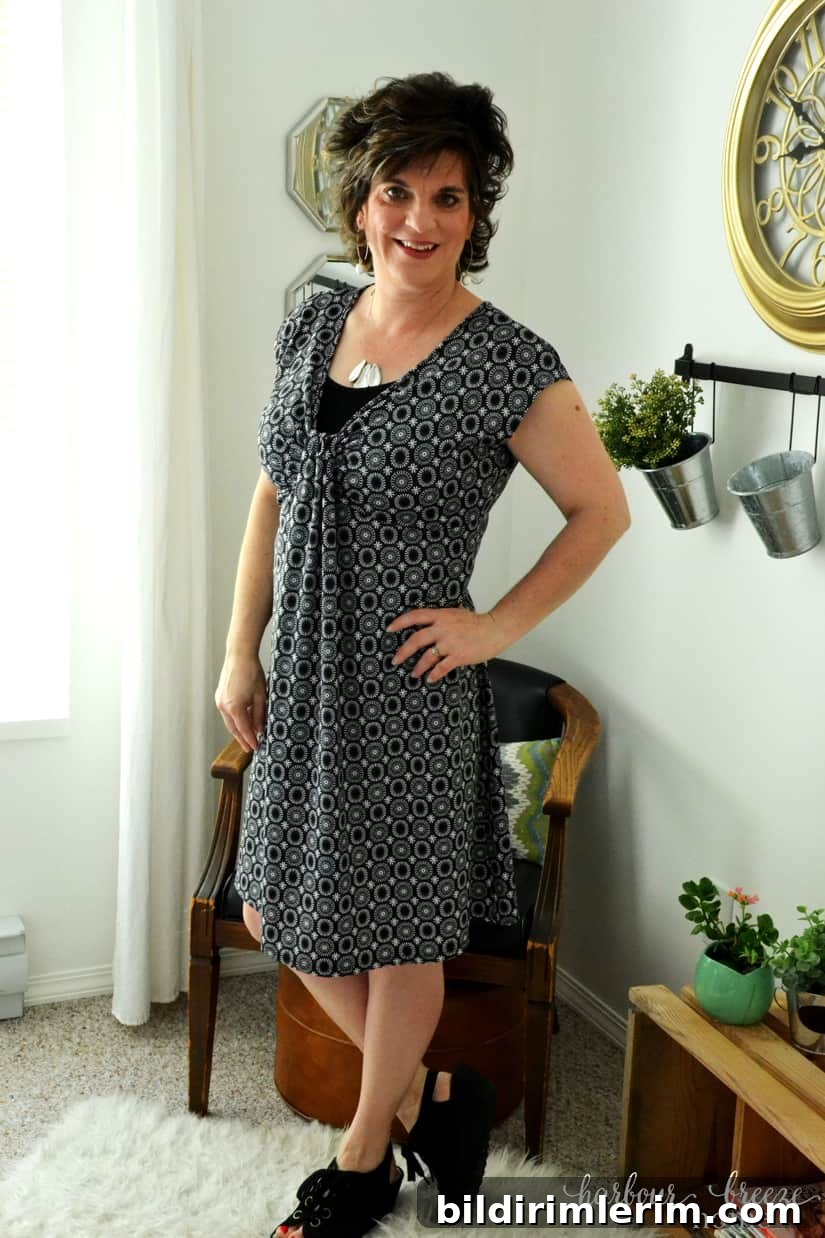
Shopping consignment and thrift stores is a great way to find unique pieces, experiment with your style, and shop more sustainably. I hadn’t been thrifting much before, but this experience nudged me to explore secondhand shopping more often—and I’ve picked up a few practical tips along the way.
Here are some thrift shopping and consignment tips I’ve learned and now try to follow:
- Inspect the garment carefully. Look for stains, pulls, or missing buttons, and check seams and lining. A small repair or a missing button is usually fixable, but major damage can take the joy out of a find.
- Check the fabric and care label. Natural fibers like cotton, linen, and wool often wear well and can be tailored, while delicate blends may require extra care.
- Try things on, or at least drape them over you. Sizing varies widely by brand and era. A piece that feels odd on the hanger can look great when worn or altered slightly.
- Think about tailoring. A quick alteration—cinching a waist, shortening a hem, or removing an unnecessary panel—can turn a thrifted find into something custom and flattering.
- Consider smell and cleanliness. If something has a musty odor, washing or a professional clean can often remedy it. If the smell persists, it’s likely better to pass.
- Mix old and new. Pairing a secondhand dress with contemporary accessories or shoes instantly updates the look and keeps your outfits feeling current.
- Be open to details. Unique cuts, unexpected drapes, and vintage trims are what make thrifted pieces special. If you like the silhouette, don’t be afraid to experiment.
- Ask staff for help. In consignment shops where items are curated, staff can point you to pieces that fit your style and save time.
So, what about you? Do you enjoy shopping consignment or digging through thrift racks? I’m planning to make thrift shopping a more regular part of my wardrobe strategy and would love any tips you might have—favorite consignment finds, clever alteration ideas, or ways you mix secondhand pieces into your everyday looks.
Whether you’re hunting for a statement swing dress or a practical wardrobe staple, consignment and thrift stores can be a rewarding place to discover well-made, affordable, and sustainable fashion. The key is patience, an open mind, and a willingness to try things on—and sometimes to let a once-doubtful piece surprise you.