
Hello and welcome!
Thank you for stopping by. Come on in — I’d love to show you the space I’ve been spending a lot of time in lately. It’s quite different from the kitchen I usually work in…
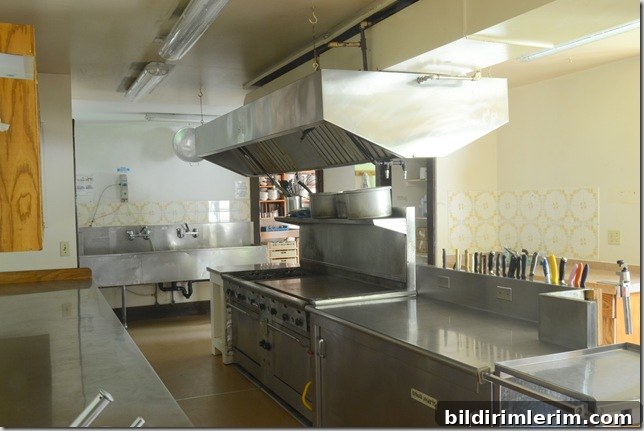
This is the camp kitchen.
Over the past few days I’ve been cleaning, sorting, and organizing in preparation for a busy fall and winter season. I’ve had some wonderful help along the way, as you may recall, and at one point the space looked quite different while we tackled the job.
This kitchen has been in continuous service since 1979. If the walls could speak, they would tell stories of preparing meals for kids’ camps and family camps, of feeding wedding parties and guests at memorial services, and of countless family gatherings. They would likely also tell the tale of late-night “food raids” by sneaky youngsters who hoped not to be noticed.
Beyond the meals, this place has been a classroom — a space where people learn by doing.
The big pots-and-pans sink has been the scene of many lessons in humble servanthood, teamwork, and the joy of pitching in. Washing dishes together, rinsing pans, and sharing the workload shows newcomers how cooperation keeps a busy communal kitchen running smoothly.
At the butcher block table, adults and teens have spent hours chopping, slicing, and arranging colorful platters of vegetables and fruit — preparing wholesome food for groups and honing practical kitchen skills. The worn surfaces and knife marks are evidence of life lived and meals shared here, in contrast to pristine show kitchens that exist only for display.
As I planned and organized the space, I was reminded that this isn’t “my” kitchen alone. It’s a communal resource that depends on many hands and thoughtful systems to function well.
Compared with organizing a home kitchen, the priorities here are different. This space needs to be wipeable, scrub-able, durable, and extremely organized. A good workflow is essential: prep areas, cooking zones, dishwashing stations, and storage should be arranged so that multiple people can work at once without getting in each other’s way.
Items have to be stored where they make the most sense for the people who will use them. Durable shelving, clearly labeled containers, easy-to-clean surfaces, and logical placement of frequently used tools and ingredients all help speed service and reduce friction during busy meal periods.
We’ve seen many cooks come and go over the years, and each person brings a small tweak or request that improves the setup. Over time, those changes add up, and what remains is a practical, well-tested plan that supports a variety of people and menus.
I did have one personal request: a fresh coat of paint. A little color and fresh walls would brighten the space and make it feel more welcoming for staff and guests alike. Our maintenance team will do what they can — and I’m saving my energy for the cooking ahead — but with a new group arriving in just six days, the painting may have to wait until December. Still, it’s encouraging to know it’s coming.
Now that the deep cleaning and organizing are nearly complete, it’s almost time to start baking and cooking. What should we begin with? The possibilities are endless: fresh bread, hearty soups, roasted vegetables, or sweet treats to welcome our guests. I’m excited to get back into the kitchen and share more of the meals and memories that happen here.
Thanks for visiting the camp kitchen — a place full of history, practical design, and the lively rhythms of communal cooking.