
How Blogging Helped Me Improve My Photography: A Light Experiment
Blogging pushed me to become a better photographer. It’s rewarding and, at times, a little frustrating—often both at once. I’m regularly inspired by images I see on other blogs and in magazines, and that inspiration can easily turn into frustration when I can’t match what I see. The most important lesson I’ve learned is to be persistent: keep shooting, practice the basics, and embrace digital photography’s advantage—deleting bad shots costs nothing.
Lighting has been the toughest part of the puzzle for me. When I photograph small items, I can move them to find the best light and try different angles. Moving an entire room isn’t so simple, so I decided to run a small experiment to find the best time of day to photograph my fall-themed living room.
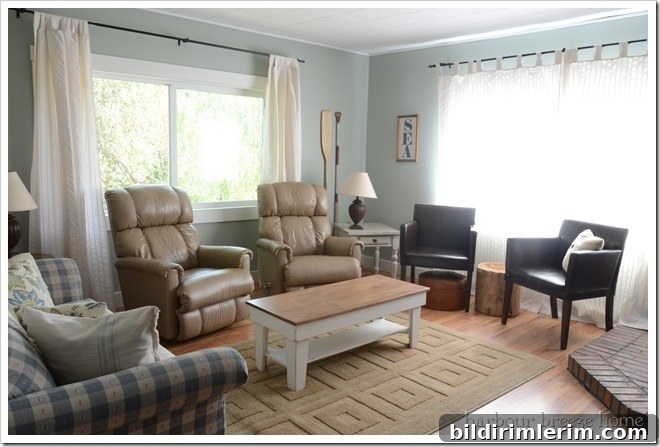
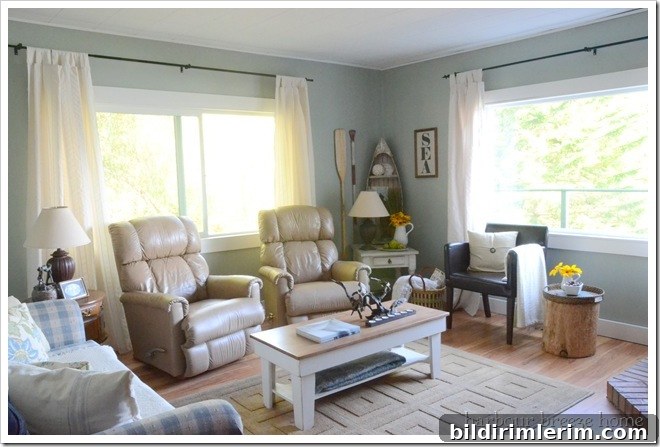
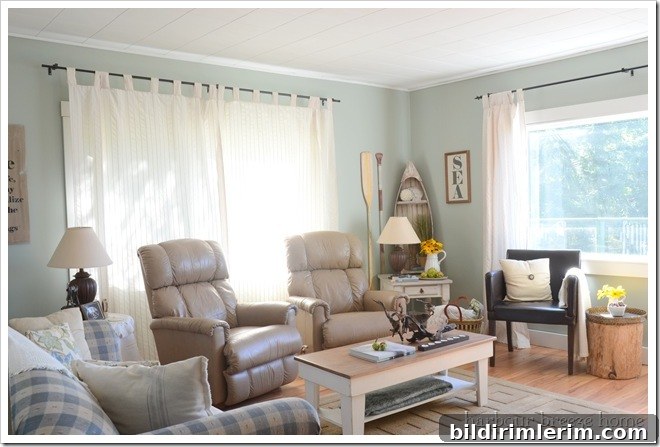
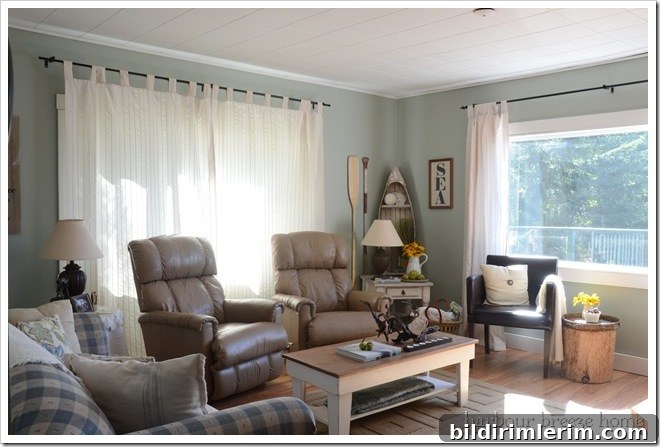
I took unedited photos at different times without using the camera’s flash, keeping the room and styling the same. For the record, I included the camera settings so other photographers or hobbyists can compare results and learn from the experiment.
Early afternoon (f/11; ISO 1000; 1/30):
Late evening, just before sunset (f/18; ISO 3200; 1/13):
The next morning at 9:30 a.m. (f/4.5; ISO 200; 1/80):
One hour after that (f/10; ISO 200; 1/8):
What I Learned About Light and Timing
My clear takeaway was that mid-morning light—around 9:30 a.m. in this room—produced the most pleasing balance of brightness and color. I had to close one set of curtains to diffuse some direct sunlight, but the overall result felt bright, airy, and natural. In contrast, the late-evening shot looked grainier because of the high ISO required and the slower shutter speed. The early-afternoon image was fine, but the mid-morning option captured color and detail most effectively with lower ISO.
To improve image clarity for the later shots, I used a tripod for the two morning photos and locked the ISO at 200. Using a tripod allowed me to use slower shutter speeds without introducing blur from camera shake, and keeping ISO low minimized noise. That’s something I should do more often—tripods and low ISO go a long way toward cleaner, sharper images.
Brief Explanation of the Settings
For those learning the technical side: I shoot in Aperture Priority (A or Av) mode, which lets me select an f-stop while the camera sets the shutter speed automatically. The f-number controls depth of field—larger numbers (f/11, f/18) yield more of the scene in focus, while smaller numbers (f/4.5) produce a shallower depth of field and more background separation. ISO adjusts the sensor’s sensitivity to light—higher ISO helps in low light but increases grain or noise. Exposure compensation (+/–) is useful for brightening or darkening the overall image when the camera’s meter isn’t giving the look you want.
Practical Tips for Room Photography
- Test multiple times of day to find the “sweet spot” for your particular room; the directional quality and color temperature of light change throughout the day.
- Use natural light when possible and avoid on-camera flash, which can flatten a scene and create harsh shadows.
- Use a tripod to allow for lower ISO and steadier framing, especially in lower light or when using smaller apertures for more depth of field.
- Control direct sunlight with sheers or partially closed curtains to avoid blown highlights and strong contrast.
- Keep a consistent white balance or set a custom white balance to maintain accurate colors across multiple shots.
Further Reading and Inspiration
If you want to dive deeper, I found a few helpful resources and tutorials that inspired me. Titles and authors worth looking for (search by name or blog title):
- Miss Mustard Seed — “Growing as a Photographer”
- Dear Lillie — “Easy Tips for Photographing Food”
- My 3 Boybarians — “31 Days of Photo Tips”
Photography improves with practice and patience. Keep experimenting with light, use the tripod, learn your camera’s settings, and most importantly—keep shooting. Digital photography makes it easy to try many approaches until you find what works for your space and style.