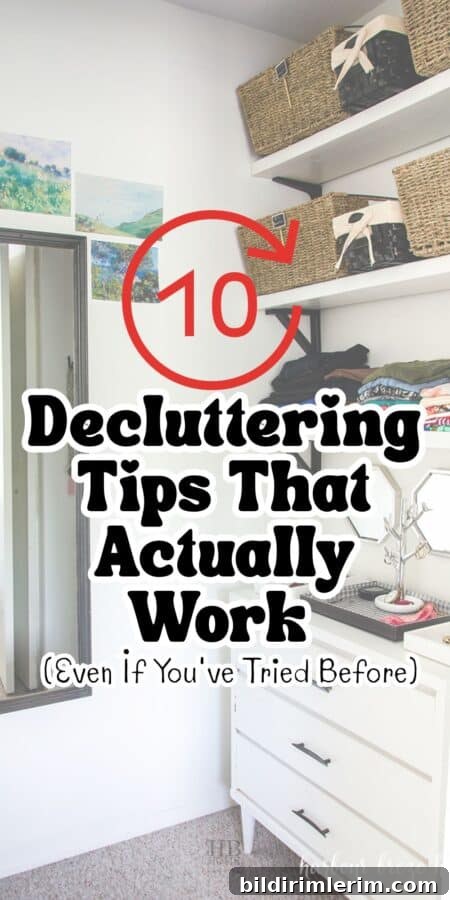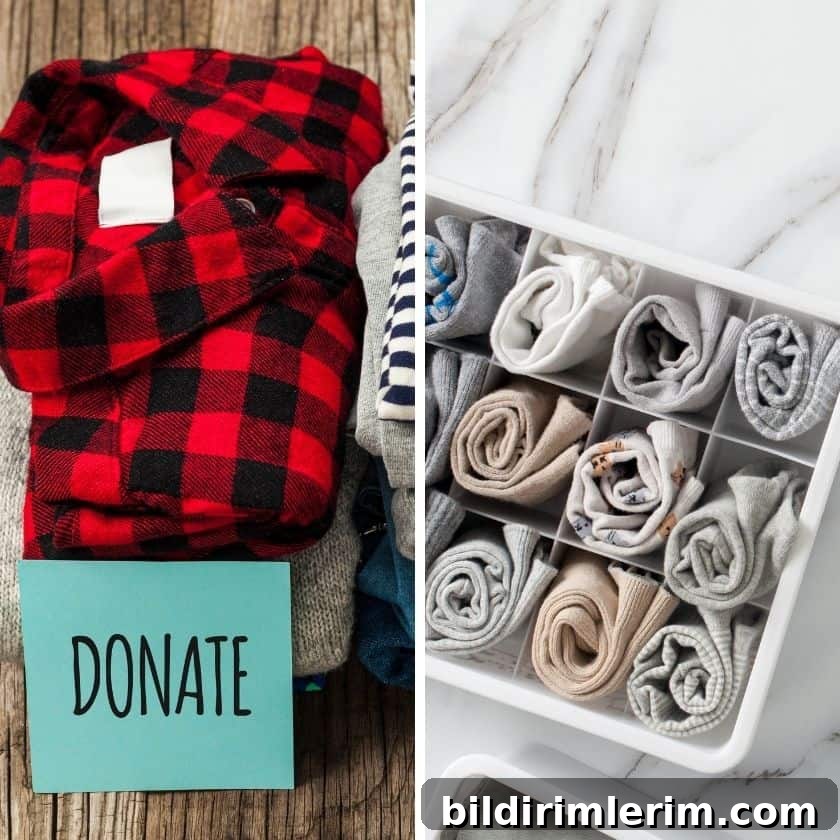
Ready to finally declutter your home and keep it that way? These 10 practical decluttering tips will help you move past overwhelm and create a home that feels calm, spacious, and organized.
I’ve always enjoyed home organization and thought I kept up with decluttering fairly well—until we dramatically downsized our home.
Moving into a space about one-third the size of our previous house tested every organizing habit I had. During that process I developed practical approaches that make major purges manageable and help maintain order afterward.
If you want a home with less clutter, here are effective, easy-to-apply strategies to get you there.
Tips for Easy Home Decluttering
1. Imagine your end goal: an organized, peaceful home
Motivation makes a big project like decluttering easier to start and finish. Keep a clear mental picture of how you want your home to look and feel—calmer, more functional, and easier to maintain. That vision will help you stay focused and make decisions when you’re unsure.
Let that image guide your choices and reinforce the home organization habits you develop.
2. Choose a realistic plan to declutter your home
A whole-home declutter can feel overwhelming, so break it into small, manageable tasks. Pick an approach that fits your schedule and energy.
Some effective options:
- Set a timer and declutter a specific area for 15 minutes a day.
- Use a room-by-room checklist and focus on one space each week.
- Fill one donation bag per day or one per week and remove it from your home regularly.
- Invite a friend or family member to help for a few hours to speed up progress and add accountability.
Whatever method you choose, consistent action—even small steps—beats doing nothing.
3. Set up a permanent drop-off zone
Create a dedicated spot for items you plan to donate, sell, or give away. Regularly collect contributions there so decisions aren’t delayed. When the box or bin is full, take it to the thrift store or schedule a pickup.
We keep a box on the garage bench for donations. It simplifies decluttering because items don’t linger in limbo around the house.
4. Build a healthy decluttering mindset
A common roadblock is the “what if I need it later?” fear. That worry can freeze progress. Reframe the process by focusing on the benefits of owning less:
- Less to clean and maintain
- More space for the activities you love
- Freedom to buy fewer, better-loved items
- Reduced stress and a lighter home environment
When possessions feel like a burden instead of a blessing, it’s time to simplify.
5. Begin with items that are least sentimental
Save sentimental items for last. Start with categories that are easier to evaluate—clothes, kitchen gadgets you don’t use, and junk drawers. That experience builds decision-making confidence before you face emotionally charged possessions. The KonMari order—clothing before sentimental items—is a helpful framework to follow.
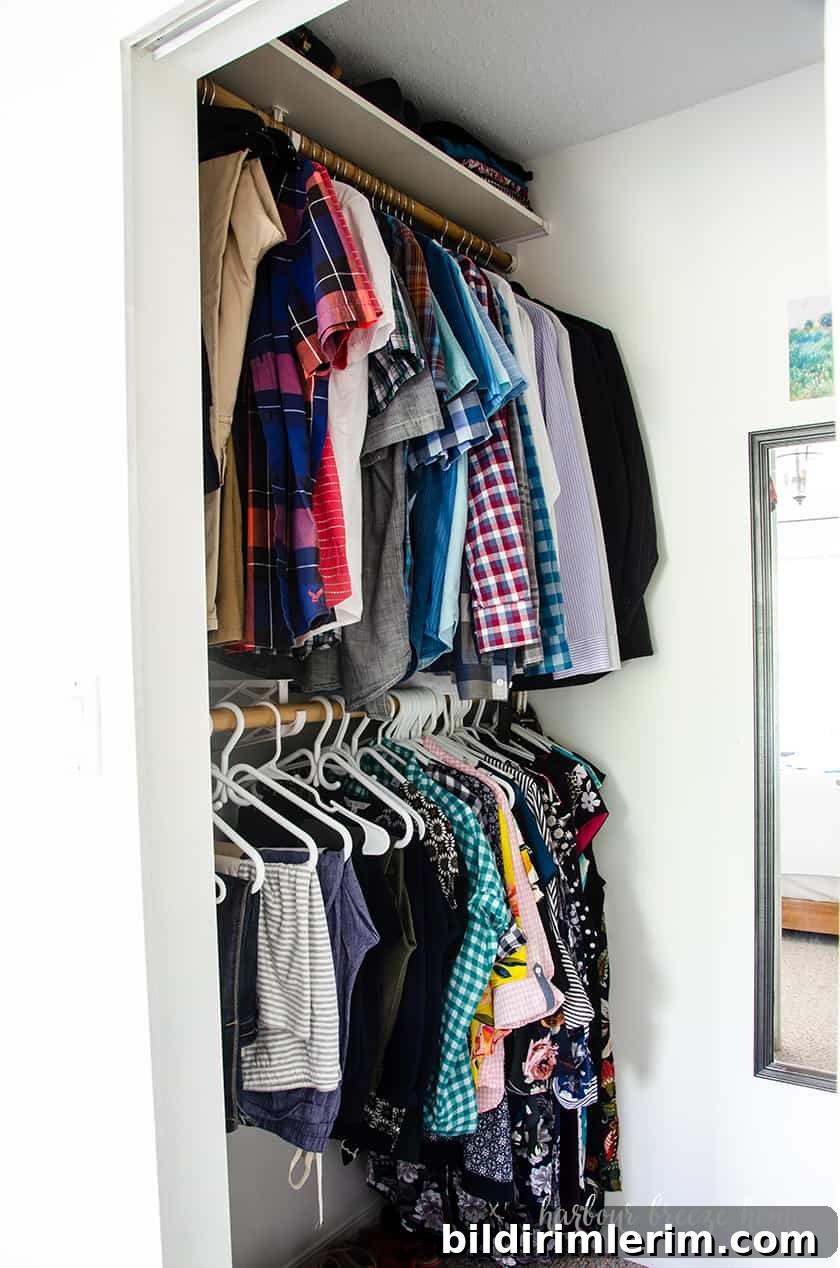
6. Ask clear questions to decide what to keep
Use simple questions to guide choices: Have I used this in the past year? Do I feel good wearing this? Is it broken and unlikely to be repaired? If the answer is no, it’s probably safe to let it go.
For gifted items, ask whether you use it, whether it brings positive memories, or whether you can see yourself using it. Not using a gift doesn’t mean you don’t care for the giver—just find a respectful way to rehome it.
7. Handle sentimental items with creativity and care
Sentimental items deserve thoughtful solutions rather than simply storing them forever. Consider these options:
- Use treasured pieces daily instead of saving them for rare occasions—this keeps memories alive.
- Pass heirlooms to family who will appreciate their story and care for them.
- Digitize recipe cards, photos, and letters; create printed books or digital archives to preserve memories while saving space.
- Incorporate meaningful objects into your decor so they remain visible and loved.
8. Assign a specific place for each type of item
Limiting where things live helps control accumulation. For example, one closet for seasonal decor forces you to reassess items when space runs out. The “one in, one out” approach keeps collections from growing unchecked.
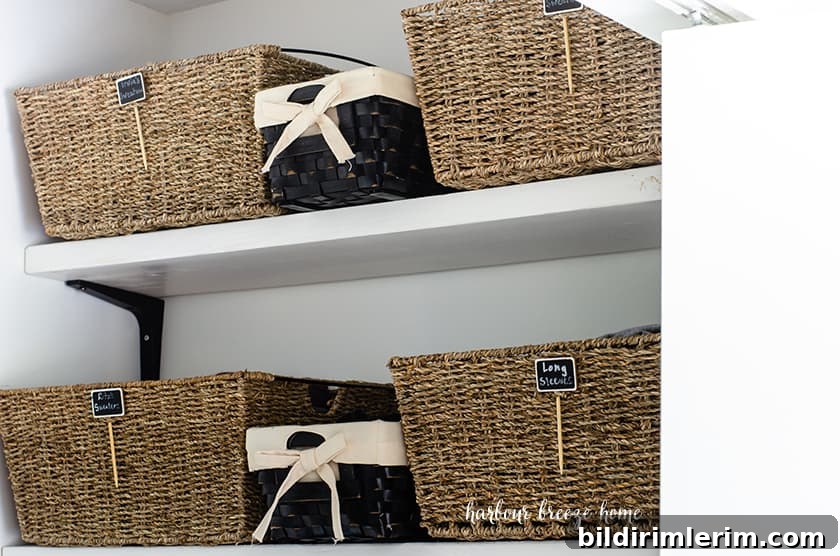
9. Buy storage solutions only after decluttering
Pretty baskets and labels are tempting, but they’re not a substitute for decluttering. Wait to buy containers until you know exactly what you’re storing and where. Otherwise you risk spending on organizers that don’t fit your needs and adding more clutter.
10. Develop daily habits to keep clutter away
Small, consistent habits prevent future overwhelm. Try these easy routines:
- Deal with paper right away: toss junk mail, file important documents.
- Return items to their designated spot after use.
- Keep a donate box accessible and add to it whenever you find things you no longer need.
Helpful resources for decluttering and home organization
If you need a guided starting point, look for simple decluttering checklists and room-by-room plans. A couple of books that many find useful are:
- The Life-Changing Magic of Tidying Up by Marie Kondo — practical, step-by-step guidance on decluttering and organizing specific categories.
- Make Room for What You Love by Melissa Michaels — thoughtful reasons and tips for tailoring your home to your values and needs.
Disclosure: These book recommendations are included for convenience.
More decluttering and organization ideas
- 30-day decluttering calendar
- Closet hacks for small spaces
- Clever kitchen storage ideas
- Coat closet and entryway organization tips
Related Home Organization Ideas:
- Under-sink kitchen organization solutions
- How to organize small kitchen cupboards efficiently
- DIY small closet organizers inspired by budget-friendly systems
- Simple ways to organize a small master bedroom
- Small bathroom storage ideas with farmhouse charm