Feeling overwhelmed by paper clutter? These ten thoughtful questions will help you quickly decide what to keep, what to toss, and how to create calm, usable space as you sort through papers one drawer at a time.
January often sparks a strong desire to organize everything at once. Over the years, I’ve discovered a simple, calmer approach: make small organizing choices consistently throughout the year so the big refreshes feel manageable instead of stressful.
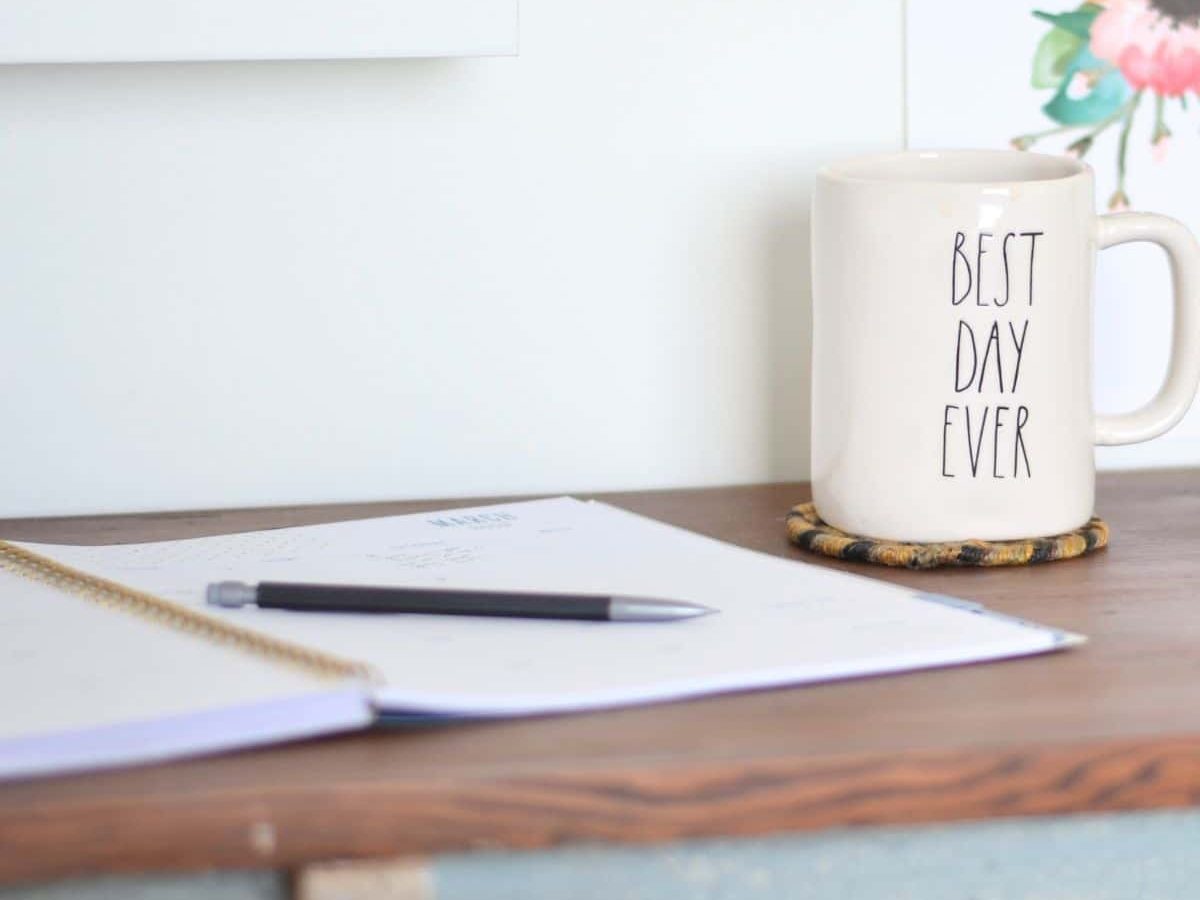
That steady habit helped me recently when I needed a rarely used bank card and a rebate check. A quick, focused search turned into an opportunity to finally tackle four overstuffed desk drawers I’d been ignoring. I emptied each drawer, spread papers out on the bed, and made swift decisions using a set of guiding questions. In a short time the drawers felt organized and I felt lighter—no dramatic overhaul required.
If paper clutter feels sticky for you, using clear questions can speed decisions and keep momentum. Below are practical guidelines and ten straightforward questions designed to help you sort papers efficiently and thoughtfully.
Before You Begin: Two Gentle Guidelines When Dealing with Paper Clutter
1. Work one drawer or one pile at a time.
Pulling everything out at once can be overwhelming. Focus on a single drawer or one stack so you can complete decisions and avoid creating chaos across the whole house.
2. Give yourself space to spread out.
Use a bed, dining table, or large cleared surface so you can sort into visible piles. Labeling simple piles—Keep, Recycle, Shred, Scan, Relocate—helps you see progress and stay focused.
The Ten Questions That Make Paper Sorting Decisions Easier
1. Do I need to keep this for income tax purposes?
Receipts, invoices, and records tied to income or deductions often require retention for several years. Rules vary by location, so check local tax guidance if you’re unsure. If a document is required for taxes, keep it in a clearly labeled folder.
2. Is this information still valuable or helpful to me right now?
Old notes, completed to‑do lists, and outdated information rarely need long-term storage. If a document doesn’t serve your current life, recycle it.
3. Have I been looking for this—and would I use it more if it lived somewhere else?
Sometimes the problem isn’t whether to keep an item but where it belongs. If relocating a paper to a more logical place would make you use it regularly, move it and establish a permanent home for it.
4. Is this a paper product I’ll actually use—or am I keeping it because it’s pretty?
Notebooks, pads, planners, and decorative stationery can accumulate quickly. Keep those you will use and let go of the ones that are merely nice to look at but never used.
5. Is this worth keeping for future reference?
Materials from courses, workshops, and useful manuals can be worth saving. Group these into a labeled “Reference” or “Courses” folder so they’re easy to find when needed, rather than letting them blend into general clutter.
6. Could this be stored digitally instead?
If a document is important but seldom accessed, scan it and store it in a sensible digital folder system. Digital copies can dramatically reduce physical clutter while preserving needed records.
7. Have I referenced this in the past year?
If you haven’t used a paper in the last 12 months and can’t imagine a clear reason you will, it’s likely safe to discard or digitize it. Be honest—most papers don’t earn a permanent spot.
8. Is this tied to a season of life that has passed?
Old planners, school handouts, and event programs are often sentimental but no longer useful. Keep a small curated selection if it matters, but clear the rest to make room for what matters today.
9. Would I know where to find this again if I needed it?
If you can’t locate something easily, either organize better or let it go. Papers that require a scavenger hunt tend to cause stress, not peace.
10. Does keeping this support the home and life I’m trying to create?
Use this final question as a filter: keep what contributes to clarity, calm, and usefulness; discard what adds stress or confusion. The goal is a home system that supports daily life—not one that stores unnecessary weight.
A Note on Junk Mail and Daily Paper Habits
Expired coupons, old newspapers, and obvious junk mail don’t need prolonged consideration—recycle them immediately. A good habit is to deal with mail the day it arrives: sort, recycle, shred, or file. Also, reduce incoming paper where you can by opting for digital billing and statements. Consistent small habits prevent paper from piling up.
Final Encouragement & More Paper & Office Organization Resources
Paper clutter often carries more mental weight than it seems. With a few guiding questions and quick decisions, you can transform an overwhelming drawer into an organized, usable space. Small, steady actions add up—one drawer at a time.
Further resource ideas to explore on your own: Paper Storage Ideas, Wrapping Paper Storage Ideas, Creative Home Office Setups, and Tips for Organizing Office Supplies in Bookcases. Use these topics as search terms when you’re ready to refine systems for storing paper, office supplies, and wrapping materials.
If you’re on a mission to get your home organized, a 30-day decluttering plan can be helpful. Create a simple daily checklist that focuses on one small area at a time to build momentum without burnout.
Pin this to remember it later!