
I’ve had countless conversations over the years about painting wood. They usually begin the same way:
“You’re going to paint over that nice wood???” — followed by dramatic gasps.
Maybe you’ve faced that reaction too, from a friend or family member who loves the look of natural wood. After thinking about it a lot and living with the results of my own projects, I’ve arrived at a few clear conclusions about when to paint and when to preserve wood.
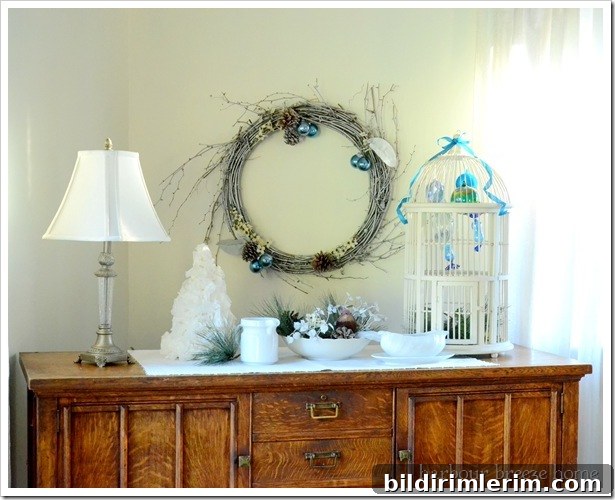
First, some pieces are simply off-limits for me. There are a few items I couldn’t even consider painting because of their memory, meaning, or the work that went into restoring them. Our dining room buffet is one of those treasures. It once stood in my childhood home in Montana and carries a lot of nostalgia; I want to keep it exactly as it is.
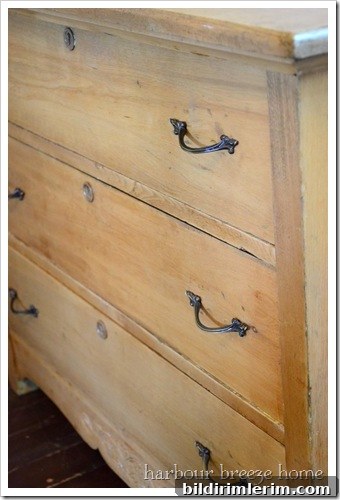
Another piece I wouldn’t paint is a small dresser in our bedroom. It was my first—and likely last—major refinishing project. I stripped off seven coats of paint and sanded for what felt like forever. After three years of work, I can’t bring myself to cover it with color again, even though I’m sure it would look nice painted. The time and effort invested made it feel finished and right just as it is.
Aside from those sentimental and lovingly restored pieces, I’d probably paint most of the wood in a house. If I moved into a home with solid oak kitchen cabinets, for example, I’d be tempted to paint them white—because I prefer the bright, timeless look of white cupboards. Ultimately, the decision often comes down to personal taste and how I want a space to feel.
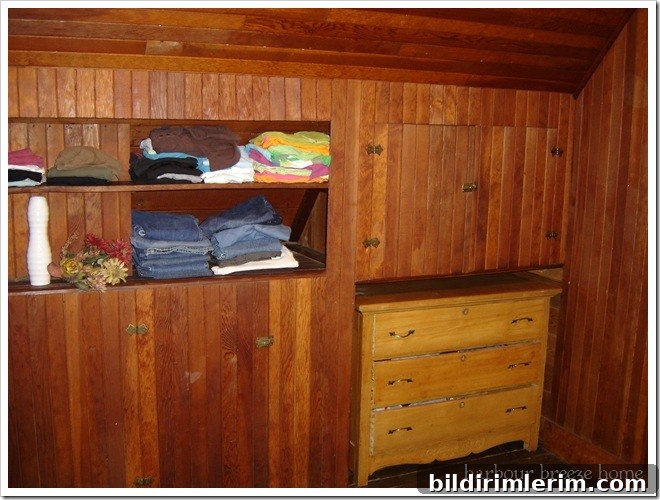
For me, atmosphere matters. I want rooms that feel both relaxed and cheerful. When we moved into our upstairs area, it didn’t feel that way at all: the spaces were small and lacked natural light. The combination of dark wood paneling and real fir boards made the whole upstairs feel heavy and a little gloomy. Size of the room and natural light are major factors when deciding between preserving dark wood and painting it—small, dim rooms often benefit more from a lighter palette.
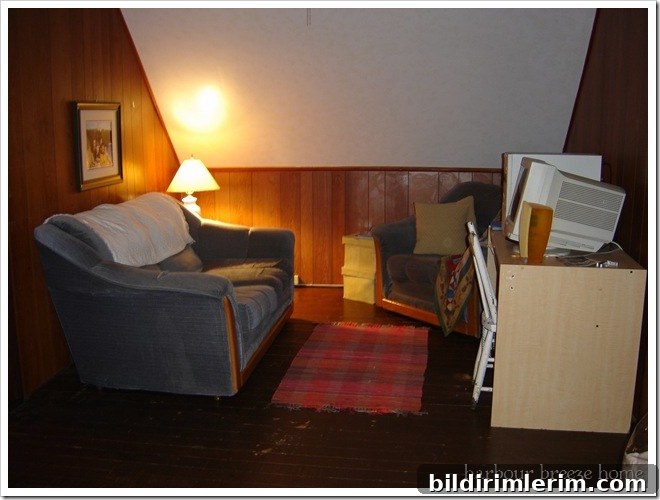
Some walls upstairs had 1970s-style paneling; others were planked fir. All together they created a heavy, dated feeling. I remember being a little scared the first time I rolled primer over a real fir board with a foam roller—the texture and grain felt sacred. But after seeing the transformation, I lost that hesitation. Painting brightened and cheered the space in a way that simply felt right for our home.
The landing was the first area I felt brave enough to update. Once it was painted, the space felt open, fresh, and welcoming—everything I wanted. That small success gave me the confidence to tackle other rooms and make choices that favored brightness and a cheerful atmosphere over preserving every patch of natural wood.
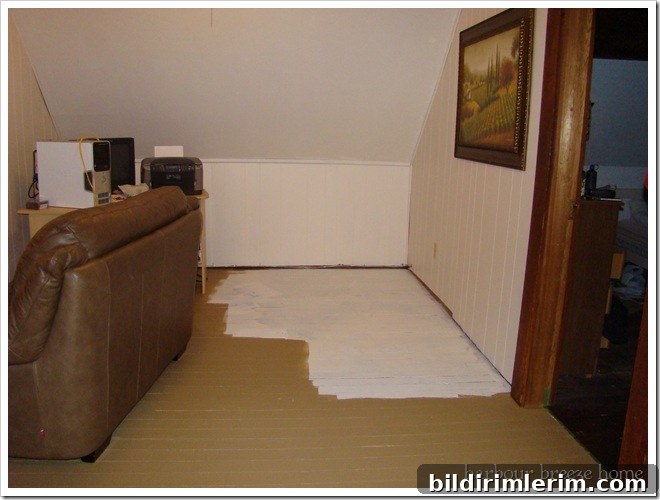
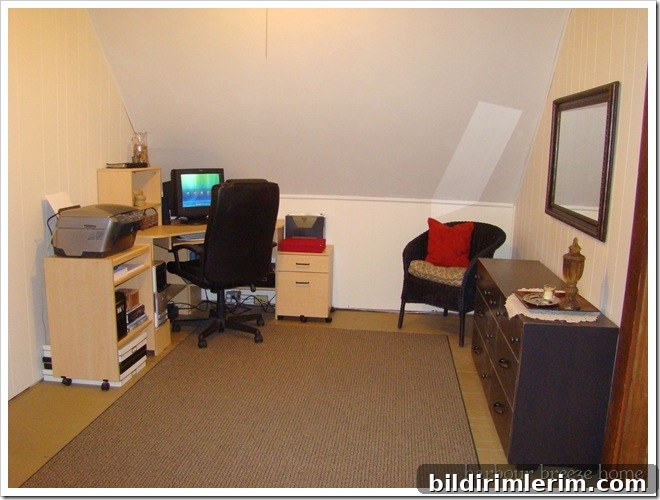
Choosing whether to paint wood depends on several practical and emotional considerations: sentimental value, the amount of work needed to restore the piece, how much natural light the room receives, the room’s size, and your personal aesthetic. If a piece holds strong memories or represents a major restoration effort, leaving it natural makes sense. If a room is small and dark, light paint can transform the mood and feel of the entire space.
In the end, it’s not about right or wrong—just what makes a home feel comfortable and true to you. For me, keeping a few irreplaceable pieces as-is and painting most of the rest has created a balance that feels both cozy and cheerful.