
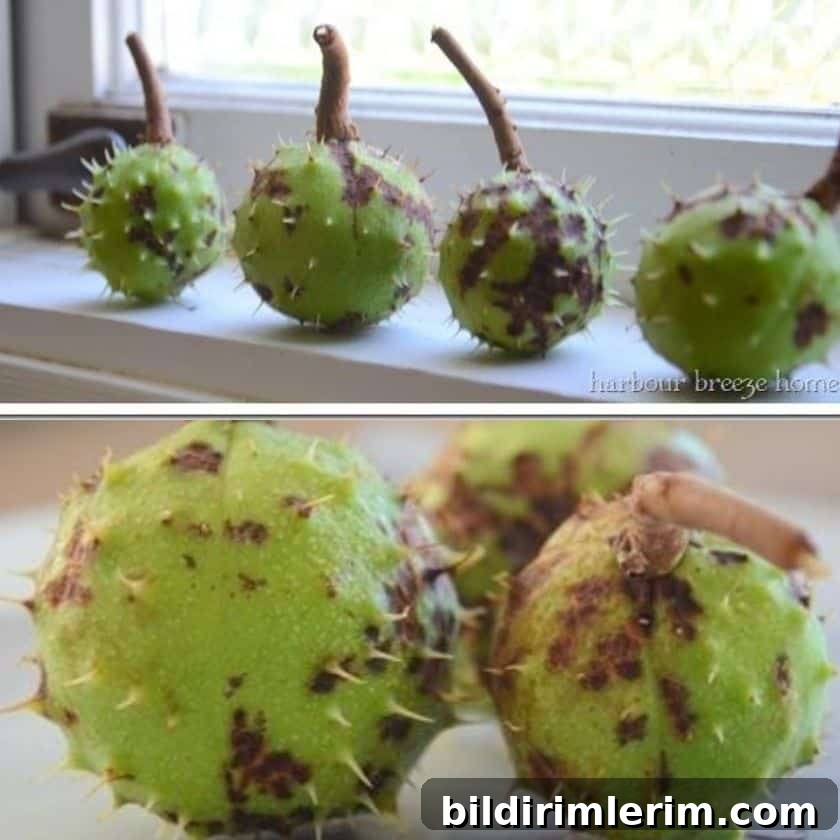
Horse chestnuts are a natural spider deterrent and double as seasonal decor.
I’m not the type to shriek and leap onto a chair when I see a spider, though I do find them an annoyance — especially when they start appearing inside the house in late summer and early fall. A few years ago a friend told me about a simple, natural deterrent I’ve used ever since: horse chestnuts.
What makes this trick especially appealing is that the chestnuts also make attractive autumn decorations, so you get both function and form.
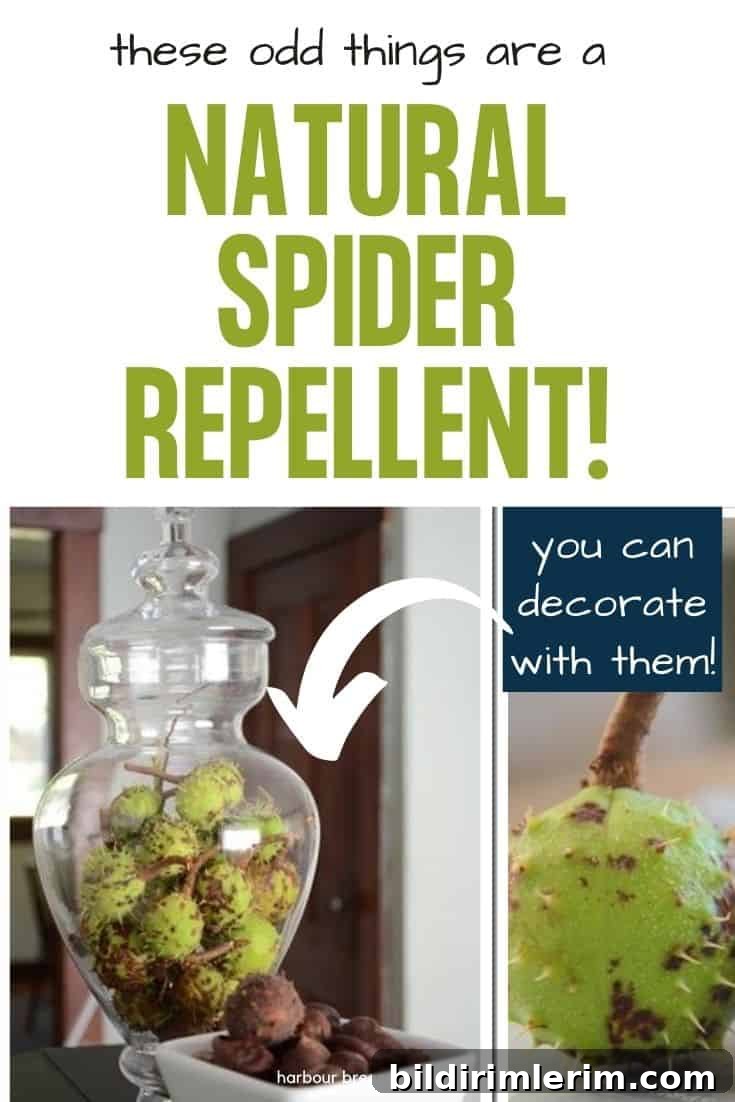
Use Horse Chestnuts as a Natural Spider Repellent
Set out horse chestnuts while they are still green for a colorful display.
Horse chestnuts — often called conkers in some regions — grow on trees and are easily recognizable by their glossy brown nuts and, when fresh, their spiky green husks. They are not edible and can be toxic to pets or people if ingested, so keep that in mind before placing them where children or animals could reach them.
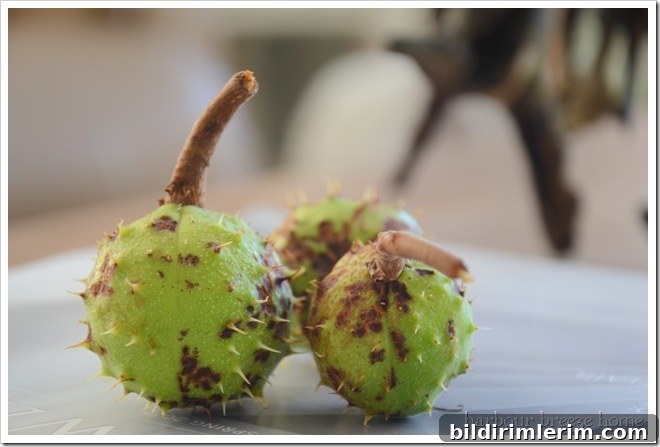
People have long used chestnuts as a home remedy to repel spiders, and while scientific evidence is limited, many homeowners report success. For me, placing chestnuts around the house in autumn coincides with fewer spiders appearing indoors. Because this is an anecdotal method rather than a proven scientific solution, results can vary.
The simplest approach is to collect a handful of chestnuts in the yard or nearby woods while the shells are still green and prickly. If you find them with the green outer husk intact, they add a lovely splash of seasonal color to windowsills and shelves.
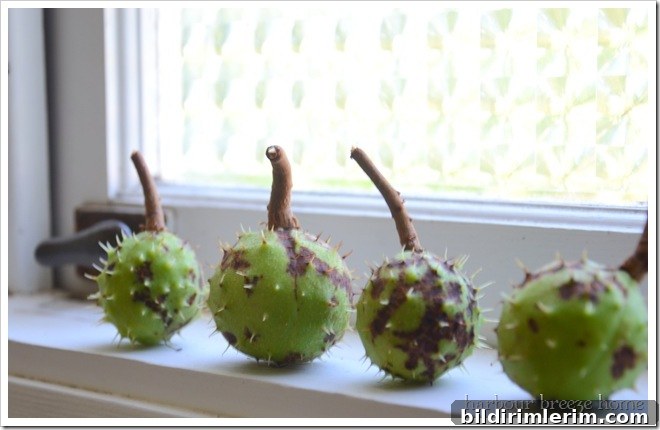
I like to line them up on bathroom windowsills, where spiders often appear first, and along baseboards or entry points. They look decorative in the light and give a subtle, natural touch to seasonal decor.
After the green shell falls off, the brown nut still works and looks great in bowls or jars.
As horse chestnuts dry, the outer shell splits and falls away, leaving the shiny brown nut inside. These polished nuts make attractive displays in bowls, platters, or glass jars and still serve as a natural repellent, according to many who use them.
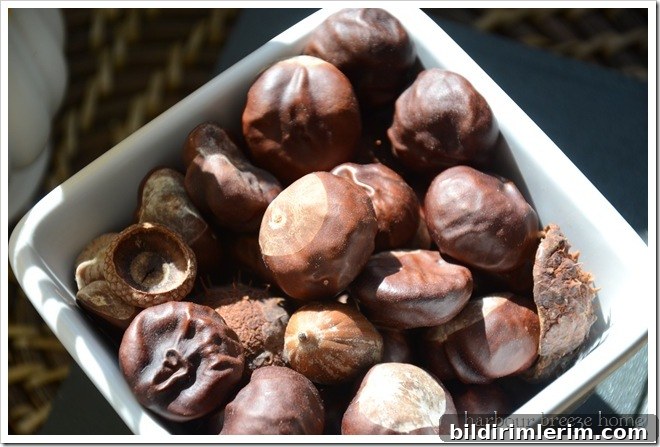
Try arranging a cluster on a decorative tray with a candle in the center for an inviting fall vignette, or place several in clear jars for a rustic, low-effort centerpiece.
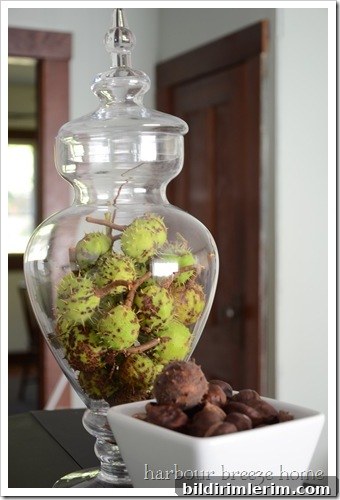
If you don’t have access to a tree that produces chestnuts, you might occasionally find them at farmers’ markets, craft fairs, or seasonal produce stands, but availability varies by region. Always confirm that the nuts you collect are indeed horse chestnuts and not an edible variety, and avoid using them where they can be eaten by curious children or pets.
Practical tips and fall decor ideas
- Place chestnuts on windowsills, in bathrooms, and near entry points where spiders tend to enter.
- Display polished brown chestnuts in bowls or jars for low-maintenance autumn decor.
- Combine chestnuts with candles, dried leaves, or small pumpkins for seasonal centerpieces.
- Label or place chestnuts out of reach if you have pets or small children to prevent accidental ingestion.
- Rotate or replace chestnuts that become moldy or damaged to keep displays fresh and safe.
Disclaimer: I’m not a scientist and don’t have laboratory proof that horse chestnuts repel spiders. This method is based on personal experience and anecdotal reports from other homeowners. It has worked for me, but results will vary and are not guaranteed.
If you’re looking for natural, attractive ways to reduce spiders in your home this season, horse chestnuts are a simple, inexpensive option worth trying — especially if you enjoy a bit of rustic fall decor alongside a potential pest-control benefit.