
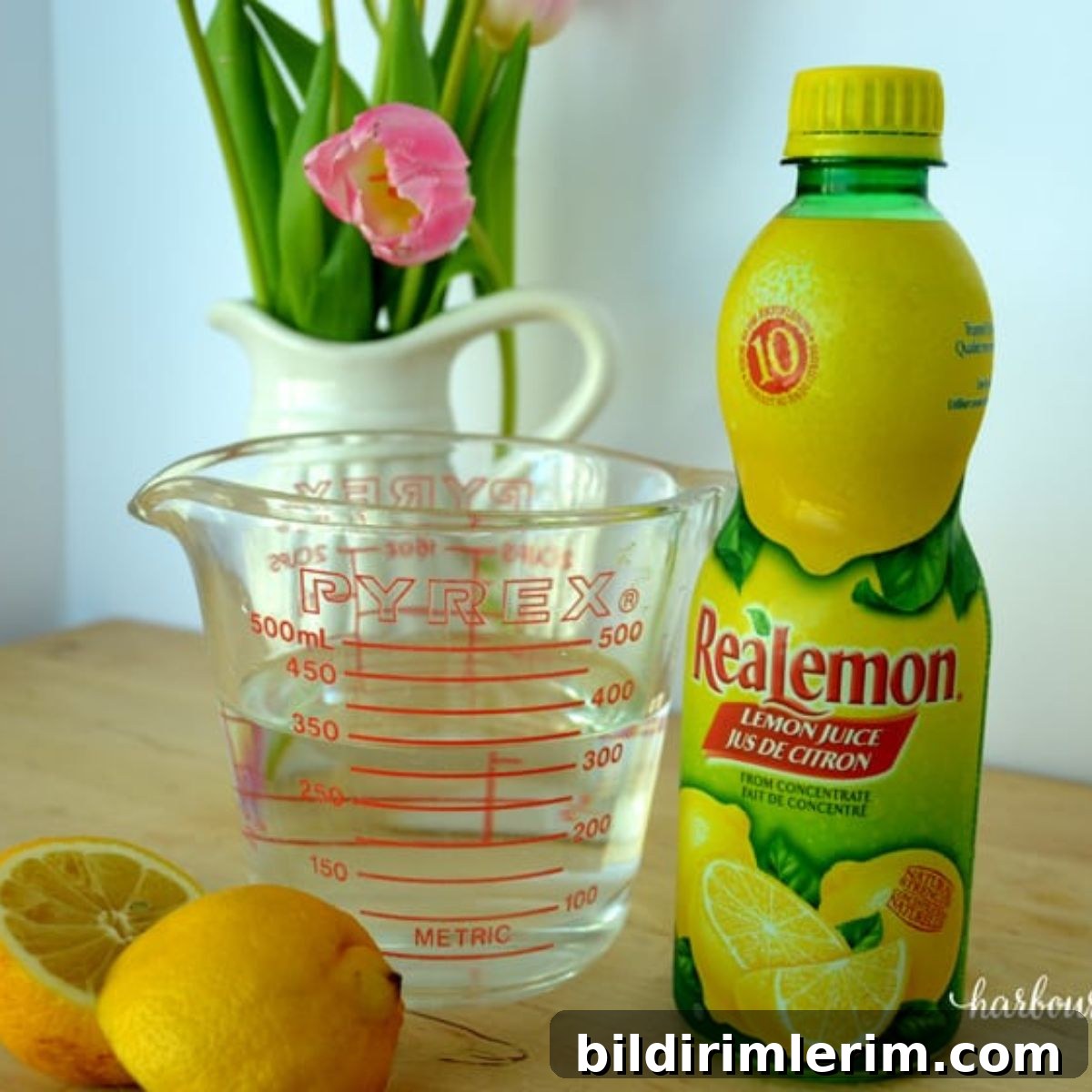
These three easy, budget-friendly homemade cleaner recipes make tidying quick and effective, leaving your home smelling fresh. They use common ingredients and work on many surfaces when used properly.
Keeping a tidy kitchen and bathroom doesn’t require harsh chemicals or expensive commercial products. Over time I’ve refined a few reliable DIY cleaners that are simple to mix, economical, and very effective for everyday messes. Below are three favorites, plus practical tips for use, storage, and safety so you get the best results without surprises.
1. DIY All-Purpose Cleaner (Great for Grease & Grime)
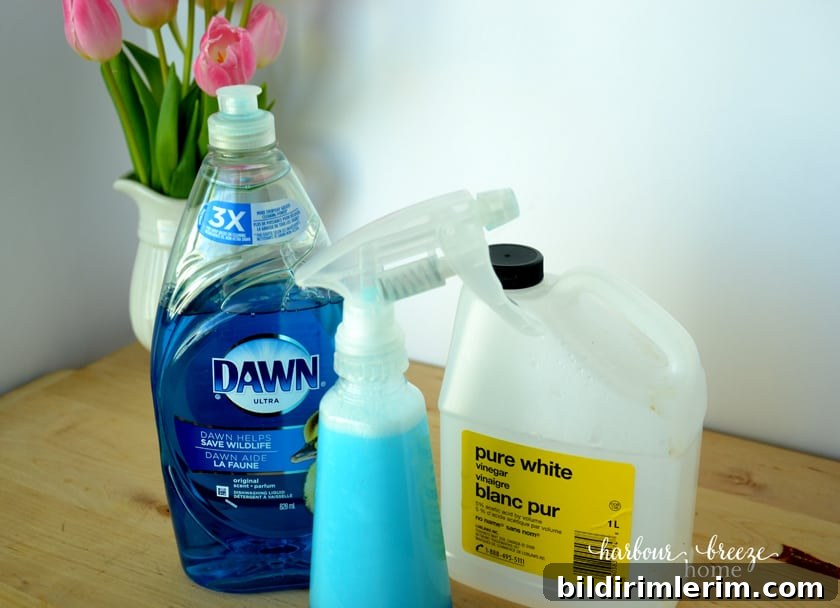
This simple all-purpose spray combines a grease-cutting dish detergent with vinegar to remove grime from cabinets, countertops, stovetops and many bathroom surfaces. It’s especially useful where light degreasing and disinfecting are needed. The scent is tangy while wet but dissipates as surfaces dry.
What You’ll Need:
- 1 part (blue) Dawn dish detergent or similar grease-fighting dish soap
- 1 part white vinegar
- Clean spray bottle
How to Use It:
- Combine equal parts dish soap and white vinegar in a spray bottle and gently invert to mix. Avoid excessive foaming when shaking.
- Spray on greasy or stained surfaces and let sit 1–2 minutes for heavy buildup.
- Wipe with a damp cloth, sponge or microfibre towel and buff dry for a streak-free finish.
Safety & Surface Tips: Test on an inconspicuous area first. Do not use vinegar-based solutions on natural stone (marble, granite, travertine) because the acid can dull or etch the surface. Rinse surfaces well when needed and avoid mixing this cleaner with bleach or other chemicals.
2. “The Bomb” Cleaner (Perfect for Sinks & Stubborn Stains)
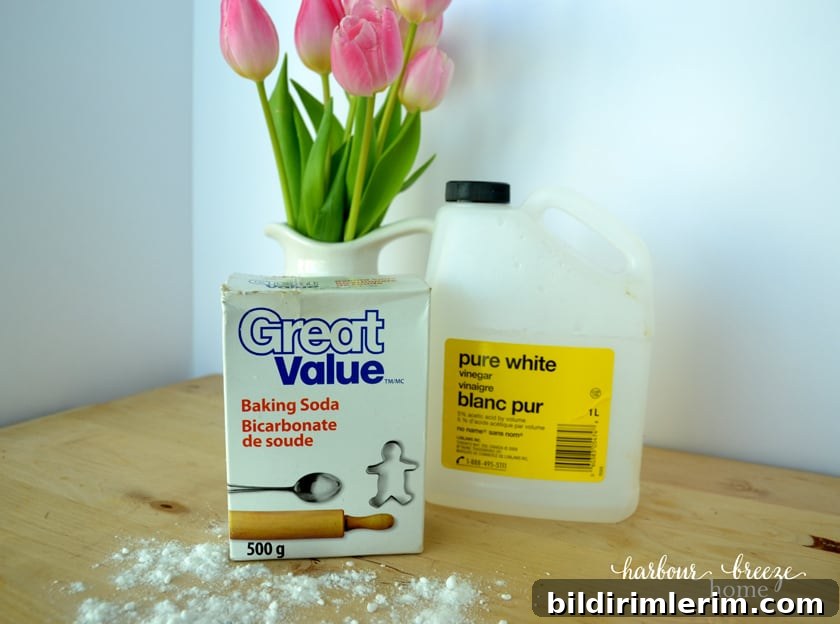
Baking soda and white vinegar react to lift stuck-on grime and neutralize odors. This fizzing combination is ideal for stainless-steel sinks, stove drip pans, and heavily soiled surfaces that need some mechanical action combined with a mild abrasive.
What You’ll Need:
- Baking soda (sodium bicarbonate)
- White vinegar
How to Use It:
- Sprinkle a generous layer of baking soda over the area to be cleaned.
- Pour or spray a small amount of white vinegar on top and let the mixture fizz for about a minute.
- Scrub with a sponge, brush or cloth, then rinse thoroughly with warm water.
Why It Works: The chemical reaction loosens debris while baking soda provides gentle scrubbing power and deodorizing action. It’s excellent for restoring shine to sinks and freshening cutting boards, but avoid using abrasive scrubbing on delicate finishes.
3. The Lemon Steamer (For a Fresh & Clean Microwave)
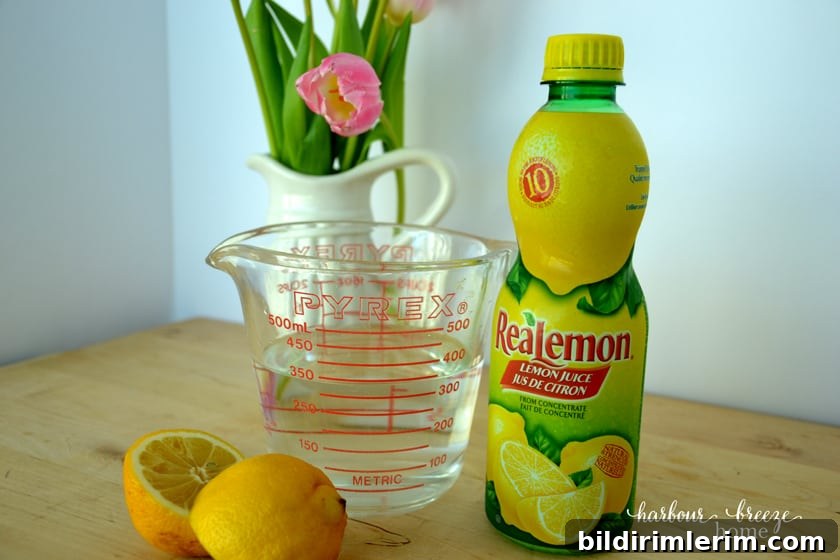
Microwave splatters soften and lift when exposed to hot citrus steam. This method loosens food residue and leaves a pleasant citrus scent, making wiping much easier and faster.
What You’ll Need:
- 1 cup water
- Juice of half a lemon or several lemon slices
- Microwave-safe bowl or measuring cup
How to Use It:
- Place water and lemon juice or slices in a microwave-safe container.
- Heat on high for 2–3 minutes, until the water boils and creates steam.
- Keep the door closed for an additional minute to let the steam loosen dried food.
- Carefully remove the bowl and wipe the interior with a damp cloth or sponge. For stubborn spots, dip the cloth in the warm lemon water and scrub gently.
Extra Uses for Lemon:
- Shine Your Sink: Rub a lemon half over the sink surface to help remove water spots and add shine.
- Deodorize a Garbage Disposal: Run a few lemon peels through the disposal with cold water to neutralize odors.
More Cleaning Tips for Your Home
- Best cleaner for glass shower doors: use a vinegar-based spray on glass (test first) and buff dry with a microfiber cloth.
- Bathroom tile and grout cleaning: use a paste of baking soda and water for grout, scrub gently and rinse well.
- How to clean an electric stovetop: apply a baking soda paste to cool surfaces, let sit, then wipe and polish.
- How to clean wooden blinds: dust regularly with a microfiber cloth and use a slightly damp cloth for stubborn marks.
Storage, Frequency & Final Notes
Store homemade cleaners in clearly labeled containers and keep them out of reach of children and pets. Most spray cleaners are good for several weeks; give bottles a quick shake before each use. Wear gloves if you have sensitive skin, ventilate the area when working with strong odors, and never mix cleaners with bleach unless the product label specifically allows it. Regular maintenance—wiping spills promptly and cleaning high-traffic areas weekly—keeps surfaces looking their best with minimal effort.
Pin this to Remember it Later!
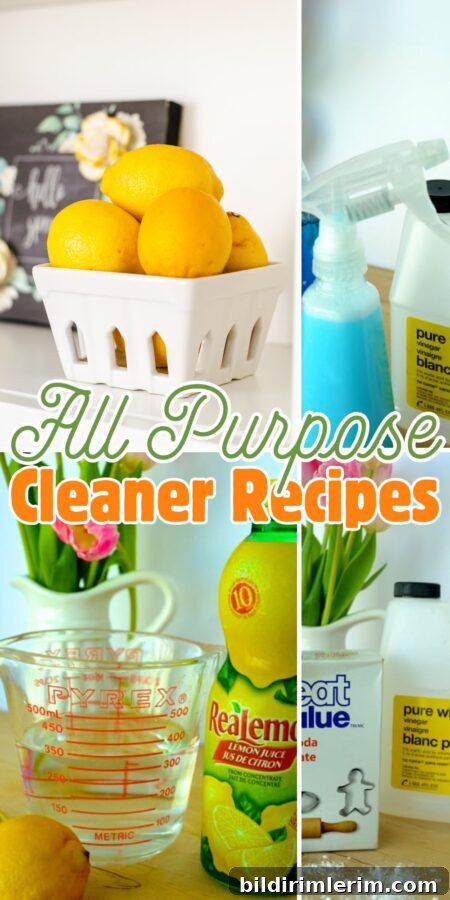
Use these simple, natural recipes to keep your kitchen and bathroom fresh and clean without relying on expensive products. With a few basic ingredients and small safety precautions, homemade cleaners can be an effective, eco-friendly part of your regular cleaning routine.