
I’ve experienced unusual health issues since I was a thin sixth grader. For years the symptoms felt like disconnected puzzle pieces; only about four years ago did they finally come together when I was diagnosed with fibromyalgia. Hearing that diagnosis was a relief—far better than the frightening conclusions I had imagined for myself.
The months after the diagnosis were difficult. I tried to navigate a flood of information and advice about a condition I barely understood, all while coping with relentless physical pain and medication fog. Gradually, though, I learned more about fibromyalgia, about my own limits, and about how to live comfortably and mostly pain-free with a minimal reliance on medication. That progress has been a profound blessing, and I am deeply grateful.
Over time I’ve even come to regard my diagnosis as a kind of gift. That may sound odd, but it has helped reshape how I approach life and responsibility. In my role as the camp director’s wife, I often feel the pressure to be perfect: to mentor, to support, to radiate warmth, and to fix every problem that appears. I tend to assume others expect a lot from me, and I pile on expectations of myself. Those impulses are familiar—perhaps similar to what a pastor’s spouse might experience—and they can be exhausting.
Fibromyalgia has given me permission to let go of much of that guilt. It has made God’s boundaries painfully clear: there are times when it’s okay to sit down and rest. When my spine feels like a fuse of fire, when my head hums with strange tingling, and my muscles act like jelly, staying away from loud, crowded events is the wisest choice. Rest becomes not a failure but a necessary part of care.
This week is one of those quiet weeks. While our camp is lively with a full family program, my husband has generously answered many, “Where’s your wife?” questions. I no longer feel embarrassed to say I can’t do it all. In fact, embracing rest has allowed me to enjoy simple pleasures I might otherwise have missed.
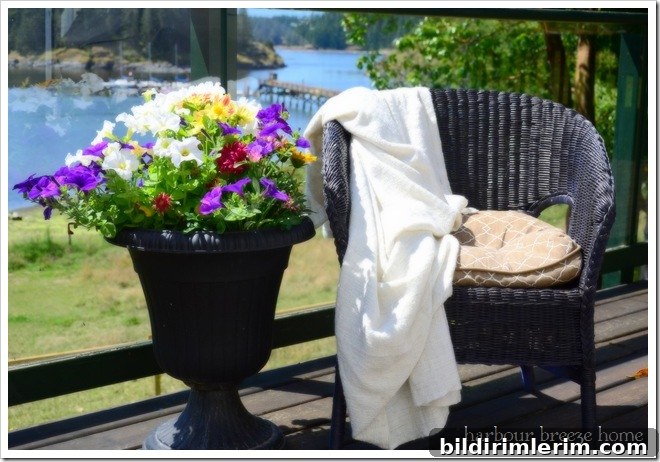
Instead of trying to keep pace with every event, I’ve been curled up on the couch under a polyester quilt, taking naps, reading, and soaking up sunshine when it felt right. I’ve discovered that a slower rhythm can be joyful: short walks on the deck, picking pansies, sharing ginger ale and heartfelt conversations with friends. Those small, restorative moments have turned what could have been a frustrating week into a deeply satisfying one.
Part of living well with chronic illness is planning: pacing activities, prioritizing what matters most, and allowing myself the grace to rest without guilt. I’m practicing this now because in a few short days I’ll be traveling to Montana to visit family. I want to arrive rested and able to enjoy time with loved ones, so honoring my body’s needs in the days leading up to the trip is both practical and compassionate.
If things are quieter here for a little while, that’s why. I do plan to take my camera, and I may check in from time to time with a few photos and reflections. Otherwise, I’ll share highlights and stories when I return.
To anyone reading who struggles with chronic pain or unexpected limits: it’s okay to slow down. Rest is not weakness; it’s a strategy for sustaining the life and relationships you care about. Don’t let guilt push you into overdoing it. Allow yourself to sit, to breathe, and to receive care from others when you need it.
Blessings to you today. It’s all right to sit down for a while—you don’t have to carry every burden alone. 