I’ve been working quietly on a new project, and I’ve just finished it. I’m thrilled to share it with you.
While setting up my Etsy shop a few weeks ago, I spent a lot of time searching for answers online. I had technical questions, of course, but also practical ones — like where do people store finished craft items, and how do they organize inventory at home? What I really wanted was the chance to sit around a kitchen table by the ocean and talk through Etsy and small-business life with fellow bloggers who’ve been through it.
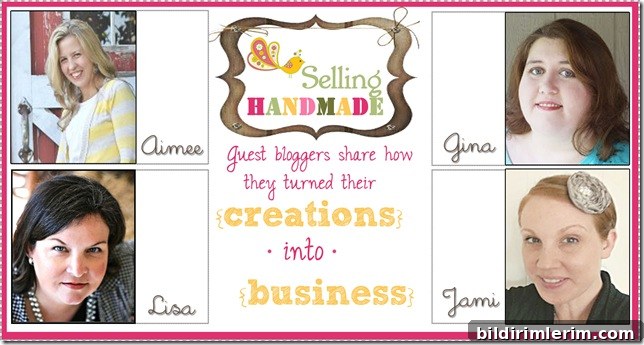
That idea grew into something I couldn’t ignore. I reached out to a few bloggers I admire, and several generously agreed to help. I’m excited to announce a special week-long series here at Harbour Breeze that begins next Monday, March 26th. Over seven days, four talented bloggers—three I’ve long admired and one I recently met and already admire—will answer the practical, behind-the-scenes questions I had about selling handmade items online.
Bird graphic used with permission from Heidi of Sewing Daisies.
The contributors for this series are Jami from Freckled Laundry, Gina from Shabby Creek Cottage, Aimee from My Pink Life, and Lisa from The Pennington Point. Each of them took time from their busy schedules to answer specific questions about creating and running an online handmade business. Their perspectives cover a broad range of topics every maker faces when moving from hobby to shop owner.
Here’s the class schedule and what you can expect each day. Whether you’re already selling online, thinking about it, or simply curious about the process, these conversations are practical and encouraging.
Day 1: “Meet the Teachers” — Four bloggers share their handmade-business stories
We’ll start with introductions and personal journeys: how each maker began selling, the steps they took to build an online presence, and the lessons they wish they’d known early on. These stories provide context and inspiration for anyone considering a handmade business or scaling an existing shop.
Day 2: “Product Branding” — Graphic design, logos, and store banners
Branding helps customers recognize and remember your shop. On Day 2 we’ll cover visual identity, choosing colors and fonts, designing a banner and logo that reflect your product line, and simple tools for creating consistent branding across your shop, listings, and social media.
Day 3: “Organizing a Workspace” — How to stay productive when you live where you work
Working from home presents unique challenges. Expect practical advice on organizing tools and supplies, creating dedicated work zones, managing inventory and storage, and keeping a functional workflow that reduces stress and increases efficiency—especially when your living space doubles as your studio.
Day 4: “Presenting Your Product” — Tips for photographing and writing listings
Great product photos and clear listings are essential for selling online. The experts will share lighting tips, staging ideas, and simple photo-editing tricks, along with copywriting tips that highlight features, materials, and care instructions so shoppers feel confident making a purchase.
Day 5: “Wrapping Up a Sale” — Packaging, labeling, and shipping strategies
Packaging is part of the customer experience. This session focuses on efficient packaging workflows, attractive and protective presentation, shipping cost considerations, labeling best practices, and ways to make your unboxing memorable while keeping costs reasonable.
Day 6: “Promoting Your Shop” — Marketing, social media, and getting the word out
Promotion is about connecting with the right people. We’ll discuss strategies for social media, blogging, collaborations, and basic SEO for your listings. You’ll hear ideas for building an audience over time without burning out on constant self-promotion.
Day 7: “Balancing It All” — Time management and multitasking for makers
Finally, we’ll address the ongoing challenge of balancing creative work, business tasks, family, and self-care. The bloggers will share routines, scheduling tips, and realistic ways to protect creative time while keeping the shop running smoothly.
I hope you’ll grab a cup of coffee and join us each day for this mini series. I learned so much from their answers, and their honesty and practical tips renewed my motivation. Even if you don’t sell handmade items online, these conversations offer valuable insights into branding, organization, photography, packaging, promotion, and managing a small creative business.
See you Monday—and feel free to invite friends who might enjoy the series. I’ll have the coffee ready.