I remember it like it was yesterday. I was at the front desk of our local library checking out an embarrassingly large stack of books — every single one had the word “clean” in the title.
The kind librarian smiled and asked, “Are you starting a cleaning company?”
No — far from it. I was a desperate housewife long before any TV version of the phrase existed.
At the time I had three little boys and was struggling to stay on top of the house. Those were wonderful, exhausting days full of toys, snacks, and constant motion. No matter how often I cleaned, the house always seemed messy. My messy house made me feel like a mess.

I became a woman on a mission: how to clean the house as efficiently as humanly possible. Hence the mile-high stack of library books. I loved the research. I discovered I wasn’t alone — many parents feel overwhelmed by housekeeping — and there were practical, step-by-step strategies for making cleaning faster and less stressful.
One helpful resource came from the founder of a professional cleaning company. Think about it: a hired cleaner can come in once a week and have a house looking presentable in an hour or two. My goal was to figure out how to use similar speed-cleaning techniques on my own schedule.
Back then my husband would take the boys to the park once a week and I would race through the house, testing ideas I’d read about. Those three little boys are teenagers now, but many of those early speed-cleaning habits stuck with me — especially when guests are coming.
Here are the practical, realistic quick cleaning tips that helped me then and still work today. These are focused on efficiency, decluttering, and creating a cleaning routine that gets results without burning you out.
1. Get dressed for success: How you dress affects your mindset. For some people it’s about a neat apron or a pair of comfortable sneakers; for me, it’s showering, fixing my hair, and wearing something casual but put-together. When I’m in pajamas with messy hair, I’m far more likely to sit down with a book than attack the cleaning list. Dressing in a way that makes you feel alert and capable helps you move faster and stay motivated.

2. Set specific, achievable goals: Before you begin, decide exactly what you’ll accomplish. Is your goal one room, the main living areas, or the whole house? Break larger tasks into stages and create a simple plan. For example: clear surfaces, pick up clutter, wipe down counters, vacuum. Clear objectives keep you focused and prevent endless wandering between tasks.

3. Move quickly and set time limits: Once you have a plan, work with energy. Play upbeat music, set a timer, and challenge yourself with short, focused bursts. I often set an unrealistically short time goal and find I accomplish far more than expected. Small wins — like making the bed in three minutes — build momentum and keep the cleaning session productive. This is the essence of speed cleaning: prioritize visible surfaces and high-traffic areas first.

4. Finish one area before starting another: This is probably the most important rule. Don’t be tempted to start a new task before completing the current one. If you carry a book from the kitchen to the living room, don’t begin reorganizing the bookshelf until the kitchen is finished. Switching tasks constantly creates a cycle of half-done chores and wasted time. Finishing each area leads to visible progress and a real sense of accomplishment.
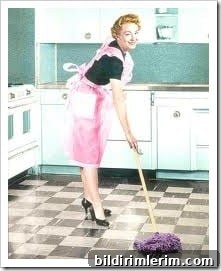
5. Be realistic and choose “clean enough” when appropriate: Don’t expect to scrub every corner on a tight schedule. There’s a difference between deep cleaning and fast maintenance. Many cleaning guides offer both a thorough method and a “clean enough” shortcut that gets your home presentable without spending hours. My aim is a lived-in, tidy home — not a museum. If company is coming, a quick round of decluttering, wiping surfaces, and freshening textiles often does the trick.
I like the idea of keeping your house generally company-ready, but I’ll be honest: if you want to see my home in perfect shape on short notice, please call ahead. That warning gives me the time to apply these speed-cleaning tactics and achieve a polished, welcoming result.
These strategies — dressing for success, setting clear goals, working with a time limit, finishing one area at a time, and being realistic about what needs doing — form a simple, effective cleaning routine. They save time, reduce stress, and help you maintain a comfortable, livable home without endless labor.
I’ll be using some or all of these tricks any time guests arrive unexpectedly