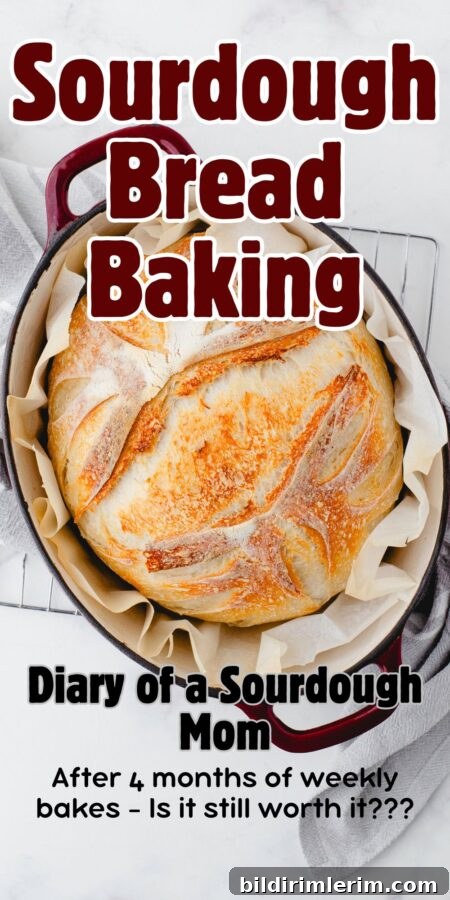
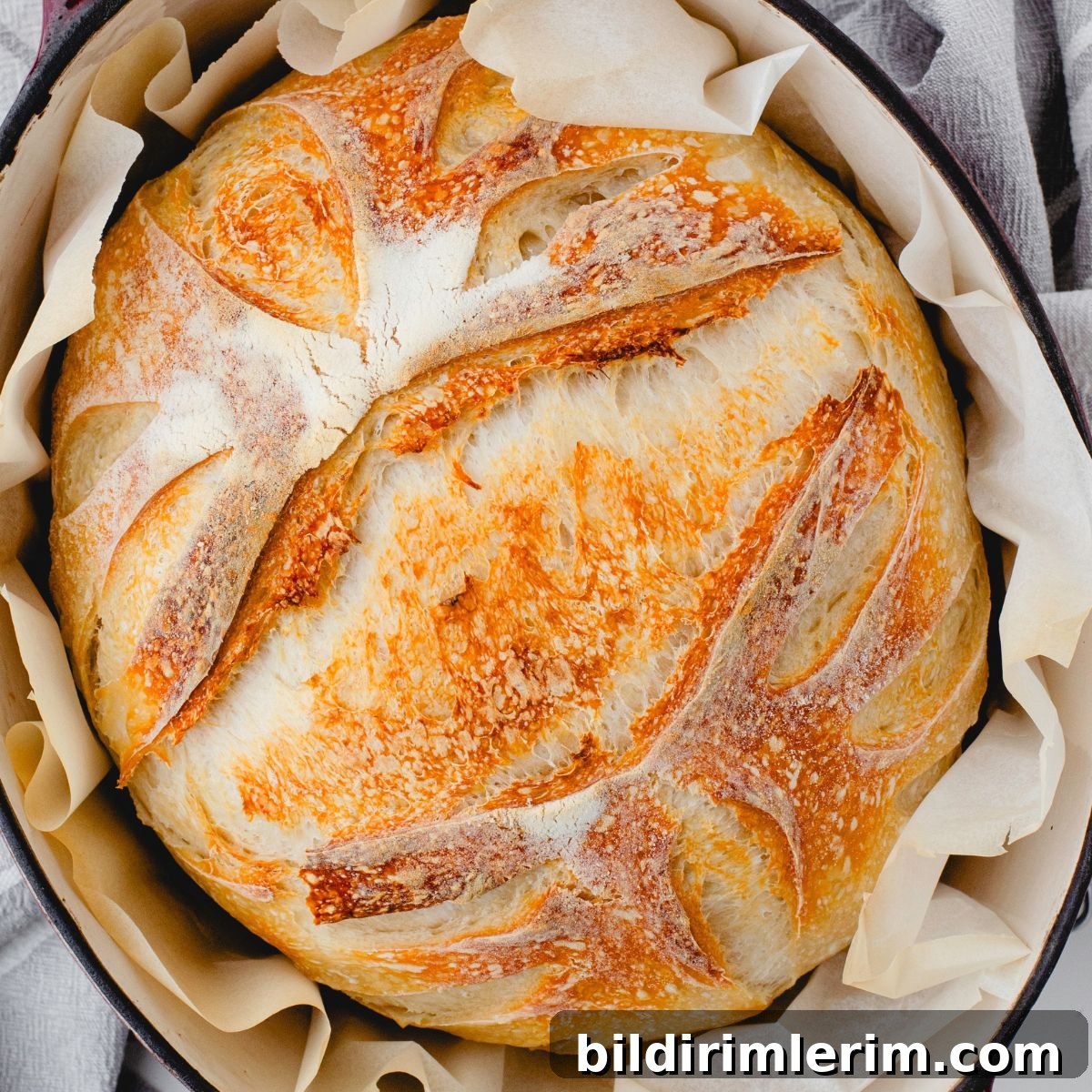
My sourdough bread baking journey began with curiosity and has become a weekly delight. Four months in, here are nine reasons I’m still baking—and learning—each week.
This morning, while the house was still quiet and the sky was turning blue, I padded into the kitchen to feed my sourdough starter. As I measured, poured, and whisked, I found myself smiling at how this simple ritual has become part of my routine.
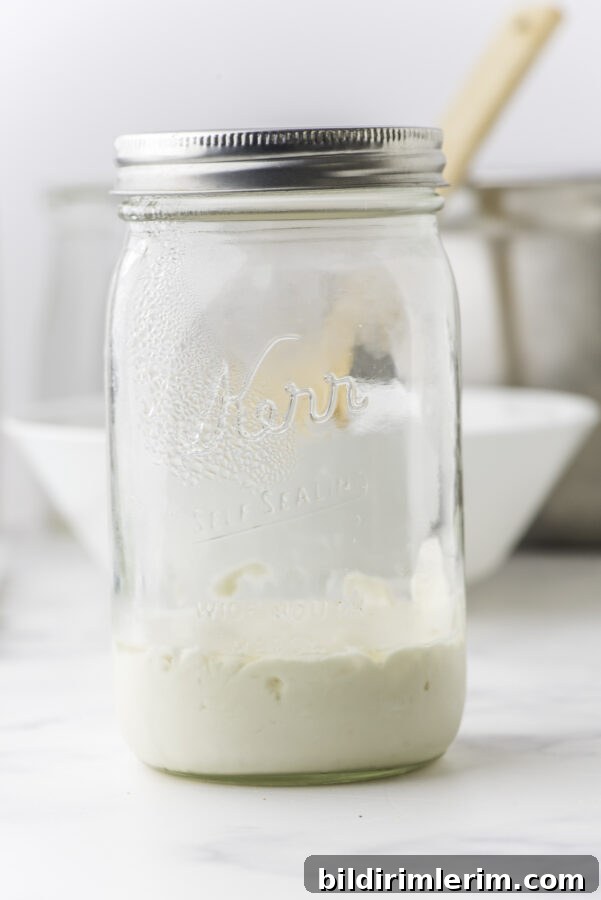
If you’d asked me years ago whether I’d bake bread every week, I would have laughed. Yet here I am—baking bread every single week and genuinely enjoying the process.
I expected my impatience to get the better of me, but four months after starting a sourdough starter with a friend’s help, this ritual has stuck.
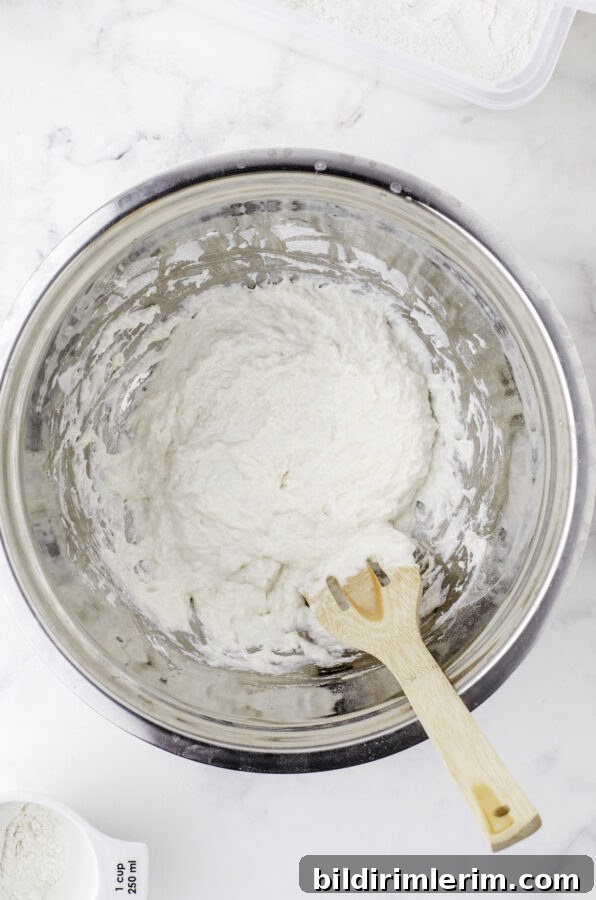
As I covered the fed starter with plastic wrap and a towel, I thought about how my husband once mentioned his mother baked homemade bread every week. At the time, I couldn’t imagine that kind of commitment.
I asked my mom to teach me long ago, and even though I don’t recall all of her lessons—wedding planning distracted me—I did try many batches of buns over the years. But sourdough was new territory until my friend encouraged me to try it.
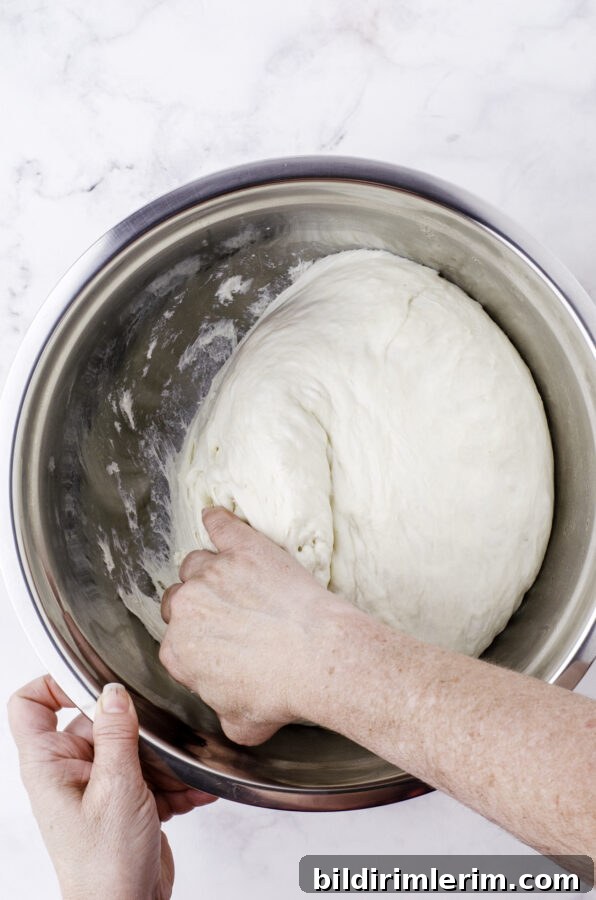
Now, after several loaves and a few mistakes, I can reflect on what I love about sourdough and why it has become part of our household rhythm.
Here are nine reasons sourdough baking has stuck with me at the four-month mark.
9 Reasons Why I Love Baking Sourdough Bread
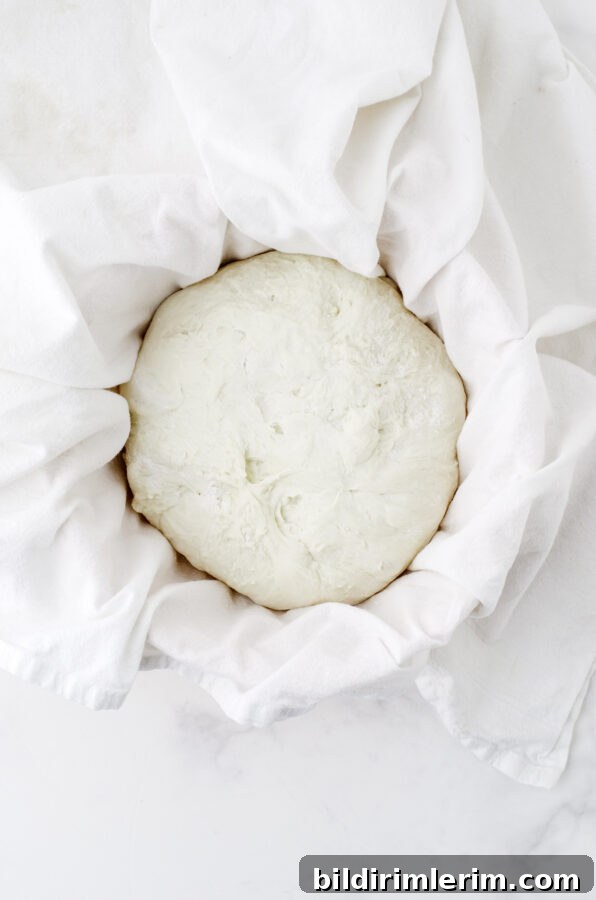
- Baking weekly becomes a satisfying routine. Learning sourdough takes patience, but once you get into a rhythm, feeding the starter and scheduling the rises becomes a comforting weekly habit.
- The schedule is flexible. Sourdough’s fermentation timeline can be adjusted to fit your life. My friend shared a reliable timeline I initially followed, but now I tweak proofing and bulk ferment times to match our plans—early mornings, late nights, and everything in between.
- The flavor and texture are exceptional. Sourdough develops a crisp crust and a soft, moist crumb that store-bought loaves rarely match. Guests and family often prefer it over commercial bread—the crunch and tang are addictive.
- Starter is versatile. Besides classic loaves, sourdough starter can be used in muffins, quick breads, and even brownies for a deeper, more complex flavor. Baking with starter makes treats taste wholesome and rustic.
- It’s economical. Basic sourdough requires flour, water, and salt. One bag of flour yields many loaves, and making bread at home can reduce grocery costs while giving you fresher results.
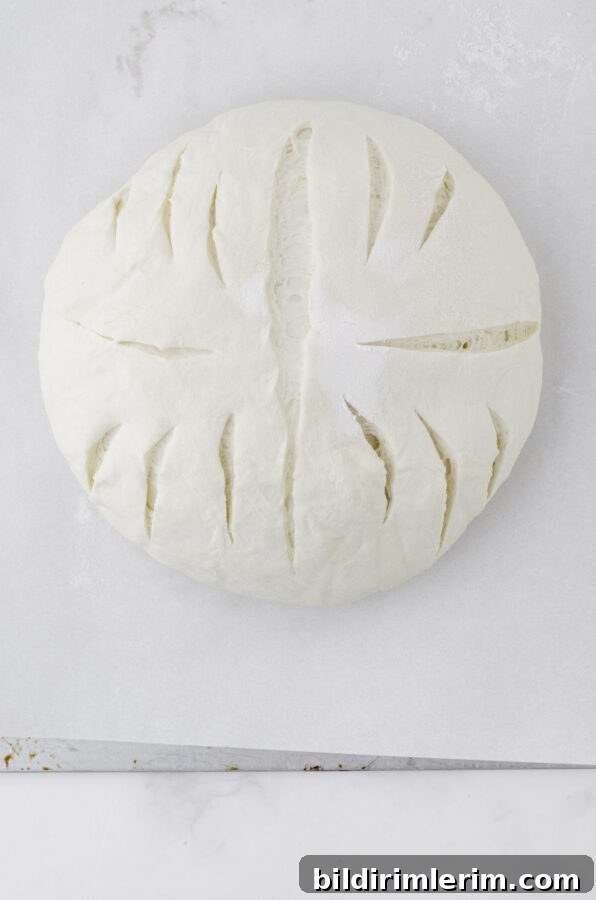
- Special equipment is optional. You don’t need fancy tools to start—just a bowl, a Dutch oven or oven-safe pot, and a good spatula. Over time I added a Danish whisk for mixing, a bread lame for cleaner scoring, and eventually a silicone mat to reduce parchment use. These tools are helpful, but not essential.
- It can be gentler on some stomachs. While I’m not a nutritionist, I’ve noticed sourdough sits better with my digestion than some other breads. The long fermentation can change the bread’s character; as always, check sources and consult professionals for health advice.
- Beginners can start without being experts. Sourdough is a living culture and learning it is an experiment. Starters behave differently depending on water, flour, temperature, and humidity, so expect variation. Don’t let perfectionism stop you—taste and practice matter more than being “technically right.”
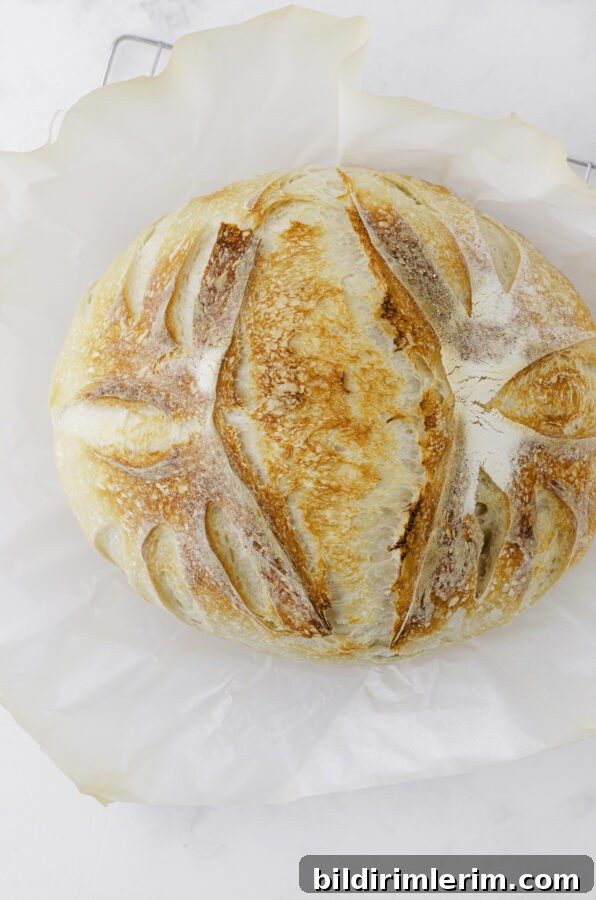
Even when my crumb isn’t perfect or the holes aren’t ideal, my husband’s response is always the same: “I don’t care if it’s ‘right’—it tastes great.” That’s my main measure of success.
So, whether you’re driven by flavor, economy, or the simple pleasure of baking, sourdough offers a rewarding combination of craft and comfort.
Shop My Favorite Sourdough Bread Baking Tools
Disclosure: I am an Amazon affiliate and have collected a few tools that I find useful as my interest in sourdough grew.
You don’t need to buy equipment to begin, but if you’re curious, I keep lists of tools I like in my Amazon storefronts for USA and Canada (search for “sourdoughtools” on Amazon to find these selections).
Question for you:
Have you ever started learning something reluctantly and ended up loving it? I’d love to hear your story—please share in the comments.
Pin it for Later