DIY Rustic Doorpost Sign for an Entryway Gallery Wall
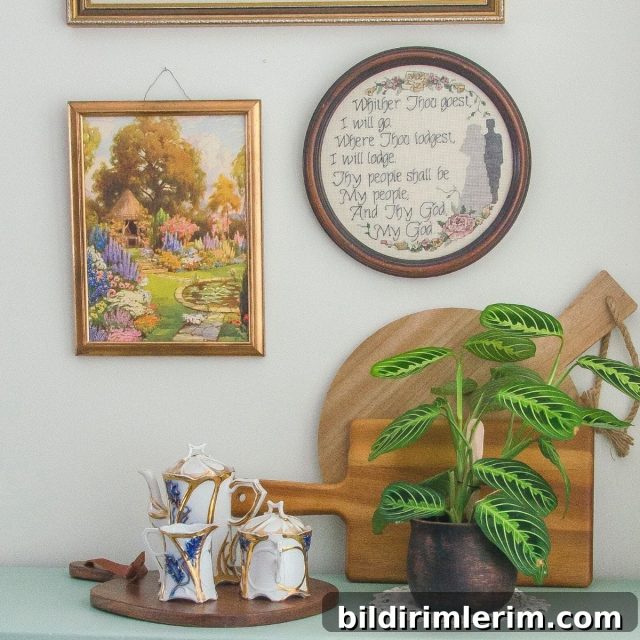
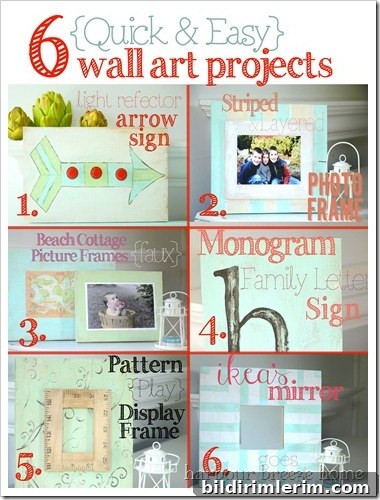
Over the past few days I shared six different wall art projects used to create our entryway gallery wall. Each piece added texture and personality, but my favorite was the large rustic sign I made to hang above the doorway into the dining room. It helped balance the space and became a meaningful focal point for the entry.
The sign began as reclaimed boards I rescued from a carpenter shop dumpster. They were grimy and covered with many layers of old paint—exactly the kind of material I like for coastal-rustic projects. After a thorough cleaning, I moved the boards outdoors and sanded them with a random orbital sander to create a stable surface and to remove loose paint. Because I wasn’t sure what kind of paint was on the boards, sanding outside ensured good ventilation.
Before assembling the boards, I painted each plank separately. I alternated tones—an aqua blue on some boards and a whitewashed treatment over yellowed boards on others—to create a weathered, layered effect. Once the paint dried, I applied stain to the sides and faces of the boards, taking care to avoid the inner edges where glue would be applied. Fresh glue adheres best to raw wood, so I left the mating surfaces free of finish.
To assemble the sign, I glued the boards edge to edge with quality wood glue, clamped them tightly, and let them cure overnight. For extra strength on a large piece like this, I also added three strapping boards across the back and secured them with nails. The result was a sturdy, unified sign that felt solid and durable.
While the glue was drying, I considered what words should go on the sign. I was inspired by the verse in Deuteronomy that instructs families to write God’s commands on their doorframes—an idea that felt perfect for a piece intended to sit above a doorway. I ultimately chose Joshua 24:15 as the message: “As for me and my house, we will serve the LORD.” The wording is simple, bold, and personally meaningful.
“As for me and my house, we will serve the LORD.”
I transferred the lettering using the painting method I typically use for signs (the technique is outlined in more detail on my blog). For this sign I used Book Antique font to achieve a classic, slightly aged typographic look. After painting the letters, I let everything cure fully before adding any final distressing or a protective topcoat.
When the sign was finished, I positioned it above the dining room doorway, directly across from the gallery wall up the stairway. The large, horizontal shape provided the visual weight the space needed and acted as a welcoming statement the moment you step through the front door. I love that it’s one of the first things I notice when I come home—it sets the tone for our house.
Tips for a successful reclaimed-wood sign:
- Clean and sand reclaimed boards well to remove dirt and loose paint before finishing.
- Work outside or in a well-ventilated area when sanding or using solvent-based products.
- Test paint adhesion on a small area if you’re unsure what paint was previously used.
- Leave raw mating surfaces where glue will join boards for better adhesion.
- Clamp boards securely while the glue cures and reinforce with strapping for large signs.
- Choose a meaningful phrase or verse that fits the scale and purpose of your piece.
Creating this doorpost sign was a rewarding way to repurpose scrap wood and add a meaningful, custom element to our entry. If you’re building a gallery wall or trying to bring balance to a hallway, a large sign like this can be an effective and personal design solution.