
Kitchen Tools and Equipment Glossary
Yesterday we covered the glossary of spaces; today we focus on the essential tools and equipment we use daily in the kitchen. Below are the items that keep our operation running smoothly, from heavy-duty mixers to the boards that organize workflow.
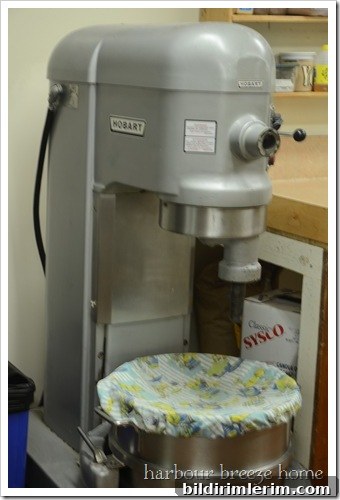
Big Hobart — Our Large Planetary Mixer
“Big Hobart” is our heavy-duty mixer for large batches. While it’s not literally as heavy as it looks, its large bowl and powerful motor make it ideal for mixing doughs, batters, and big cookie or cake batches. In a commercial-style kitchen, a large planetary mixer speeds production, provides consistent results, and handles tougher doughs that smaller machines can’t. We rely on this mixer for any large-scale bread or pastry production.
Little Hobart — The Compact Mixer
“Little Hobart” is the smaller counterpart to Big Hobart and is better suited for medium or small batches. It’s perfect for recipes like refrigerator cheesecakes and other desserts where a more manageable bowl size and gentler handling are helpful. The smaller mixer is also easier to move and clean, which makes it a practical choice for daily prep when we don’t need full industrial capacity. 
Sheet Pans — Versatile and Essential
Our large sheet pans—what we call “The Big Trays”—sit stacked under the ovens and are used multiple times every day. They’re versatile for baking bacon or sausage at breakfast, roasting vegetables, baking trays of cookies, or holding items in the oven. Durable, easy-to-clean pans are a kitchen workhorse; we keep many on hand so production never has to pause while waiting on washed trays.
Rack ‘n’ Rolls — Mobile Pan Storage
The mobile pan racks—nicknamed “Rack n Rolls”—hold the large trays and make transport and storage efficient. We have racks located near the bakery, inside the cooler, and in the freezer so pans and prepared trays can be stored or moved quickly. These racks help keep the kitchen organized and reduce time spent handling hot or cold trays.
Hotel Pans — Three Depths for Different Uses
Hotel pans come in shallow, medium, and deep depths and are indispensable for buffet service, catering, and bulk prep. We use them for fruit and vegetable platters, desserts, casseroles, and holding prepped ingredients. Their standard sizes make them easy to stack, transport, and fit into steam tables or refrigeration units, providing flexible service options.
Bulletin Board and Weekly Menu
Organization starts with clear information. On the bulletin board inside the main door we post the weekly menu and the current group’s schedule beneath it. This simple visual eliminates two frequent questions from staff and residents: “What’s for dinner?” and “Which cutlery should we set for this meal?” Displaying the menu and settings reduces confusion, saves time, and ensures consistent table service.
Daily Whiteboard — Task Lists and Accountability
Our big whiteboard lists the specific tasks that need to be completed each day. Although the photo isn’t perfect, the board itself is invaluable: tasks are written clearly and checked off by the person who completes them. I prepare the list the night before so the team knows priorities for the coming day. This routine improves efficiency, ensures nothing is overlooked, and supports smooth handoffs between shifts.
The whiteboard is also a training and communication tool, helping newer staff understand daily routines and giving experienced team members a quick reference for responsibilities and timing.
Chef Jackets and Aprons — Protection and Practicality
Chef jackets protect clothing from spills and splatters and help reduce the risk of burns on the arms. The sleeve pocket is a small but powerful convenience: it stores a sharpie, pen, or temperature gauge so essentials are always within reach. The jacket’s design also allows servers to present a “clean side” even if the other side is stained, which keeps service looking professional. Food handlers wear these jackets, while the dish crew typically uses sturdy, fun aprons suited to their tasks.
Together, these tools and organizational practices create a kitchen that runs reliably and efficiently. From mixers and pans to boards and clothing, thoughtful equipment choices and clear communication are what enable consistent food quality and smooth service every day.