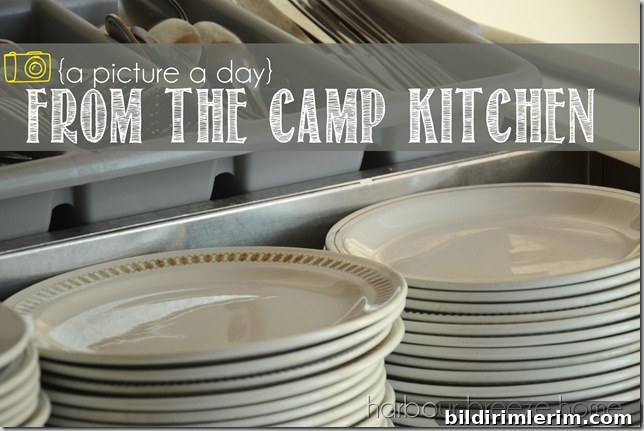
I mentioned yesterday that this little home décor blog would take a bit of a detour for the summer as I spend my days cooking in our camp kitchen. The days are full, but I thought it could be fun to share one or two photos a day from the camp kitchen and to write about what we’re cooking. Cooking isn’t my longtime passion (honestly, it’s not my favorite thing either—so hush), but it’s what I’m doing right now, and I want to document the experience. This is day one, so we’ll see how it goes, but here’s the first entry.
Growing up, Sunday roast beef was a family tradition. My mother would put the roast in the oven on time bake before church, and we’d come home to a warm, aromatic meal waiting for us. That comforting smell, the slow-cooked tenderness, and everyone gathered around the table are memories that stick with you.
I haven’t followed that tradition closely in my adult life. Neither my husband nor I are devoted roast beef fans, and over the years I’ve only made roast beef a handful of times. This summer at camp I decided to make up for that—slow-roasting several large roasts in the camp kitchen and sharing the process here.
Today we roasted five large pieces of beef, each roughly twenty pounds. My chef teacher Connie taught me this simple, reliable method that works well when you’re cooking for a crowd and need consistent results. I’ll walk through the steps we use and why each one matters for getting tender, juicy slices.
Step-by-step method for slow-roasted camp beef
1. Thawing: Place the frozen roasts on the bottom shelf of the cooler on a large tray or pan to catch drips. Start this about three days before you plan to cook so they thaw evenly and safely.
2. Seasoning: On the morning you’ll serve the beef, remove any outer plastic wrapping. Rub the roasts with a dry blend of spices—paprika, rosemary, thyme, garlic, and crushed peppercorns. We avoid adding salt at this stage because salt drawn into the surface too early can dry the meat out during the extended cook time.
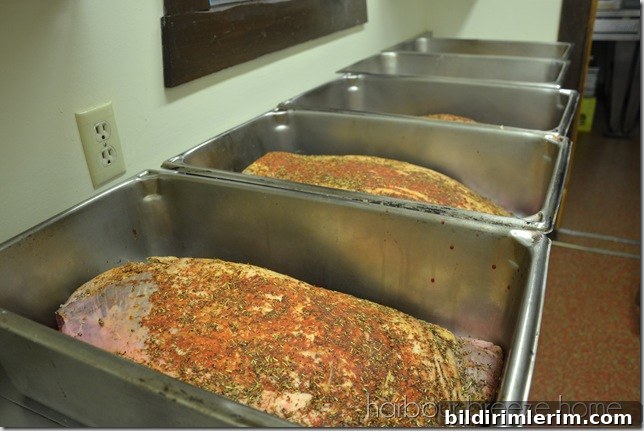
3. High-heat sear: Preheat the oven and at 10:30 a.m. place the roasts uncovered in a 450°F (about 230°C) oven for 30 minutes. This initial high heat helps create a flavorful crust and seals in juices.
4. Low-and-slow finish: After the sear, reduce the oven temperature to 225°F (about 107°C) and allow the roasts to cook slowly the rest of the day. The low temperature ensures even cooking and tenderization without overcooking the exterior.
5. Target internal temperature: The roasts should reach an internal temperature of roughly 69–74°C (about 156–165°F) by mid to late afternoon, depending on size and oven consistency. Using a reliable thermometer helps you hit the right doneness for slicing.
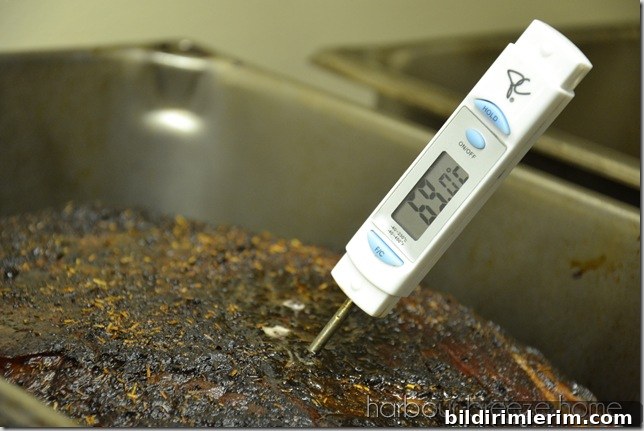
6. Resting: Cover the roasts loosely with a tent of aluminum foil for at least an hour. Resting lets the juices redistribute and makes the roast noticeably more tender when you slice it.
7. Holding: After resting, slice the beef and keep it in a warming oven until serving time. Thin, even slices help maximize tenderness and are ideal for serving large groups.
We cooked extra today and shaved some slices very thin to use for tomorrow’s lunch—Philly cheesesteak sandwiches—so nothing goes to waste. Cooking large roasts at camp is a practical lesson in timing and temperature control, and it’s surprisingly satisfying to feed a crowd with a simple, well-executed roast.
Over the next few weeks I’ll keep sharing photos and notes from the camp kitchen: the routines that keep a busy kitchen running, little tricks I pick up from seasoned cooks like Connie, and the small comforts of food made for and by a community. If you enjoy slow-roast techniques, tips for large-batch cooking, or the behind-the-scenes of camp food prep, I’ll be posting more of these day-by-day snapshots.
For now, the aroma of roast beef and the busy hum of the camp kitchen will have to stand in for the rest of the story. See you tomorrow with another photo and another recipe note.