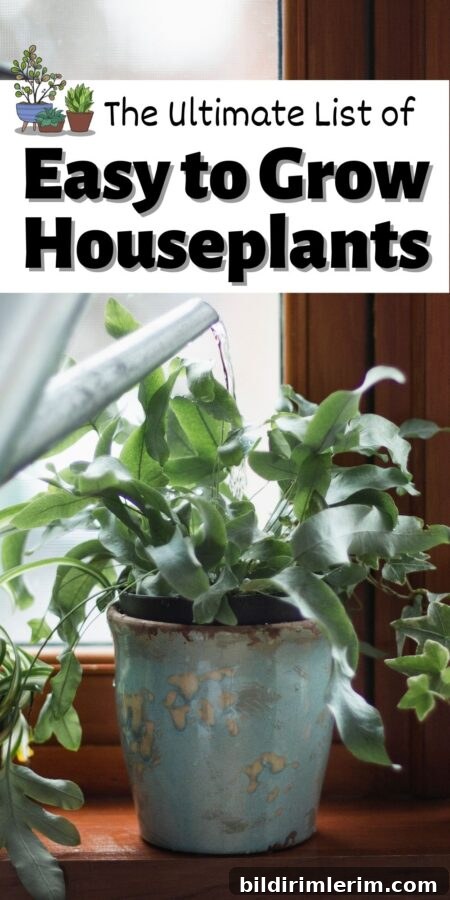
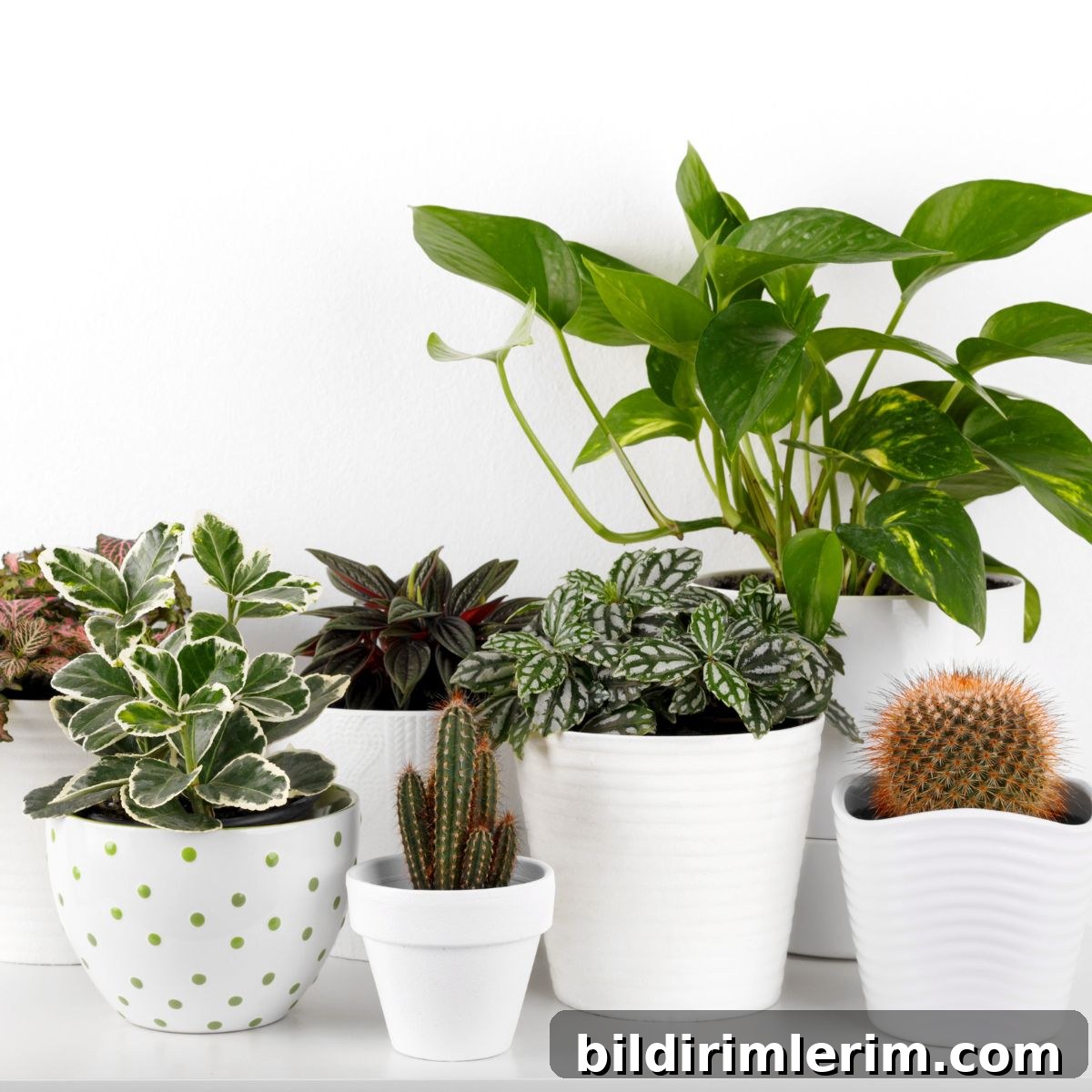
Looking for a list of easy-to-grow houseplants that are low maintenance and simple to keep alive? Below are some of the most common, forgiving options with practical care notes to help you succeed.
Live houseplants have become a popular way to bring life and texture into interiors. If you’ve struggled with houseplants in the past, you’re not alone — many people hesitate after a few failed attempts. The good news is that a few hardy species tolerate a range of indoor conditions and can thrive with minimal attention.
I dipped back into houseplant care a couple of years ago after many past failures. I researched the easiest indoor plants to grow, focusing on low-maintenance, forgiving varieties. With a little experimentation I now have several long-lived plants that look great and don’t demand constant babysitting. Below is a concise, user-friendly list to help you choose plants that fit your home and schedule.
Easiest Houseplants to Keep Alive
-
Snake Plant (Dracaena trifasciata)
Snake plants are famously tough and ideal for beginners. They tolerate low light, drought, and occasional neglect. Place one in indirect light or a bright corner, water sparingly (allow the soil to dry between waterings), and avoid overwatering to prevent root rot. Their upright, architectural leaves make them a stylish, low-effort choice.
Photo credit: www.thespruce.com
-
Money Tree (Pachira aquatica)
Money trees are popular for their braided trunks and glossy leaves. They prefer bright, indirect light and moderate watering—allow the top inch of soil to dry before watering again. They can slow growth in dim winter months but generally remain healthy with basic care.
Photo credit: bloomscape.com
-
Coffee Plant (Coffea arabica)
Coffee plants offer attractive shiny foliage and a compact habit. They like bright, indirect light and consistent moisture without becoming waterlogged. While they may not always produce beans indoors, their leaves add a lush, tropical feel to a room.
Photo credit: www.bobvila.com
-
Monstera Deliciosa (Swiss Cheese Plant)
Monstera deliciosa is valued for its dramatic, split leaves and forgiving nature. It prefers bright, indirect light and regular but moderate watering—water when the top soil dries. It can grow large, so give it space or prune to maintain size. New leaves and natural leaf fenestration reward consistent, simple care.
Photo credit: bloomscape.com
-
Haworthia (Zebra Succulent)
Haworthia and similar small succulents are perfect for desks, shelves, or small containers. They require bright light, infrequent watering, and well-draining soil. These plants are excellent for busy people or those living in drier interiors because they store water in their leaves.
Photo credit: succulentsbox.com
-
Maidenhair Fern (Adiantum)
Maidenhair ferns are prized for delicate, lacy fronds. They are more particular than the other entries: they like consistent moisture, higher humidity, and stable light conditions. If you place one on a bright windowsill away from drafts and water regularly (sometimes from the bottom), it can rebound even after appearing distressed.
Photo credit: www.thespruce.com
-
Spider Plant (Chlorophytum comosum)
Spider plants are classic low-maintenance houseplants. They tolerate a range of light conditions and rebloom with dangling plantlets that make them a great gift or propagation source. They prefer regular but moderate watering and well-draining soil.
Photo credit: www.gardeningknowhow.com
-
Prayer Plant (Maranta and Calathea relatives)
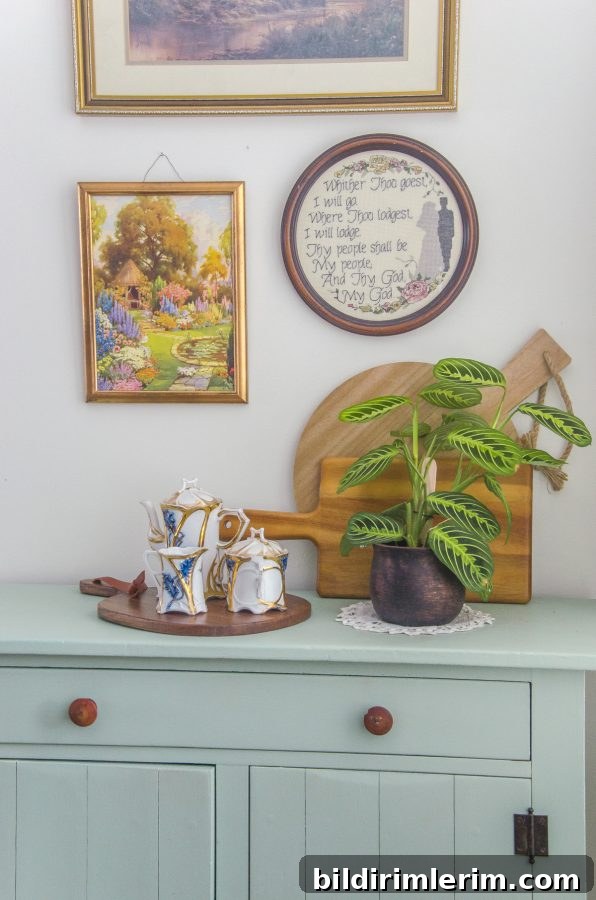
Prayer plants are fascinating for their daily leaf movements—leaves often fold up or “pray” at night. They prefer low to moderate light, even moisture, and moderate humidity. Their dynamic behavior and patterned foliage make them a fun, relatively easy addition for a stable indoor spot.
Photo credit: www.gardeningknowhow.com
Other recommended easy-care, low-maintenance houseplants
Here are additional popular, beginner-friendly houseplants to consider. These are commonly recommended for low-care indoor environments:
- Jade Plant (Crassula ovata)
- Chinese Evergreen (Aglaonema)
- Peace Lily (Spathiphyllum)
- ZZ Plant (Zamioculcas zamiifolia)
- Ficus elastica (Rubber Plant)
- Golden Pothos (Epipremnum aureum)
- Lucky Bamboo (Dracaena sanderiana)
- Dragon Tree (Dracaena marginata)
- Heartleaf Philodendron (Philodendron hederaceum)
- Rubber Tree varieties
Why are my houseplants always dying?
If your indoor plants are struggling despite your efforts, evaluate these core factors: light, temperature, humidity, watering, and feeding. A plant that lacks adequate light or experiences extreme temperature swings or very dry air often looks unhealthy quickly. For example, citrus and other tender plants typically need steady warmth and bright light; a drafty, poorly insulated space can doom them even with careful watering.
Things to consider when choosing indoor plants
Match the plant to your environment and your routine. Before bringing a plant home, check:
- Light needs: Does it require bright, indirect, or low light?
- Water frequency: How often does it need water, and will you remember to provide it?
- Humidity needs: Does it prefer higher humidity or average indoor humidity?
- Maintenance level: Do you want a no-fuss plant or one that needs regular grooming and attention?
When shopping, read labels or ask nursery staff about a plant’s preferred light, water, and humidity. If you’re unsure, a quick online search for the species will confirm whether it fits your home.
Don’t forget to feed your plants
Plants need more than water; periodic feeding with a balanced houseplant fertilizer supports healthy growth. Use a formula formulated for indoor plants and follow the package directions for frequency and dilution. Slow-release spikes, liquid feeds, or a diluted all-purpose fertilizer are common options—choose one that matches your watering and care routine.
Additional tips and inspiration
- Search for articles on container care, such as hydrangeas in pots, if you grow flowering houseplants.
- Consider DIY plant stands or shelving to display and group plants for microclimates and humidity.
- Follow experienced plant enthusiasts on social media for practical daily care ideas and troubleshooting.
With the right plant selection and a little observation of light, water, and temperature, you can build a low-maintenance indoor plant collection that adds style and freshness to your home. Happy houseplanting!