In my ongoing efforts to simplify and organize our home, I’ve come to appreciate one small but incredibly versatile piece of furniture: the dresser.
Why a Small Dresser Works So Well
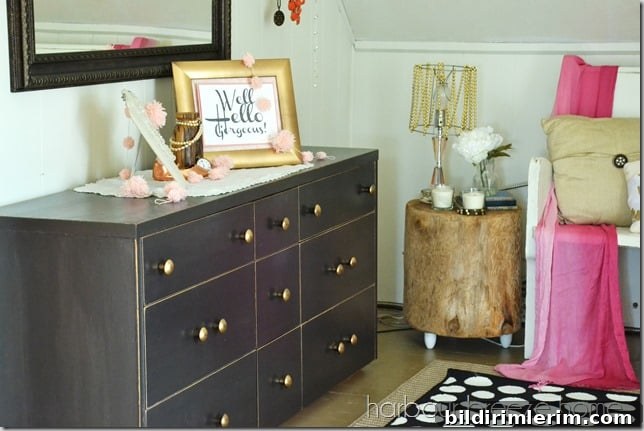
A dresser is essentially a wooden box with drawers, but its design and function go far beyond that simple description. It creates concealed storage that tamps down visual clutter while offering a usable surface on top. That surface can be a practical landing spot for keys, mail, or a lamp — or it can become a vignette for decorative objects, family photos, or a vase of flowers. In short, a dresser gives you both hidden organization and an opportunity for styling.
Practical Uses Around the House
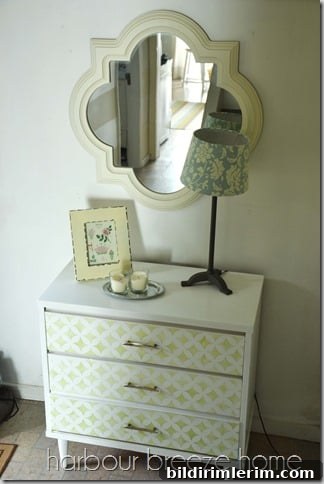
One of the reasons I love small dressers is how easily they adapt to different rooms and needs. In our walk-in closet, the dresser doesn’t hold clothing at all; its drawers house bike locks, cosmetic bags, travel-sized toiletries, and extra linens. In another room it was once a TV stand, filled with CDs and DVDs. Today, a dresser in our entryway keeps patterns and supplies for my wooden sign projects neatly organized.
In the office, the middle drawer has become the “tool drawer” for small hand tools and gadgets, while the bottom drawer stores gift-wrap essentials. At another time, the same piece served as our kitchen’s phone and message center. A small dresser can be repurposed again and again as your needs change.
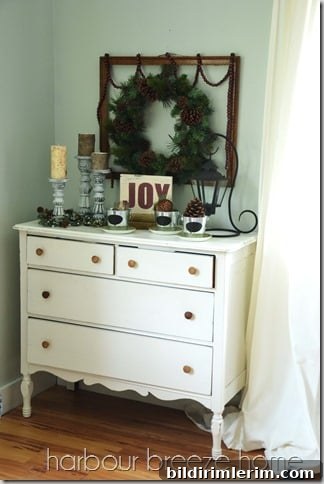
Choosing the Right Dresser for Your Space
When you’re selecting a small dresser, consider its dimensions, drawer depth, and overall style. Measure the intended spot first so the dresser fits comfortably without crowding other furniture. Think about the types of items you’ll store: deeper drawers are better for textiles, while shallower drawers work well for small tools, electronics, or office supplies. Select a finish and hardware that complement your room’s décor so the piece blends in or becomes a focal point, depending on your preference.
Organizing the Drawers
To maximize usefulness, assign each drawer a clear purpose. Use drawer dividers, small bins, or simple folded sections to keep similar items together and prevent chaotic jumbles. Labeling drawers or keeping a quick inventory list on the inside of the top drawer helps maintain order over time. Rotate contents seasonally — for example, keep travel-sized toiletries or holiday supplies readily accessible when you need them.
Styling Tips for the Top Surface
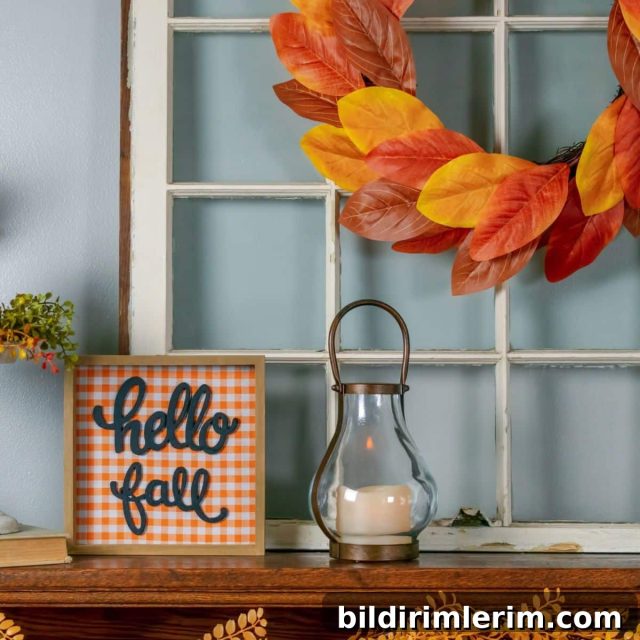
The dresser’s top is an opportunity to combine function and decor. Near an entryway, keep a shallow tray for keys and sunglasses, a small bowl for loose change, and a decorative mirror above to check your look before leaving the house. In a craft room, use the surface for frequently used patterns or tools, with a small lamp for task lighting. In an office, a neat stack of notebooks and a plant can soften the workspace while keeping essentials within reach.
Maintenance and Longevity
Keep your dresser looking fresh by wiping it down regularly and protecting the surface with coasters or a runner when placing items that might scratch or stain. Tighten drawer hardware as needed and address any squeaks or sticking drawers promptly to extend the piece’s useful life.
If you’re facing a storage or organization challenge, consider whether a humble small dresser could be the solution. Its adaptability, hidden storage, and usable top surface make it one of the most useful pieces of furniture to own.
Have a lovely day!
Rita Joy