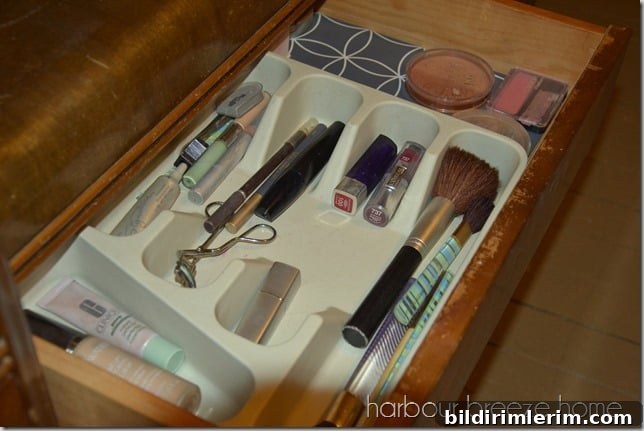
Before I took the photograph showing my makeup organization, I decided it was the right time to wash my makeup brushes.
I’d heard from a friend that brush cleaning was important, so I did a little research into how often and how best to clean makeup brushes. Many beauty professionals and skincare experts recommend regular cleaning to keep brushes hygienic and performing well. Over time, brushes collect makeup residue, oils, dead skin cells, and environmental pollutants that can affect makeup application and potentially irritate the skin.
One commonly suggested guideline is to cleanse brushes used with liquid or cream products weekly, while brushes used for powders can be cleaned less frequently—though regular maintenance and a quick weekly clean are ideal for all types. If you have sensitive or acne-prone skin, cleaning more often can help reduce the risk of breakouts related to transfer of bacteria and oils.
Here’s a simple, effective routine for washing makeup brushes that I followed. It’s quick, easy, and uses gentle ingredients so the bristles stay soft and the brush handles aren’t damaged.
1. Rinse gently under lukewarm running water. Aim the water at the bristles only and avoid getting water into the ferrule (the metal part that holds the bristles), since excess moisture there can loosen the glue and shorten the brush’s lifespan.
2. Use a small amount of gentle shampoo, baby shampoo, or a brush-cleaning solution. Place a drop in a bowl of lukewarm water or directly in your palm and swirl the brush to work up a lather. For very dirty brushes, you can repeat this step or use a dedicated brush cleanser.
3. Rinse until the water runs clear. Continue to run lukewarm water over the bristles while gently squeezing out any remaining product and suds. Be careful to keep the handle and ferrule as dry as possible.
4. Reshape and dry flat on a towel. Gently press the brush bristles into a towel to remove excess water, reshape the tip of the brush, and lay it flat to dry. Laying brushes flat helps prevent water from seeping into the ferrule and reduces the risk of bristle damage. If possible, elevate the brush head slightly off the surface so air can circulate around the bristles.
Additional tips for brush care and longevity:
– Use lukewarm water rather than hot water to protect natural and synthetic bristles. Hot water can weaken glue and warp bristles over time.
– Avoid soaking the entire brush, especially brushes with wooden handles. Extended soaking can damage handle finishes and loosen adhesives.
– For deep cleaning, consider using a silicone brush-cleaning mat or textured surface to gently massage out stubborn product buildup without pulling on the bristles.
– After drying, store brushes upright in a clean container or organizer to keep bristles in good condition and reduce dust exposure. A clean storage system helps maintain makeup hygiene and makes daily routines quicker and neater.
– Makeup sponges and beauty blenders should also be cleaned regularly—squeeze out product and rinse until clear, using a mild cleanser, and allow them to dry thoroughly.
Regular brush cleaning improves makeup application, prevents color mixing between products, and keeps brushes softer and more responsive. It also contributes to better skin health by reducing the transfer of oils and bacteria. Even if weekly cleaning feels ambitious at first, even a simple rinse and reshape once a week can make a noticeable difference.
Happy brush washing—your brushes and your skin will thank you for the care!
Rita Joy