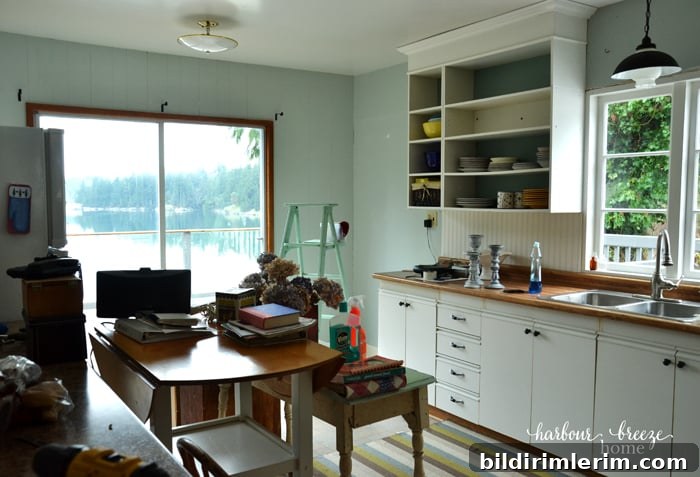
Week One of packing is finished at our house, and I couldn’t help but laugh when I saw all the New Year cleaning and organization posts online. For me, the best motivation for both cleaning and organizing has always been moving. My kitchen hasn’t been this clean in years.
I enjoy the organizational side of packing, so this week has been oddly fun. I decided to start with what I find is the most challenging room to both pack and deep clean: the kitchen. Below are the practical, sanity-saving packing and moving tips that worked best for me.
Here’s a quick list of the sanity-saving packing tricks I tried this week:
- Source sturdy boxes: Visit local grocery stores and ask for produce or liquor boxes. They tend to be strong, uniform, and freely available. Having a few sizes on hand makes wrapping and stacking much easier.
- Pack fragile, infrequently used items first: Begin with china, heirlooms, and other delicate items you don’t need daily. Take your time wrapping them carefully to avoid breakage. Proper packing now saves hours of cleanup and replacement later.
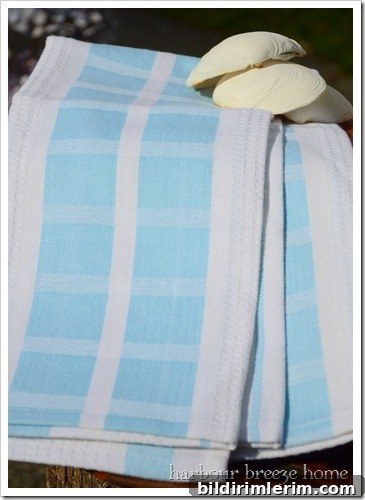
- Use soft household materials as padding: Instead of buying bubble wrap, use linens, tablecloths, doilies, quilt batting, and even clothing to cushion breakables. Wrapping china in pretty vintage linens is both protective and space-efficient.
- Label boxes clearly and keep an inventory: I picked up a great system from a professional mover who helps seniors downsize. Labeling and tracking boxes prevents chaos on moving day and after:
How to Label boxes for moving:
- Write the destination room on each box (e.g., Kitchen, Living Room).
- Number every box sequentially.
- Include a brief description of the contents on the outside.
- Keep a binder or digital file with a detailed inventory for each box number so you can locate specific items quickly.
This system might sound a little meticulous, but it’s incredibly useful—especially if you’ll be moving again within a short time. Maintaining an indexed inventory saves time when searching for a particular item, and it makes unpacking far less stressful.
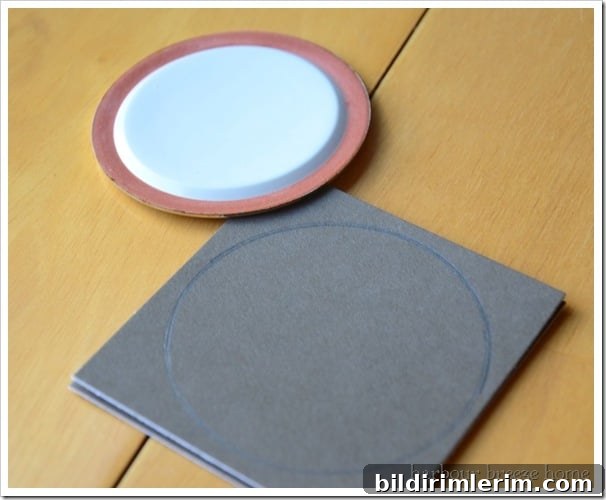
I didn’t have sticky labels, so I cut squares from cardstock and taped them to boxes. Many people recommend color-coding labels by room; I like that idea because it gives a quick visual cue for where each box belongs and cuts down on “where does this go?” questions.
Deep clean as you pack: Tackle walls, shelves, drawers, the sliding door track, and the area behind the refrigerator while cabinets and counters are empty. Doing a thorough clean before moving day prevents having to return for a second deep clean and ensures the space is move-out ready. I chipped away at it in small sessions so it didn’t feel overwhelming. (Under-sink areas still deserve extra elbow grease—why do they always get so grimy?)
After packing and cleaning, I left only the essentials in the kitchen so we can still prepare meals and use what’s left in the pantry and freezer. Using up perishable food now is practical—expect fruit crisps and smoothies when the freezer is full of fruit.
A few extra practical tips for packing a kitchen:
- Place heavier items like pots and pans in smaller boxes so boxes aren’t too heavy to lift.
- Wrap glassware individually and stack vertically rather than horizontally when possible.
- Keep one “open first” box with essentials for the first night in your new place: a few plates, utensils, a pot, a dish towel, and basic cleaning supplies.
- Secure lids and tape shut small containers to prevent spills during transit.
Now it’s your turn—what packing strategies or kitchen-packing hacks have worked for you? I’m always eager to learn new ideas that make moving less stressful and more efficient.
For more tips on moving
Explore the moving category for practical ideas—from decluttering and packing to moving day strategies—to help make your relocation smoother and more organized.