

Long before Marie Kondo became widely known for her Netflix series “Tidying Up,” her book The Life-Changing Magic of Tidying Up introduced the KonMari method and reshaped how many people think about home organization and decluttering.
It’s a concise, practical read that offers straightforward tips and a clear process for tackling clutter. If you don’t have time to read the whole book right now, this summary outlines the core ideas and how they helped me when we dramatically downsized our home and reorganized our entire small house.
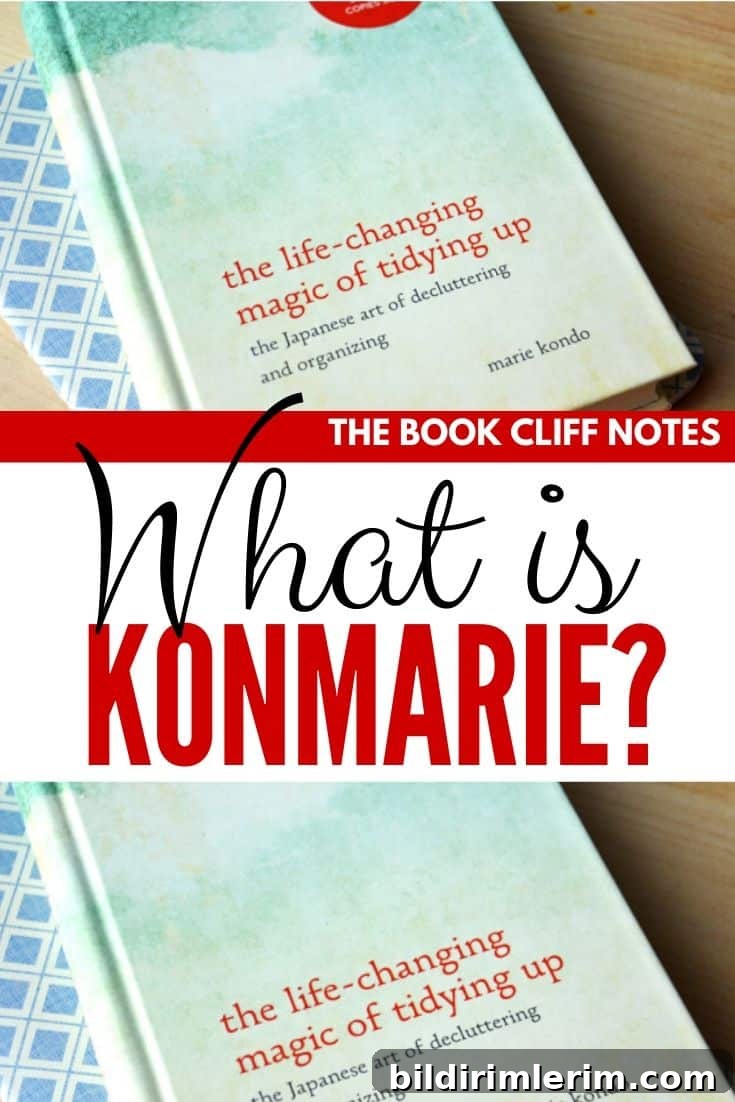
I strongly recommend the book if you want a complete guide. In the meantime, here is a practical synopsis of the KonMari approach and tips to get started today.
The Basics of the KonMari Method
Note: This post contains product and method recommendations based on personal experience.
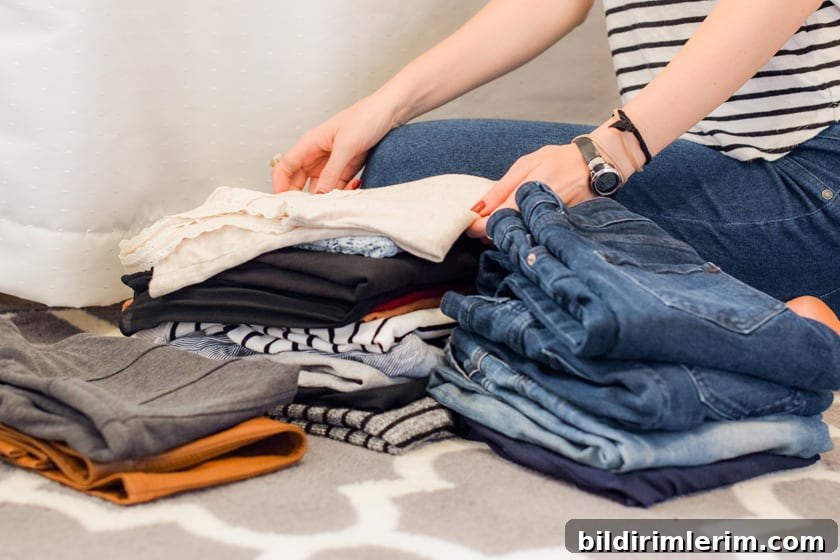
1. Treat tidying as a focused event — aim for completeness, not drips and drabs.
“The secret of success is to tidy in one shot, as quickly and completely as possible, and to start by discarding.” — Marie Kondo
The KonMari philosophy frames tidying as a special event you complete thoroughly in a relatively short period of time, rather than an endless, piecemeal task. That was liberating to me: the idea that a real, lasting change is possible when you commit to a focused effort.
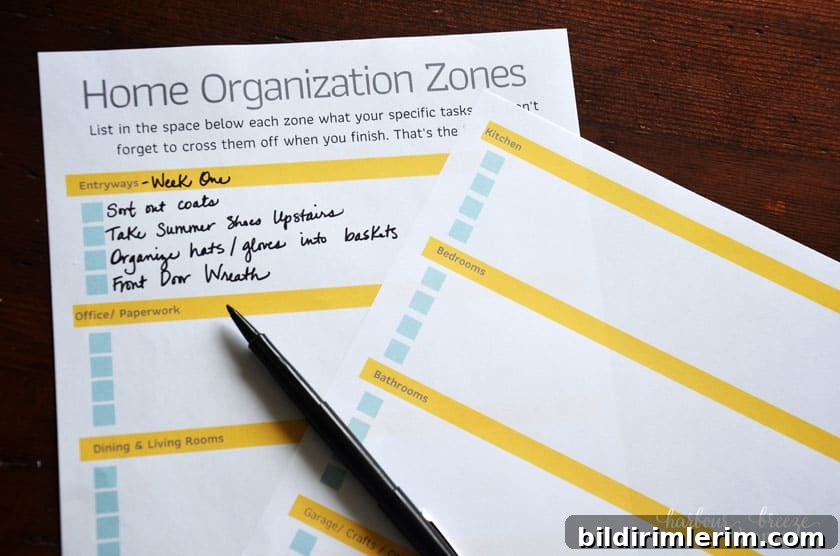
That said, the “one shot” approach still requires planning and time. For our downsized home, I organized by focusing on one area each week and completed the process over a few focused weeks. The key is consistency and the mindset that you will finish a category before moving on.
2. Sort by category in a specific order to build decision-making confidence.
“By starting with the easy things first and leaving the hardest for last, you can gradually hone your decision-making skills, so that by the end, it seems simple.” — Marie Kondo
Instead of cleaning room by room, KonMari recommends gathering items by category so you can see everything of the same type at once. The suggested order — starting with clothes and finishing with sentimental items — is designed to make decision-making easier as you progress.
This approach revealed surprising excesses in our home: when all like items were brought together, it was obvious what we had too much of. For example, seeing all the tea light candles at once was an eye-opener. When you can compare like with like, choices become clearer and faster.

3. Decide by feeling: keep what “sparks joy” but use practical judgment too.
“The best way to choose what to keep and what to throw away is to take each item in one’s hand and ask: ‘Does this spark joy?’ If it does, keep it. If not, dispose of it.” — Marie Kondo
At first, the “spark joy” test sounds unusual and even amusing. In practice, it’s a useful tool for focusing the decision process. I combined it with practical questions such as “How often do I use this?” and “Does this item support the life I want to live?”
Not everything needs to spark joy — some items are purely functional (a toilet brush, for example) — but asking whether an item has value to you makes the choice between keep and discard more intentional. This mindset helped us pare down kitchen supplies, reducing duplicates and keeping only what we actually use.
Give the KonMari method a try
If you’re curious, read Marie Kondo’s book to get the full method. It’s practical and motivating. If you prefer to start immediately, create your own printable checklist and work through categories in the order below, tackling one category at a time and setting aside uninterrupted time to complete it.
Start organizing with the KonMari categories
Work in the recommended order to build confidence and momentum:
- Clothing
- Books
- Papers
- Komono (miscellaneous: craft supplies, kitchen items, personal items, linens, etc.)
- Sentimental items
Tips for success: dedicate an uninterrupted block of time for each category, gather every item in the category so you can compare them, and hold each piece before deciding. Be honest about use and feeling — the goal is a more intentional, livable home.
Other organization topics you might find useful
- How to organize cupboards in a small kitchen
- Seven simple paper-clutter organizing tips
- How to organize a buffet or dining-room storage
- Pantry organization for a small kitchen
- Small-kitchen storage and organization ideas
(This article was originally published on November 3, 2015 and updated with new content on January 17, 2020.)