Organizing kitchen cupboards can feel like solving a puzzle: every item needs a dedicated place that makes sense for how you cook and live. Finding that ideal layout can take time and a few attempts, but with some practical strategies you can create a kitchen that’s both efficient and pleasant to use.
I rearranged my kitchen several times over the past year before finally settling on a layout that works. From those experiments I learned a lot about what helps — and what hinders — an organized small kitchen.
How to Organize Cupboards in a Small Kitchen
Purge items you don’t need, use, or love
Limited space forces good decisions. When you empty a cupboard, separate items into keep, donate, or toss piles. Useful questions that make choices easier:
- Have I used this in the last year?
- Do I need multiple duplicates at once?
- Have I ever used that gadget I bought impulsively?
- Is this large item better stored elsewhere, like the garage?
- Is this a true heirloom I want to use and preserve?
Assess what’s working and what isn’t
Open every door and drawer and take a step back. Identifying problem areas — crowded shelves, misplaced items, or things you never reach for — helps you plan a better layout. I used this approach for pantry and cupboard projects and it made the rest of the process much simpler.
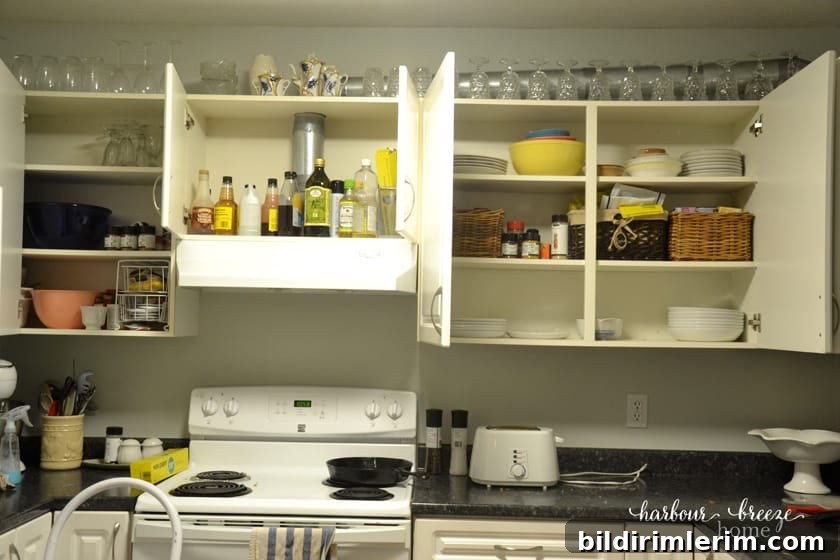
Start with a blank slate
Take everything out. Wipe down shelves and drawers, then rebuild with intention. A clean, empty space lets you visualize zones and decide where each “puzzle piece” should go based on how you actually use the kitchen.
Keep everyday items within easy reach
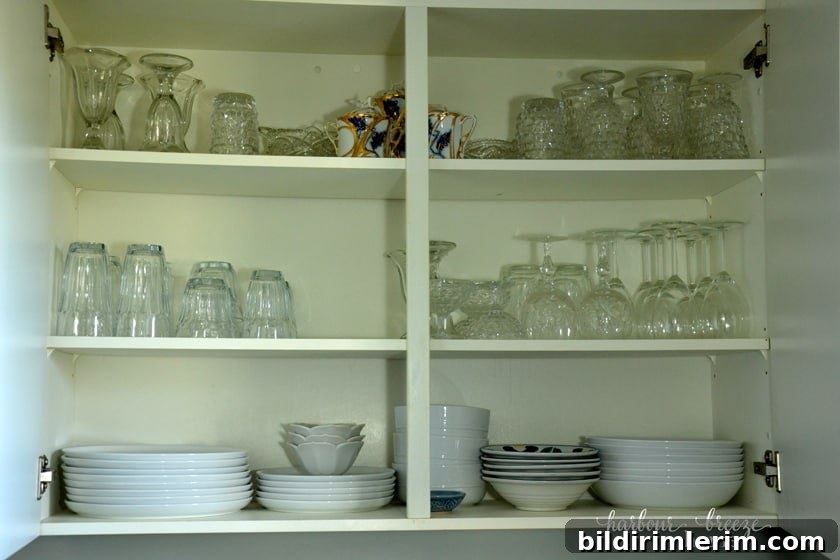
Place frequently used dishes, glasses, and utensils near the sink and dishwasher so unloading and setting the table are effortless. Reserve higher shelves for items you enjoy seeing but use less often, such as inherited glassware.
Create activity stations
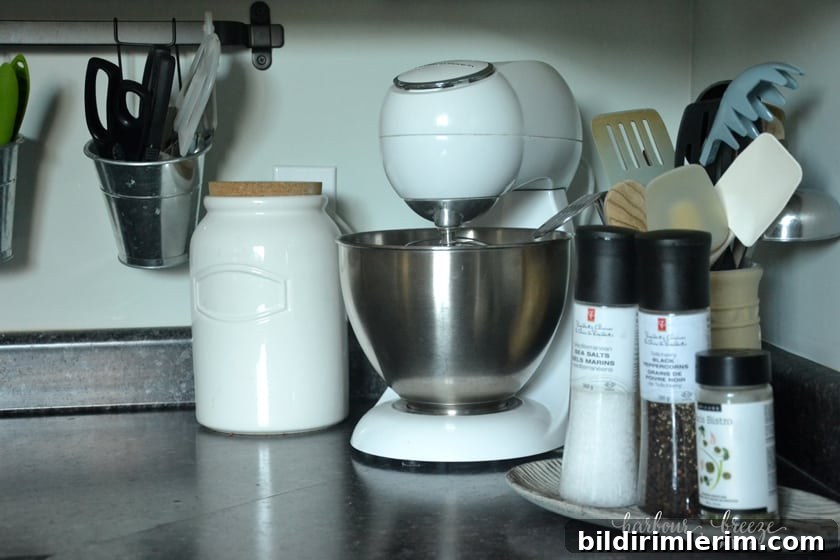
Designate zones for cooking, baking, coffee, and prep. I set up a baking station at my preferred counter with measuring cups, spatulas, flavorings, and dry goods all nearby. The coffee bar sits conveniently by the sink so everything needed for morning routines is in one place.
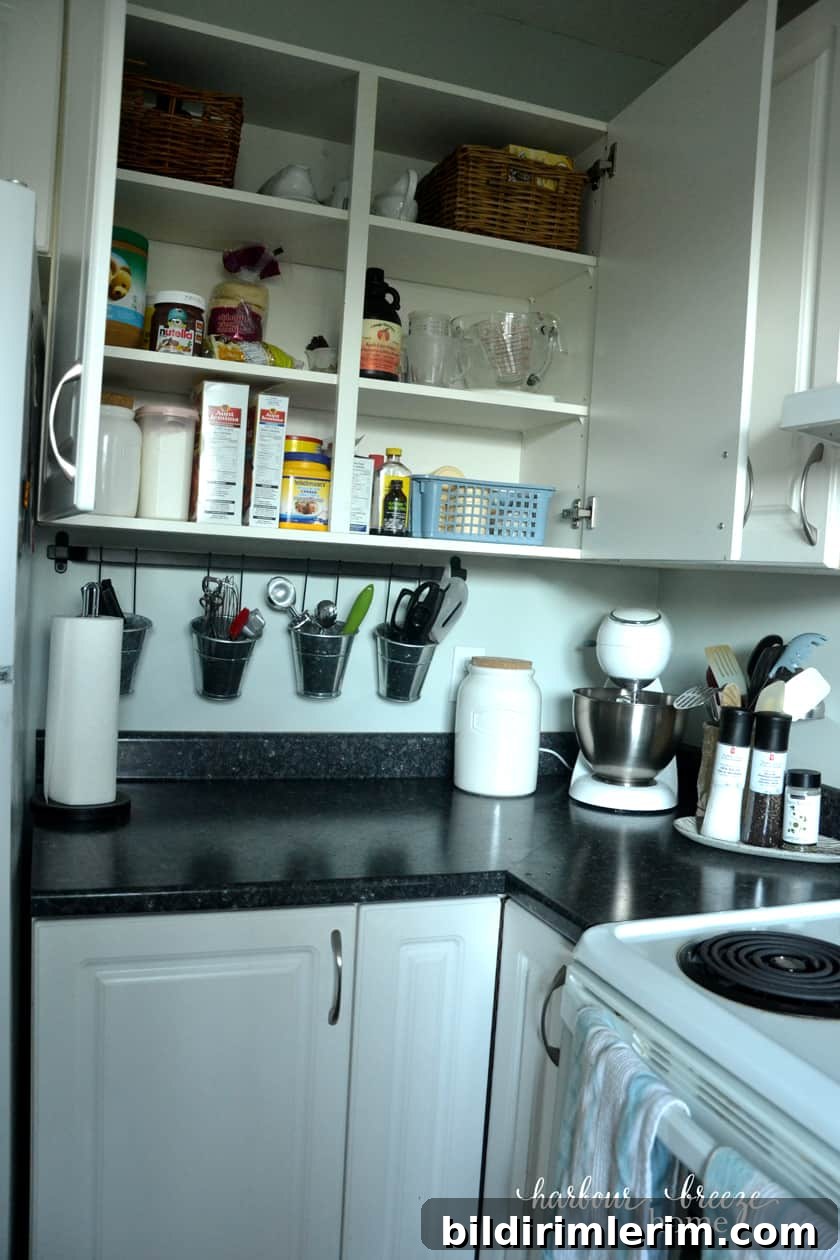
Grouping related tools and ingredients reduces back-and-forth and keeps counters tidy.
Tame spice storage
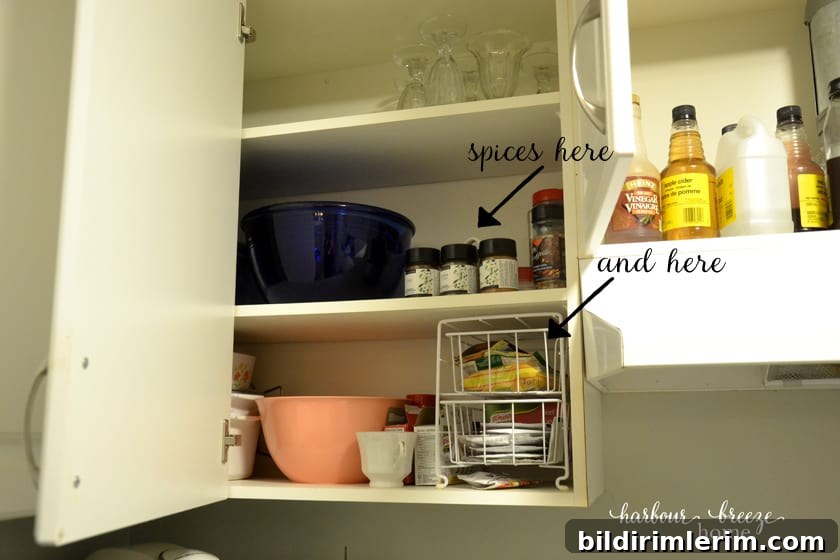
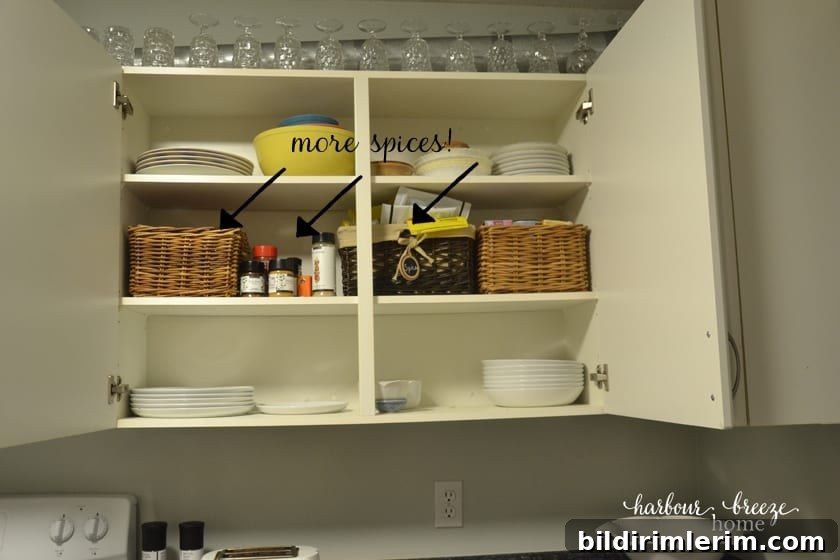
Spices often end up scattered. I discarded expired jars, grouped remaining spices together, and organized packets alphabetically in a basket. A metal container holds mixes and blends. Consider lazy susans for lower shelves so bottles are accessible without digging.
Store seldom-used items in harder-to-reach spots
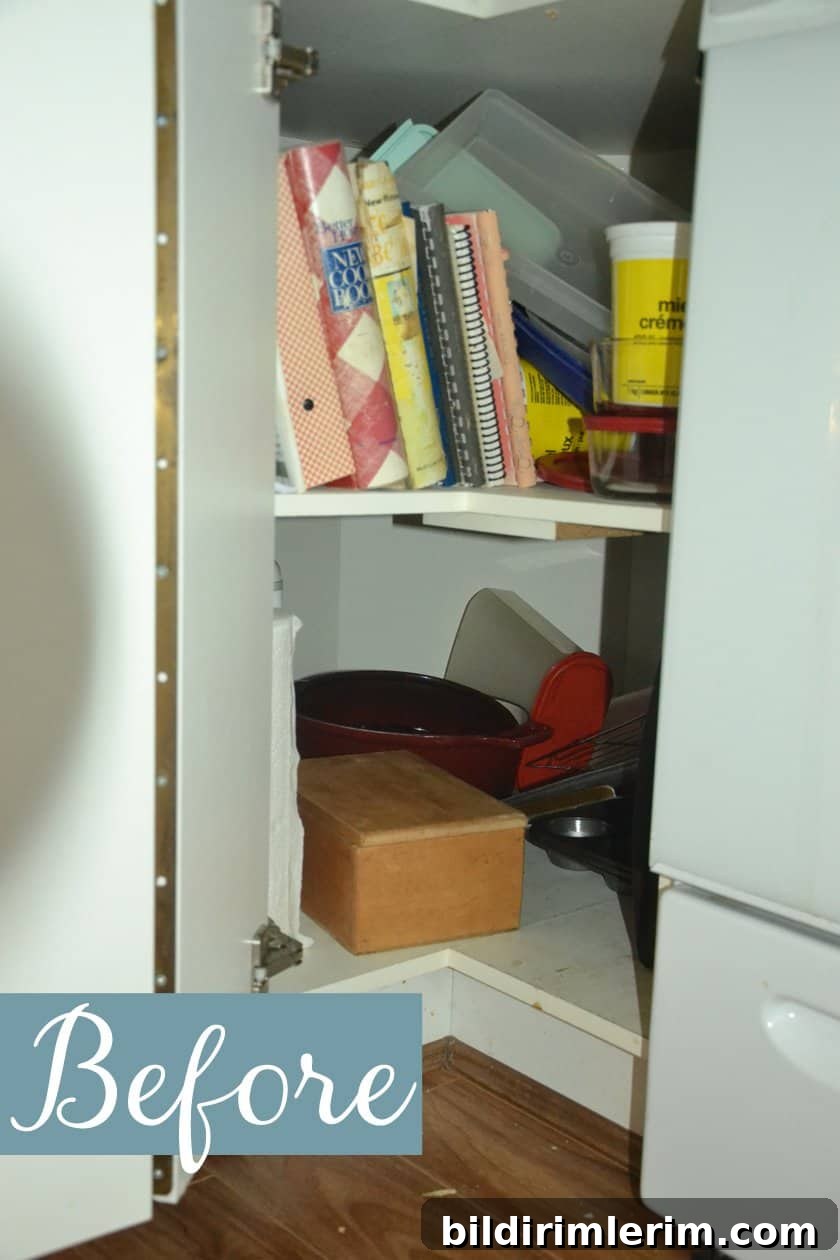
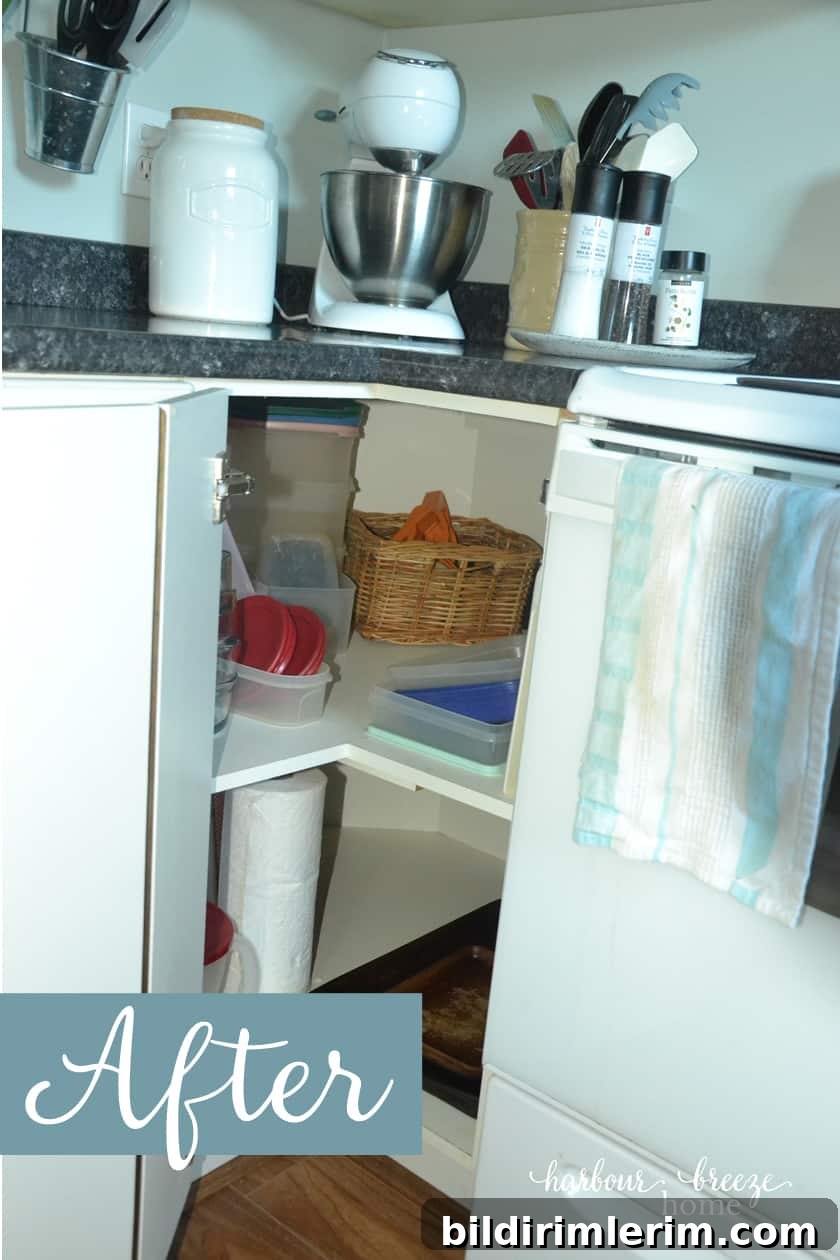
Upper and deep corner cupboards are great for occasional items like a turkey roaster or seasonal cookware. Keep frequently used pieces at the front and move infrequently used items to the back or top shelves. Installing a lazy susan in a lower corner cupboard can transform awkward storage into efficient access for pots, pans, and produce baskets.
Use the storage drawer under the stove
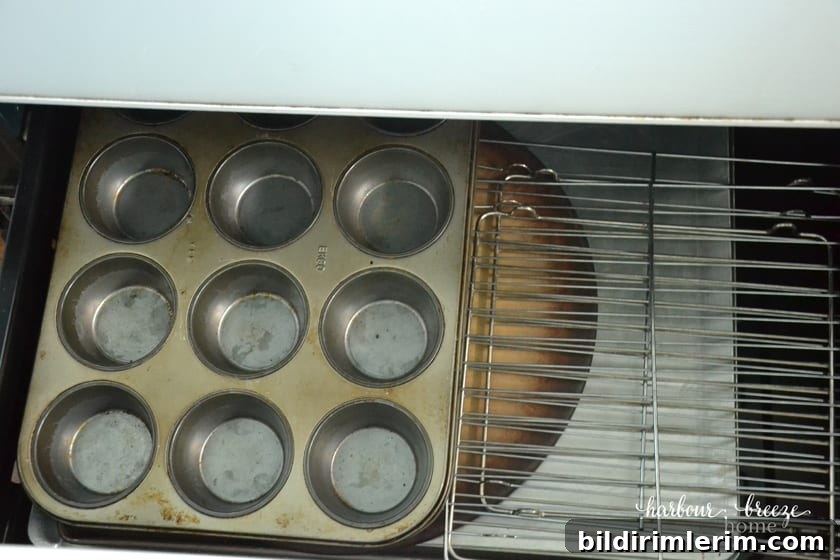
If you have a warming drawer or storage drawer under the stove, store flat items like baking sheets, muffin tins, and cooling racks there to free up cupboard space.
Turn wall space into prime storage
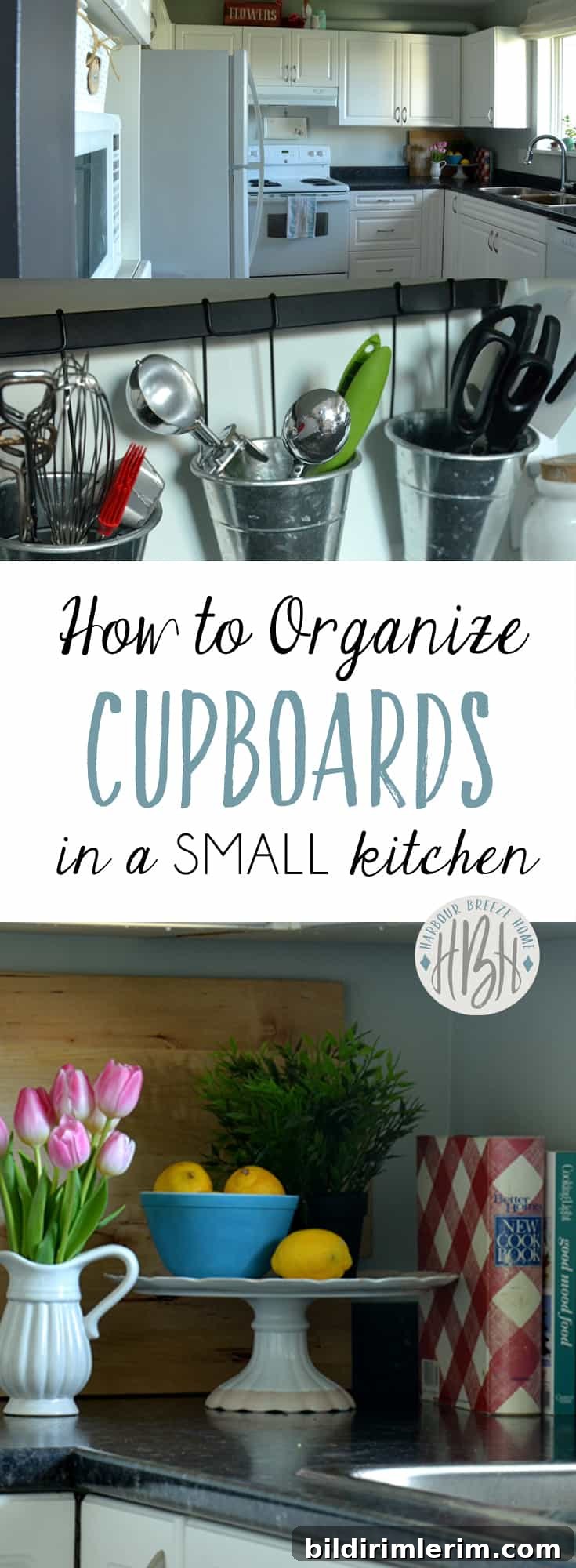
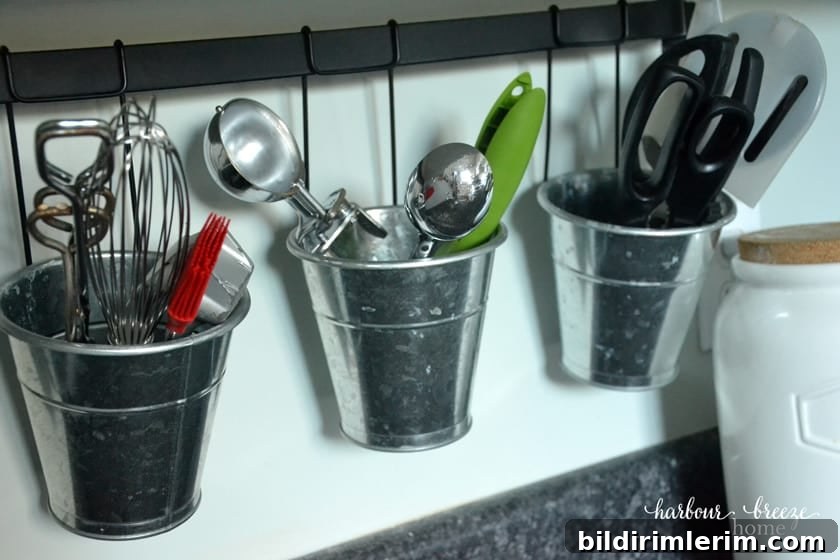
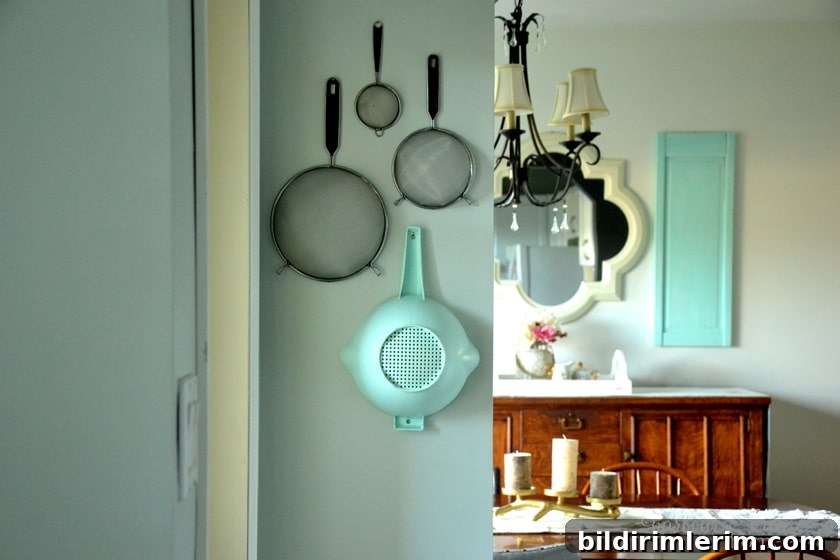
Walls are valuable real estate. Hang frequently used tools, strainers, or an organizer to free drawer space and keep tools visible and easy to grab.
Maximize limited drawer space
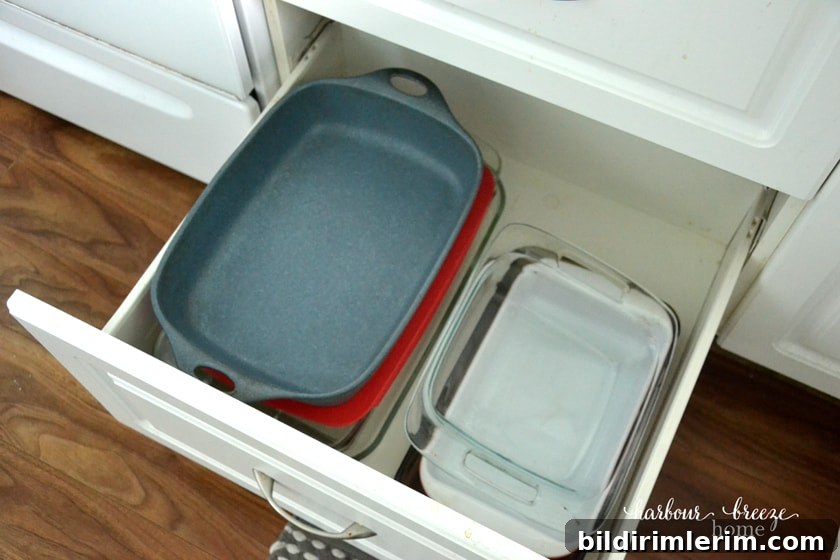
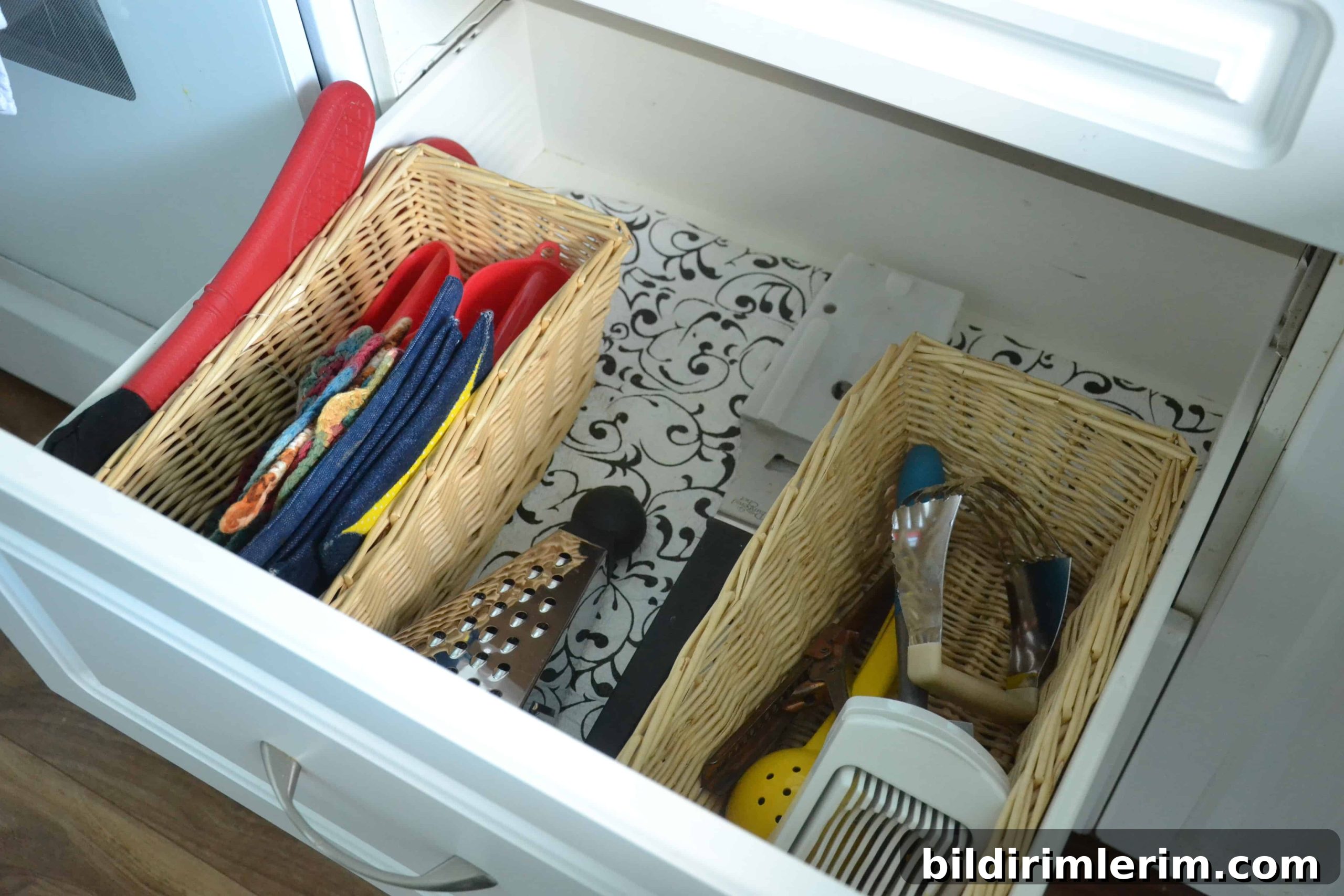
With only a few drawers, choose contents carefully. Reserve one for silverware and daily tools, another for potholders and odd-shaped utensils, and a third for baking pans or trays. Drawer dividers and simple organizers keep things from cascading into a jumble.
Use creative containers for specific problems
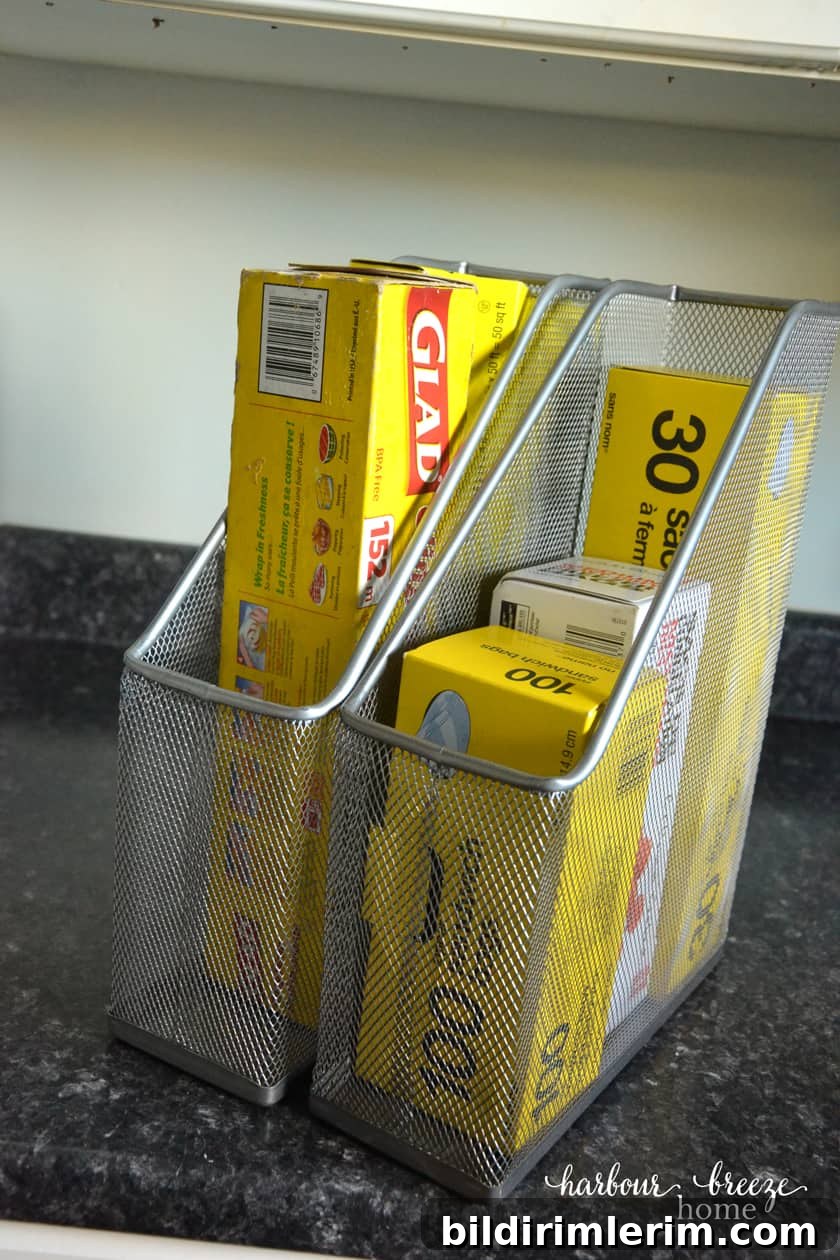
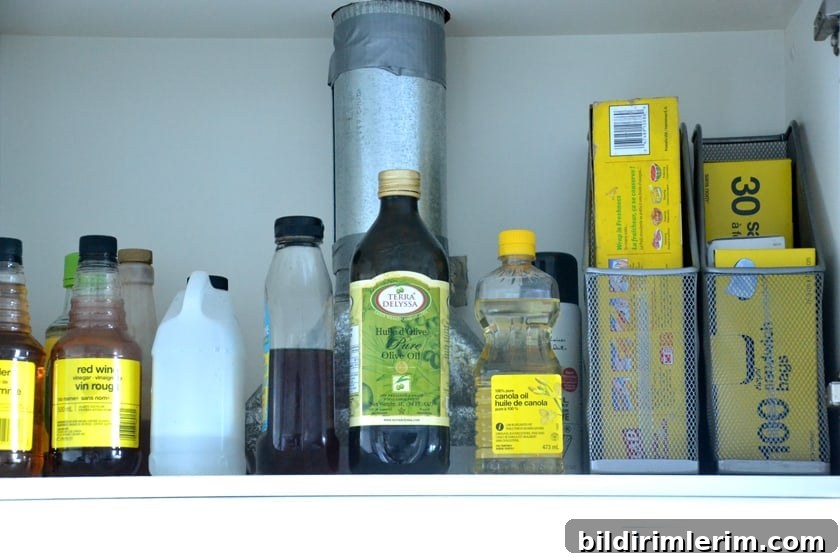
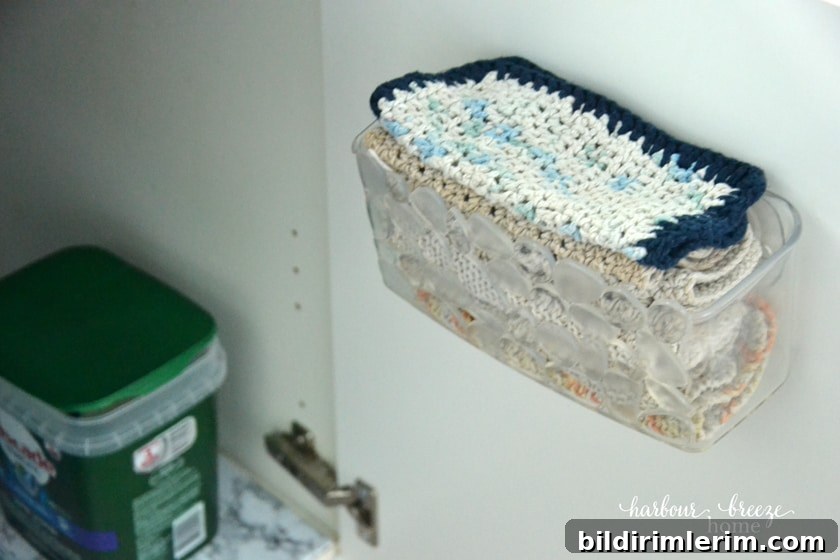
Repurpose inexpensive items for clever organization: magazine holders hold foil, plastic wrap, and parchment; a shower caddy repurposed inside a cupboard door works great for sprays and cleaners under the sink. Small changes like these reduce clutter and make daily tasks smoother.
Add decorative touches that reflect your style
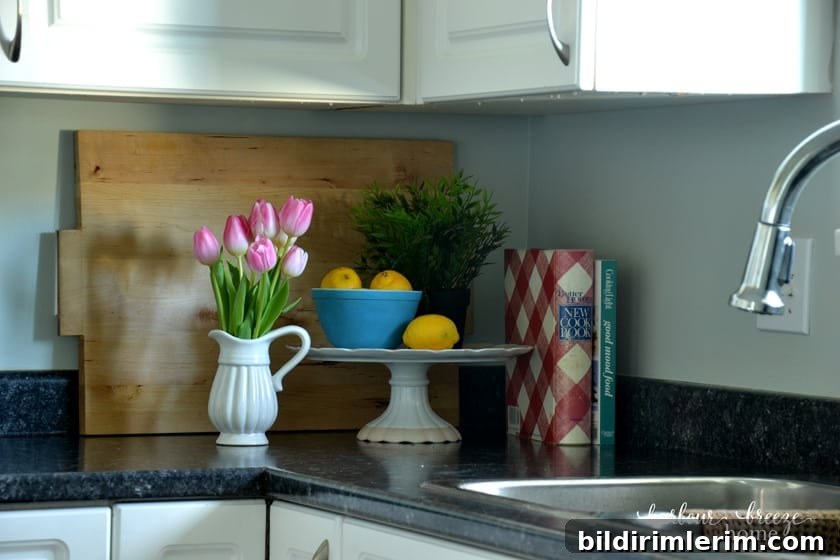
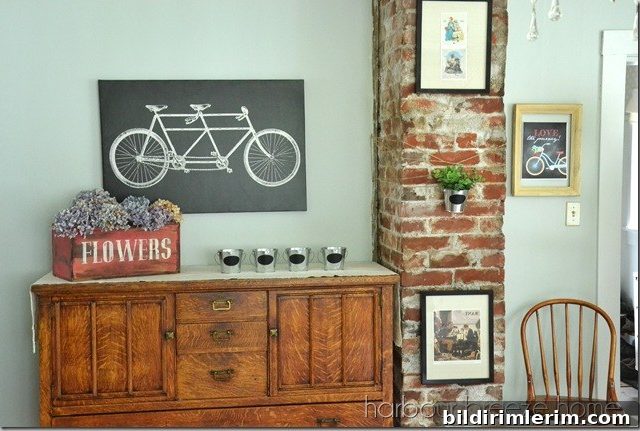
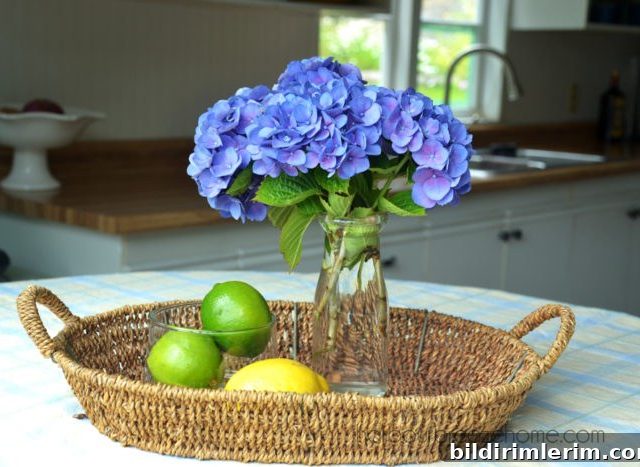
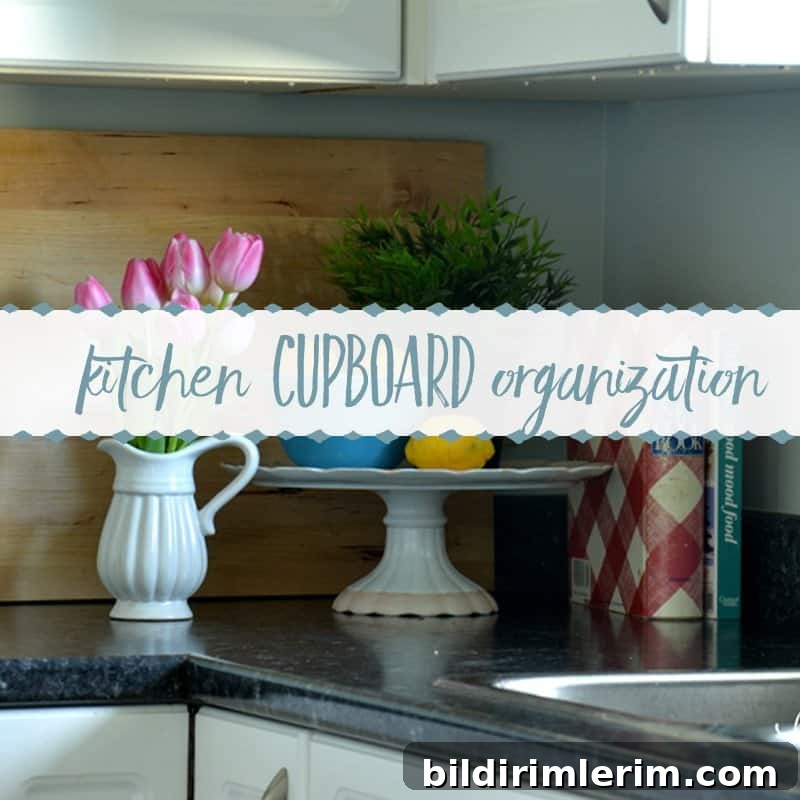
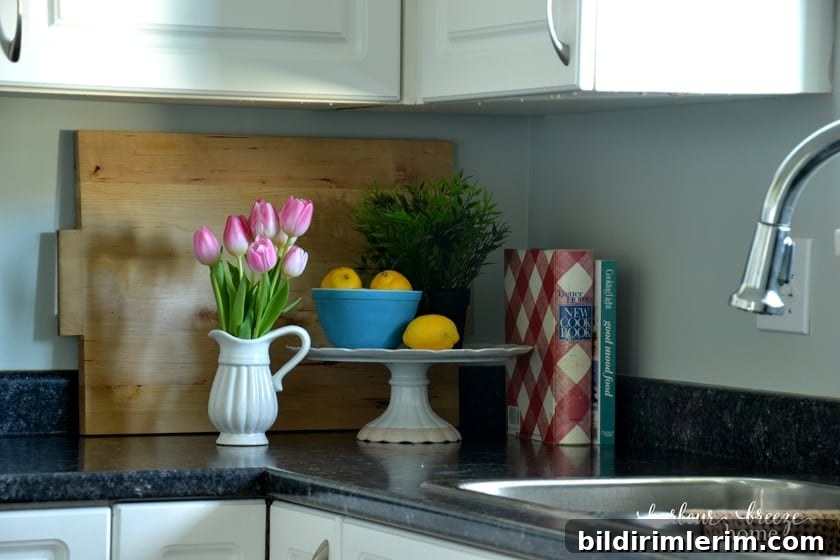
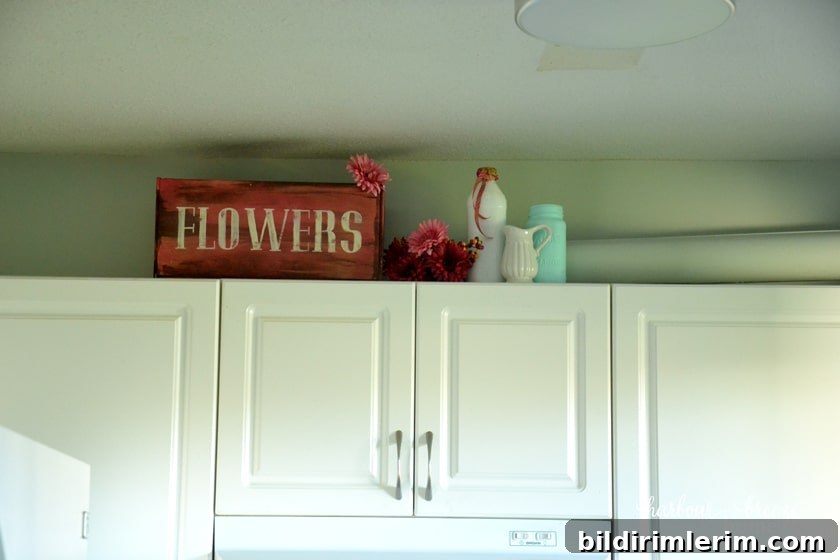
Once function is in place, add a few decorative accents — a cake stand with fruit, a small vase of flowers, or a colorful basket — to make the kitchen inviting. Simple finishes, like painting an awkward vent to match the wall color, can help features blend in.
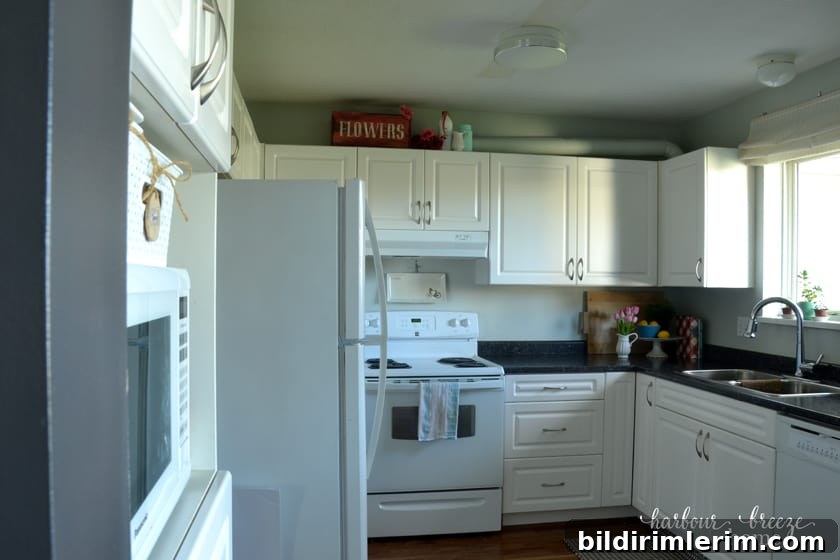
Getting the kitchen organized makes daily life easier and more enjoyable. If decluttering feels overwhelming, a simple checklist and a few focused sessions can make a big difference.
Resources mentioned: a free printable decluttering planner and a home organization series with 15-minute daily tasks, printable checklists, and room-specific tips are available from the author for anyone who wants a guided start. Other helpful topics include pantry organization for small kitchens, Ikea organization ideas, clever storage solutions for tight spaces, and general home organizing tips.