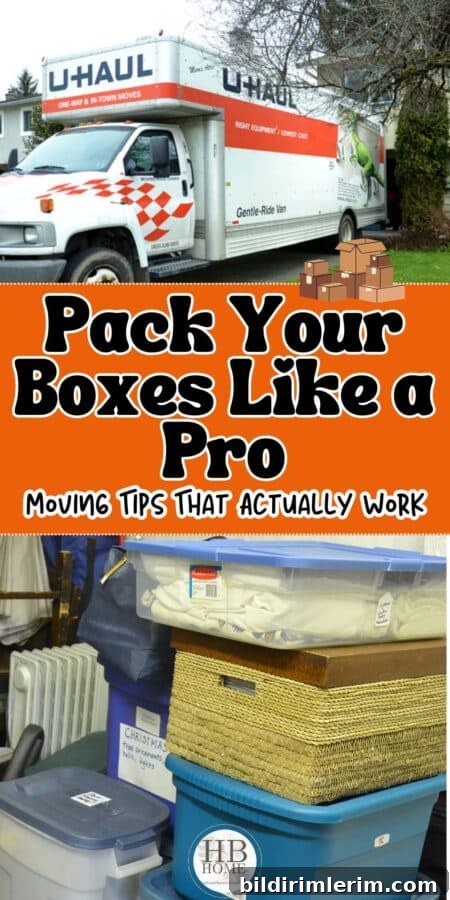
If moving makes you anxious, this practical guide will help. A seasoned mover and parent shares clear, tested tips for packing, labeling boxes, cleaning your old home, and getting through moving day with your sanity intact. Learn how to pack fragile items, what to pack in your “first night” box, how to divide tasks, and other real-life tricks that will save time and stress on moving day. Save this for your next move!
Our moving experience and expertise
My husband and I have moved many times over the years, so I speak from experience. Since leaving my childhood home and following my husband north over three decades ago, we’ve lived in ten different houses and spaces. That amount of moving has taught me a lot about the logistics, the emotional side, and practical strategies that make the process easier.
For many years we worked at a year‑round camp and retreat center, observing thousands of people arrive and leave. That gave us a unique perspective: some left everything organized and tidy, while others left a pile of unwanted items behind. Both scenarios taught valuable lessons about planning, responsibility, and preparation.

Before we dive into the checklist, know that hiring a professional moving company is an option if your budget permits. Full-service movers can handle packing and transport for you—just vet companies carefully to avoid scams. Other options include renting a moving truck, borrowing a vehicle from friends or family, or using your own car for smaller moves such as a student heading to college.
Ready to get started? Grab a pen and paper. Below are the A–F essentials and additional tips to guide your planning and keep moving day under control.
1. Ask: define your ideal moving day
There are many moving parts to a move, so begin by imagining the end result. What does your ideal moving day look like? Is it calm, organized, and efficient, or hectic and spontaneous? Be specific. Answer questions like:
- Who will help on moving day, and what will each person do?
- What vehicle will transport your belongings—rental truck, friend’s truck, trailer—and will it fit everything?
- How prepared will your current home be when movers arrive: everything packed and labeled or still in progress?
- How will you clean the house you’re leaving: yourself, friends, or a professional service?
Your goal should be straightforward: leave your home empty of personal items and clean so you can recover deposits or leave the property ready for the next occupants. From this end goal, work backward and create a step‑by‑step timeline so nothing is left to last‑minute decisions.

2. Be clear about roles and responsibilities
Moving often strains relationships if tasks and expectations aren’t communicated. Don’t assume your partner or helpers know what you want—discuss details and divide responsibilities clearly. If friends volunteer, give them specific tasks and simple instructions so they can help effectively.
In our household, I handle packing and organizing household items, while my husband handles logistics: trucks, dates, rental agreements, and coordinating strong helpers. Assign roles that match people’s strengths and preferences. One important rule: never discard someone else’s belongings without their permission.

3. Commence packing earlier than you think
Start packing well before moving day to avoid frantic last‑minute decisions. Collect boxes from grocery or liquor stores, or purchase moving boxes from a retailer. Early packing reveals how much you own and gives you time to pare down belongings.
Sort seldom‑used items first and separate belongings into four categories: throw away, sell, donate, and pack. Handle disposals and donations immediately—clearing space creates momentum and reduces clutter you’ll need to move.
If you find decluttering overwhelming, focus on storage areas and work methodically through shelves, bins, and closets. Developing a schedule—room by room—keeps the process manageable.
4. Diligently label moving boxes so unpacking is faster
Clear labeling saves hours on the other end. Label each box with the room it belongs to and a short description of contents. Consider color‑coding boxes by room so movers can place items in the correct spaces without asking. If you like detail, keep a master inventory list that maps box numbers to contents, though this can be time‑consuming.
5. Extra care when packing fragile and heavy items
Use soft household items—dish towels, aprons, linens—as padding to protect fragile dishes and glassware and to save on packing materials. Pack boxes snugly so items don’t shift; use newspapers, tissue, or bubble wrap for added protection.
Pack books in small boxes to avoid heavy, awkward loads. Place heavy items on the bottom of boxes and lighter, fragile items on top. Fill boxes completely so they close securely; half‑filled boxes take up more space and complicate truck loading.

6. Find the right solution for after‑move cleaning
Clearing your home of all belongings is a huge accomplishment, but the job isn’t done until it’s clean. If you can, do some cleaning as you pack each room to reduce the final workload. Deep cleaning at the end can be exhausting, so consider hiring professional cleaners if your budget allows or if your moving schedule is tight.
If friends offer to help with cleaning, accept their help but be realistic about standards—ultimately the responsibility for a thorough clean is yours. Scheduling professional carpet cleaning or a move‑in cleaning for the new home can make the first days more comfortable and help you settle in quickly.
Other moving tips and tricks
- Pack a “first night” box and keep it in your car. Include bedding, pajamas, toiletries, a roll of toilet paper, coffee supplies, basic kitchen items, and anything you’ll need for the first night and morning.
- Create a living‑room‑in‑a‑box with essentials to quickly assemble one welcoming room right away—having an instant comfortable space helps reduce stress.
- Expect at least one thing to go off plan—flexibility helps. Keep a calm mindset and pivot as needed.
- If you’re downsizing and can’t decide what to let go, consider a short‑term storage unit to buy time while you sort. Downsizing is far tougher than moving into a larger space.
- Keep important documents handy—paper or digital—so you can quickly access rental agreements, property information, moving contracts, and other critical records.
Our moving stories
Over the years I’ve written about a few of our moves and gathered practical lessons that worked—or didn’t. If you document your own move, you’ll build a personalized playbook that makes future moves much easier. Save helpful tips, photos, and checklists so you can refine your process next time.
Pin this to remember later
Share these tips with a friend who’s moving or keep this guide handy for your next move. Thoughtful planning, clear roles, early packing, and smart labeling will make your moving day far less stressful and much more efficient.