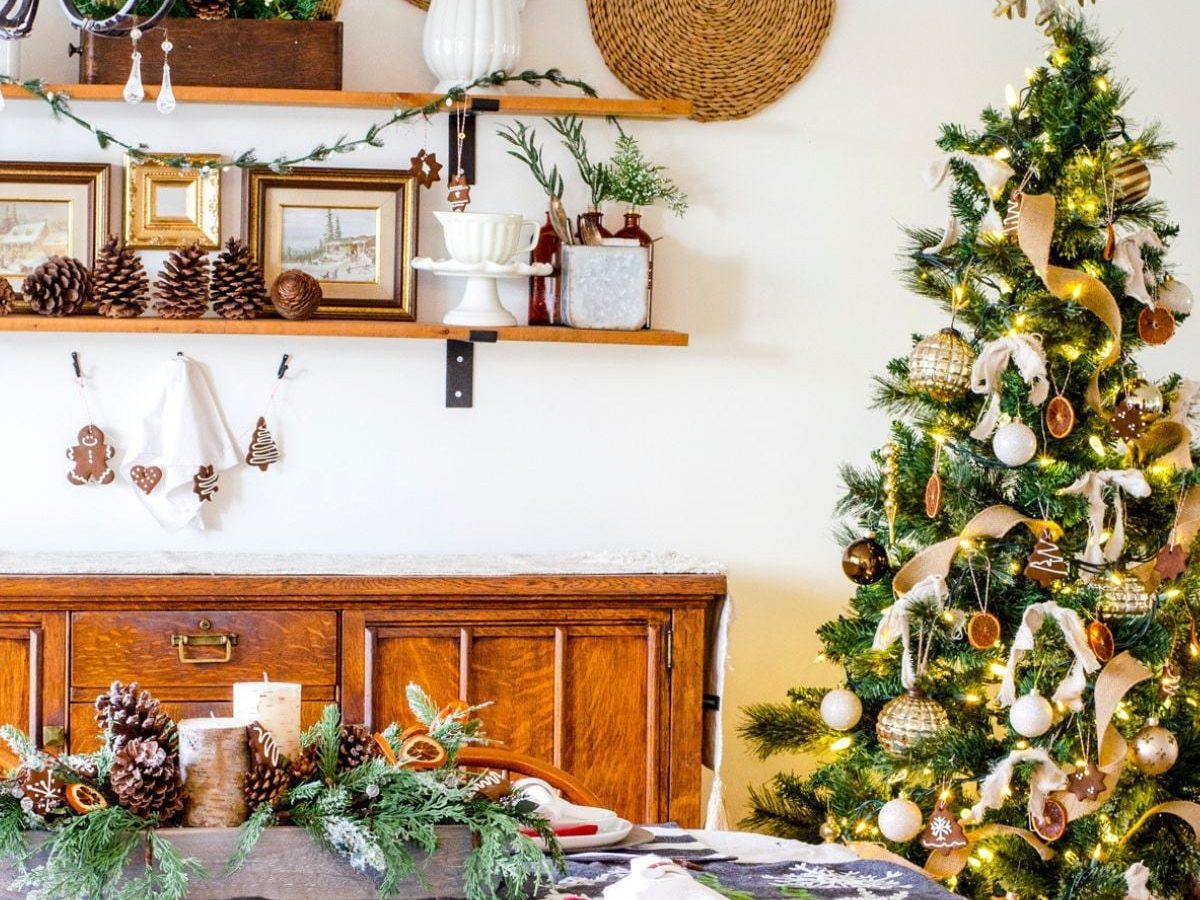
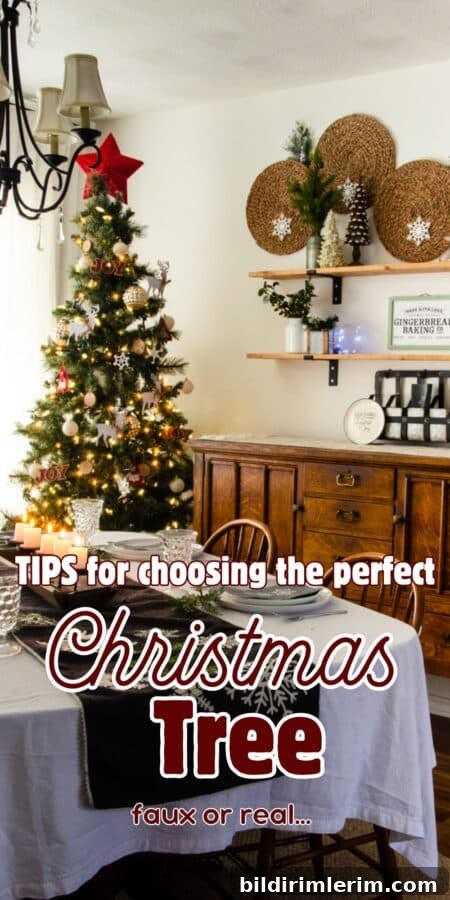
Whether you prefer a real fir or a faux evergreen, this guide offers practical, down-to-earth tips to help you choose the best Christmas tree for your home. Learn the pros and cons of each option, along with real-life stories and useful care advice to keep your tree looking its best all season.
Listen to this on the Harbour Breeze Home Podcast!
What Is a “Perfect Christmas Tree”?
The idea of a “perfect Christmas tree” changes depending on who you ask. For some it’s the fresh scent of a real tree, for others it’s the convenience and longevity of an artificial tree. Couples and families often find their opinions differ not only on the style of tree but also on when to get and set it up.
I grew up in Montana where my grandparents always put their tree up right after Thanksgiving. That meant glowing lights and Christmas decor as soon as the turkey leftovers were put away. My husband, on the other hand, loved the idea of cutting a fresh tree in the woods. When we married, those differences led to one memorable first-Christmas adventure—and a lesson in timing and tree care.
Our first married Christmas involved tromping into snowy woods, sawing down a tree, dragging it to the car and strapping it on the roof. It was a romantic scene—right out of a holiday movie—until we disagreed over lights, then watched the needles begin to drop as the tree dried out. From that season onward, we learned some hard-won lessons about choosing, securing, and caring for a real tree.
Tips for Choosing and Using a Real Christmas Tree
If you love the look, aroma and tradition of a live tree, these tips will help you pick a healthy specimen and keep it fresh through the holidays.
Choose the Right Species
Fir and pine varieties generally hold needles better than some other evergreens. Avoid hemlock if you want needle retention—many hemlocks shed quickly once cut.
Measure Your Space and Secure the Tree
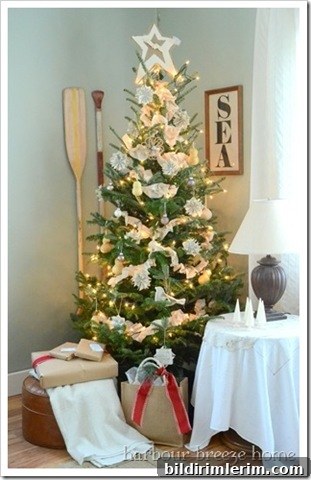
Measure the height and width of the spot where the tree will sit before you buy it. Once inside, position the tree so it fits comfortably and won’t block walkways or vents. Secure taller trees to a wall or ceiling with discreet ties to prevent tipping—especially in homes with active kids or pets.
Watering Is Essential
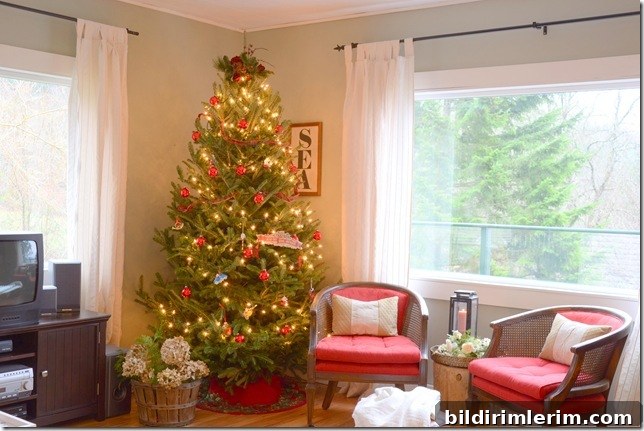
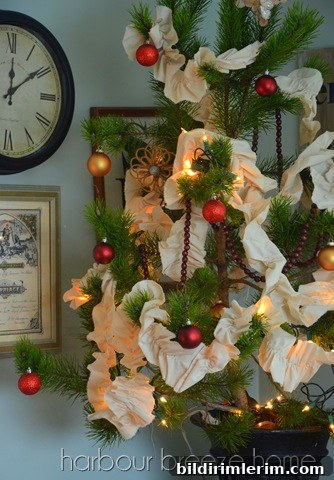
Cutting a fresh slice off the trunk when you get home helps the tree absorb water. Use a sturdy tree stand that holds an adequate water supply and refill it daily—real trees can drink a surprising amount. Keep the tree away from heat sources such as fireplaces, wood stoves, and direct sunlight to reduce drying and fire risk.
Other Real Tree Tips
- Choose a tree with bright green needles and no brittle branches—those are signs of freshness.
- If the tree has already been cut for a while, re-cut an inch or two from the base so it can take up water.
- Keep fire safety in mind: use cool-burning LED lights, check cords for damage, and keep a fire extinguisher handy.
- Plan disposal in advance—many communities offer tree recycling or mulching programs. Local farms or animal programs sometimes accept trees for wildlife feed or habitat use.
Real or Faux? Choose Based on Your Season of Life
We used real trees for many years—sometimes hand-cut in the woods, sometimes purchased locally. Real trees are beautiful and smell wonderful, but they require work: hauling, setup, daily watering, and disposal. If those tasks fit your priorities and schedule, a real tree may be the right choice.
When we moved into a strata-managed townhouse with fire-safety rules that prohibited live trees, we switched to an artificial tree. Over time I’ve come to appreciate the convenience and low maintenance of faux trees. The best choice depends on your lifestyle, space, budget and whether tradition or ease matters more this year.
Tips for Choosing a Faux Christmas Tree
Artificial trees can be very realistic, practical, and cost-effective over time. Here’s what to consider when shopping for a faux tree:
Measure Before You Buy
Just like with a real tree, measure the intended spot so your tree fits comfortably without crowding the room or ceiling fixtures.
Pre-lit or Untangled?
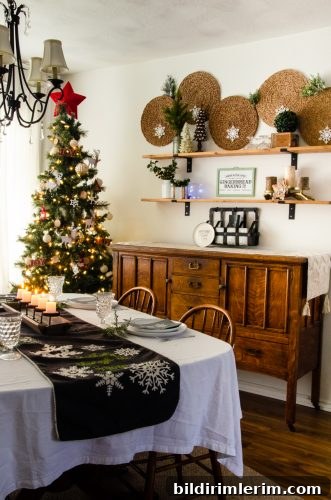
Decide if you want a pre-lit tree. Pre-lit models save time and hassle, but built-in lights can fail over the years and might be harder to replace. Untangled trees give you full control of lighting style and repair flexibility.
Space-Saving Options and Styling Tricks
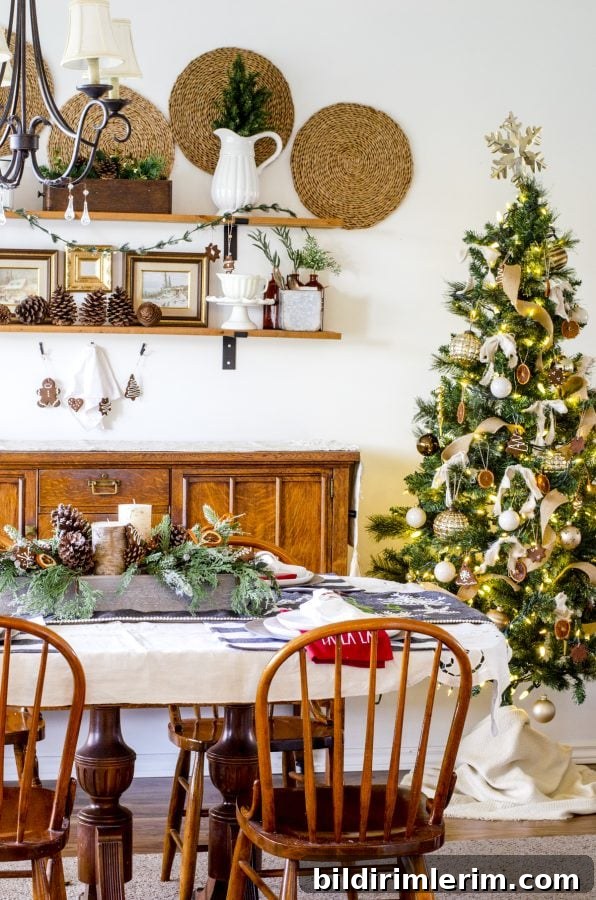
If you have a small home, consider slimmer “slimline” trees that take up less floor space while still giving you a full look. You can also raise a short tree on a box or low table covered with a tree skirt or blanket to create more presence and extra gift-storage space underneath.
More Practical Faux Tree Tips
- If you buy an unlit faux tree, consider layering in a strand or two of clear, twinkling LED lights for depth and sparkle.
- Watch for seasonal sales—artificial trees often go on discount before and after the holidays.
- Store your faux tree properly between seasons in a labeled box or bag to keep branches and lights in good condition.
Share Your Christmas Tree Story
Do you have a memorable, funny, or heartwarming Christmas tree story? I’d love to hear it. Share your experience in the comments below—whether it involves a tree that fell over, a cherished family tradition, or a surprisingly perfect bargain find.
For more seasonal ideas, recipes and home inspiration, consider subscribing to the newsletter to get printable resources and updates.