In this article: Practical tips and time-saving strategies for cooking for two during midlife — making meal prep easier, less wasteful, and more enjoyable.
Cooking for two can feel like a big adjustment. Whether you’re an empty nester scaling back from feeding a household of many, a newly married couple starting out, or a pair of friends sharing a kitchen, the shift from larger batches to meals for two requires a few practical changes. With a little planning and a few smart habits, you can simplify mealtime, reduce waste, save money, and enjoy more variety in your menu.
Top practical tips for cooking for two
- Plan ahead. The single best way to cut stress and save time is to plan your meals. Spend a few minutes each week mapping out breakfasts, lunches, and dinners. A simple meal plan with a short grocery list helps you avoid impulse purchases, reduces food waste, and eliminates the daily “what’s for dinner?” question. You don’t need an elaborate system — a basic template or a notepad works fine.
- Cook once, eat twice. When you prepare a meal, make enough for an extra dinner or two. Many dishes freeze, refrigerate, or reheat well and become even more convenient the second time around. Batch-cooking staples like soups, stews, casseroles, and braised dishes gives you ready-made dinners on busy nights.
- Use your freezer strategically. The freezer is a key ally when cooking for two. Freeze extra portions in meal-sized containers, label them with contents and date, and rotate through them. Freeze raw proteins in portioned packages, pre-marinated or separated into single- or double-serving bags to streamline grilling or roasting days.
- Choose appropriately sized bakeware and storage dishes. Instead of large 9×13 pans, use smaller pans and containers made for two — 8×8, 9×9, or a few small square pans. Bakeware with lids makes storage easier and reduces dish-washing. Smaller dishes help you make the right amount and prevent leftovers you don’t want.
- Experiment with new recipes and healthier options. With fewer people to please, it’s an ideal time to try new flavors, spices, and lighter recipes. Rotate theme nights (e.g., Mediterranean Monday, Taco Tuesday) or try one new recipe each week to keep meals interesting without overwhelming your routine.
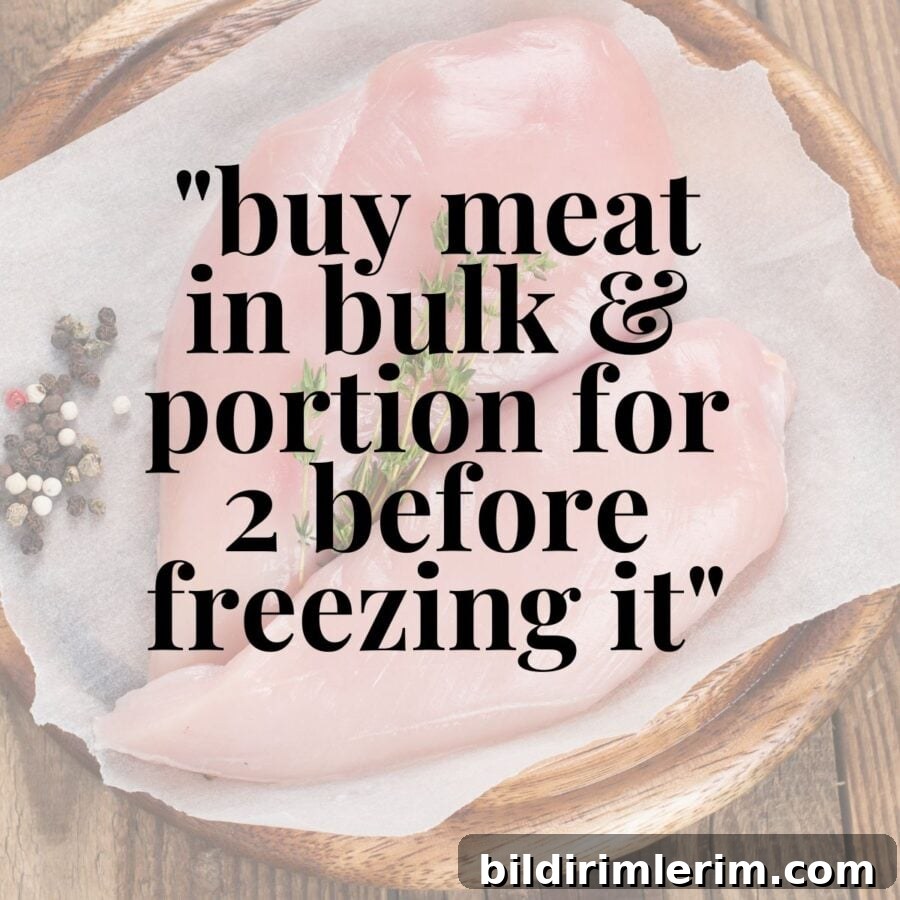
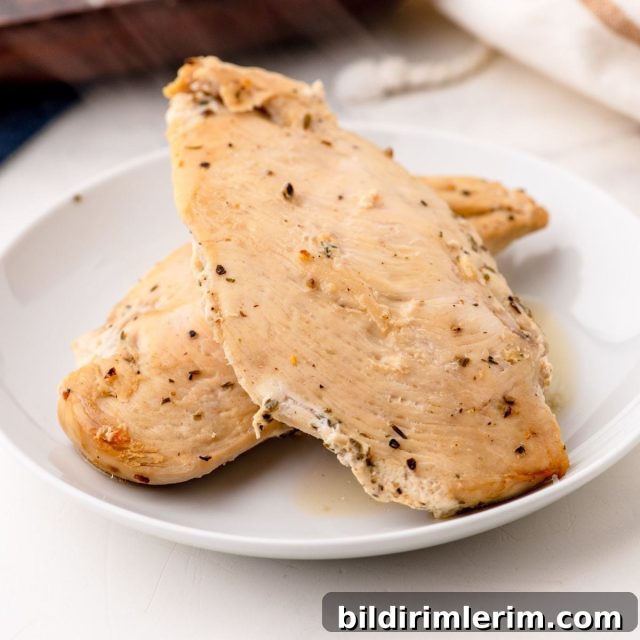
- Buy meat in bulk and portion for two before freezing. Buying larger packs and dividing them into meal-sized portions saves money and time. Portion ground meat, chicken breasts, or steaks into two-serving bags, label and freeze. If you like marinated proteins, add marinade to the bag before freezing so everything is ready to cook straight from the freezer.
- Keep a stocked pantry for quick meals. Maintain a small selection of long-lasting staples that let you assemble a fast dinner: dried pasta, rice, canned tomatoes, canned beans, stock or bouillon, olive oil, a few dried herbs and spices, and a jar of something like pesto or curry paste. Frozen vegetables are also lifesavers for adding color and nutrients quickly.
- Learn to scale recipes and do the math ahead of time. Halving a recipe is often easy, but some ingredients (spices, cooking times, thickening agents) need a little adjustment. If a recipe serves four or six, divide amounts to suit two. For baking or sauces, measure carefully and consider making a test run if you’re unsure.
- Embrace leftovers as planned meals. Leftovers can be part of your meal plan instead of an afterthought. Turn last night’s roast into sandwiches, salads, or grain bowls. Pair leftovers with a fresh side salad or steamed vegetable to make a balanced second meal without extra work.
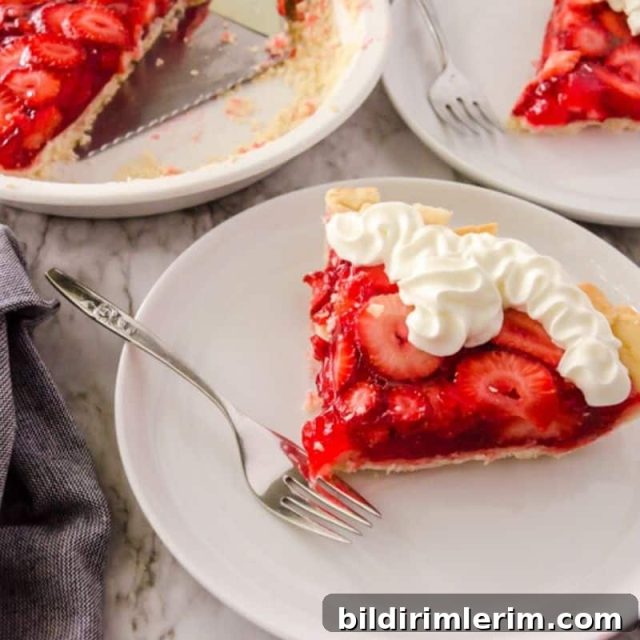
- Keep some convenient “treat” items on hand. Even with a regular meal plan, some evenings you’ll want a break. Stock a few high-quality convenience foods—pre-cooked frozen entrees, pizza, or ready-made sides—that let you relax without resorting to takeout every time.
Additional small habits make a big difference: label and date freezer packages, rotate older items to the front, use airtight storage to preserve quality, and choose one- or two-pot recipes to reduce cleanup. Small appliances like a slow cooker or pressure cooker can also stretch ingredients and produce satisfying meals for two with minimal hands-on time.
Do you have other tips for cooking for two? Share your ideas in the comments — we’d love to hear what works best for you.
Happy cooking!