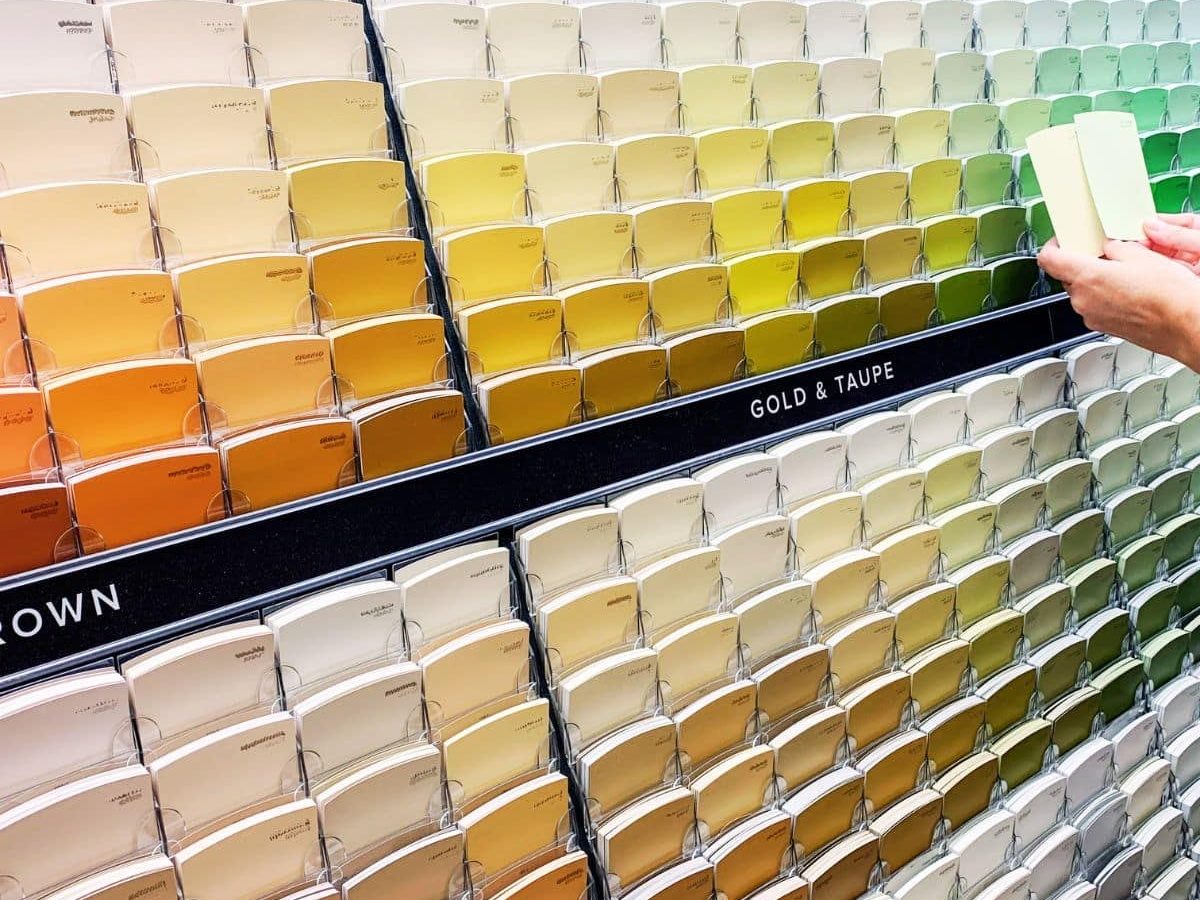
After testing dozens of paint colors over the years, these practical tips finally made choosing the right color simple — including the white that transformed our dark townhouse.
Choosing paint is equal parts exciting and nerve-wracking. Over the years I’ve lived in several homes and painted dozens of rooms, and I’ve learned a few reliable strategies that take the guesswork out of picking a color.
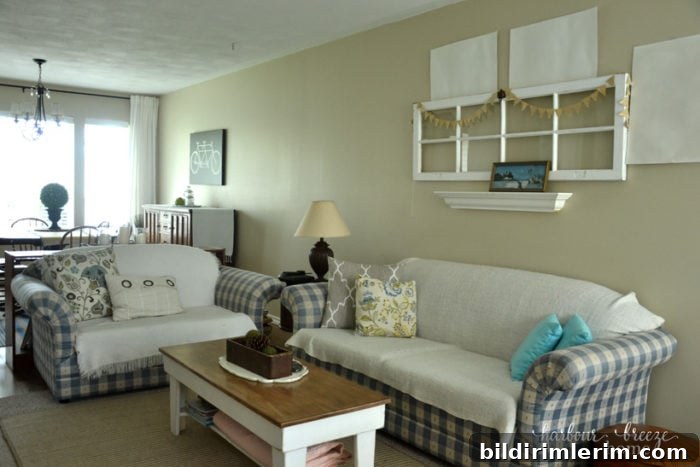
When we moved into our current townhouse ten years ago, every wall was a medium tan that made the space feel small and gloomy. I’m not afraid of color, but this house needed something different. After sampling many shades, we chose Simply White by Benjamin Moore — a white that brightened the rooms and created a warm, cozy atmosphere in a house with limited natural light.
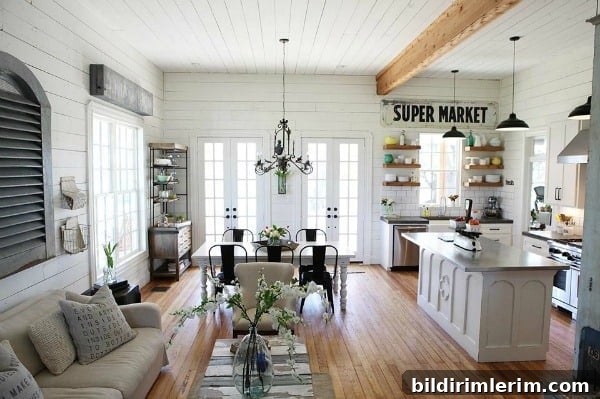
Ten years later I’m repainting not to change the hue but to refresh the walls, and I’m using Simply White again. It’s not a dramatic makeover each time, but it reliably delivers the light, airy feel this home needs.
If you’re choosing a paint color now, I understand the pressure — paint can be expensive and you want it to feel right. Below are my top, practical tips gathered from years of painting many rooms in different homes.
1. Learn from designers and trusted sources
Designers work with color daily and develop a strong sense of what creates the mood you want. Browse curated spaces on Pinterest or design feeds and save rooms that make you feel the way you want your home to feel. Those images reveal patterns — particular whites, warm neutrals, or muted tones that consistently create the atmosphere you prefer.
Pay attention to recurring shades in rooms you love. For example, the warm, inviting whites I noticed in many photos helped me identify Simply White as the right choice for a low-light interior. Trust your eye; it will guide you toward the palette that suits your home.

2. Always view a color in your actual space
This is the single most important tip: a paint chip at the store rarely looks the same on your wall. Natural light, room size, flooring, and furnishings all alter how a color reads. Test a shade in the space where it will be used before committing.
A reliable method: buy a sample pot and paint a large piece of white poster board or a section of wall. Move that sample around the room and observe it at different times — morning light, afternoon sun, and artificial light in the evening. Seeing the color under varied lighting prevents surprises and helps you choose the shade that truly works in your home.
Spending a few extra dollars and an afternoon on samples is well worth it.
3. Relax — it’s paint, not a lifetime sentence
Paint is changeable. If a color doesn’t feel right after a wall is finished, you can repaint it. That flexibility should reduce the pressure when choosing a shade. Often you need to see a full wall or the entire room before you can decide whether a color works. Give yourself permission to adjust if needed.
Allowing for the possibility of change makes the selection process less stressful and more experimental, which often leads to better results.
4. Finish the room before making a final judgment
Don’t judge paint mid-project. Reintroduce at least some furniture, textiles, and accessories before deciding. Throw pillows, curtains, rugs, and even a plant or fresh flowers can transform how a color reads and help you see the completed look.
The whole room matters — wait until a few favorite elements are back in place before deciding whether to keep or change the paint.
Choosing paint colors gets easier with practice
Selecting paint is a skill that improves the more you do it. Trust your instincts, test colors in the actual space, and be willing to tweak if something doesn’t feel right. With these simple steps — learning from design examples, sampling in context, staying flexible, and completing the room — choosing the right paint becomes much less daunting.
More paint color tips from real projects
If you’re curious about the full story of how Simply White changed our first living room here, I documented the original project on my blog with a complete before-and-after and practical notes from the process.
Before you start, prepare with a painting supplies checklist so you have everything on hand — drop cloths, quality rollers, brushes, painter’s tape, and sample pots. Proper preparation speeds the job and improves the final result.
Want more ideas for your home?
Sign up for a newsletter or follow trusted design sources to receive ongoing tips, project ideas, and realistic advice that can help you tackle paint decisions with confidence.
Pin this to find it later