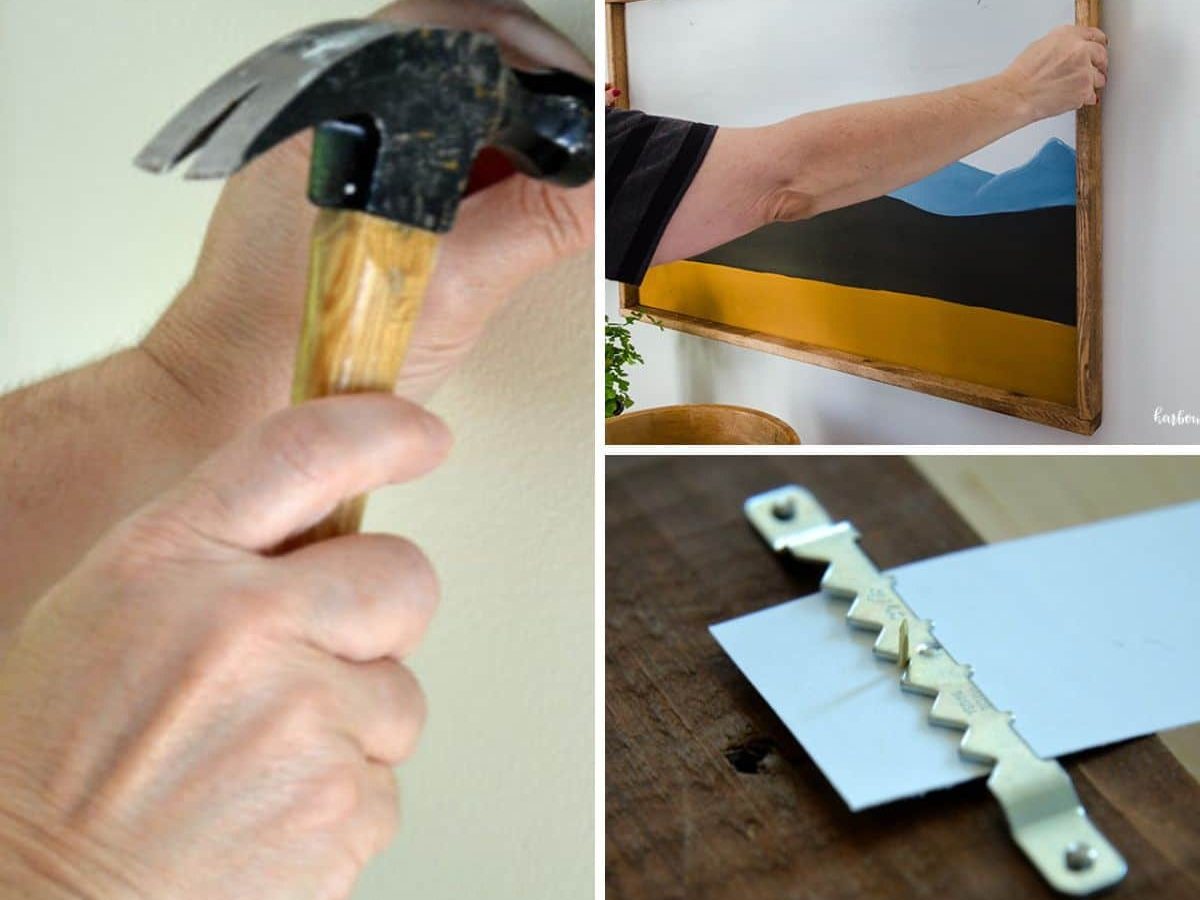
Struggling to hang items on your walls just right? In this article, you’ll find practical, proven tips for picture placement, safely hanging heavy pieces, and installing curtain rods and shelves—so you can avoid the common mistakes many of us have learned from.
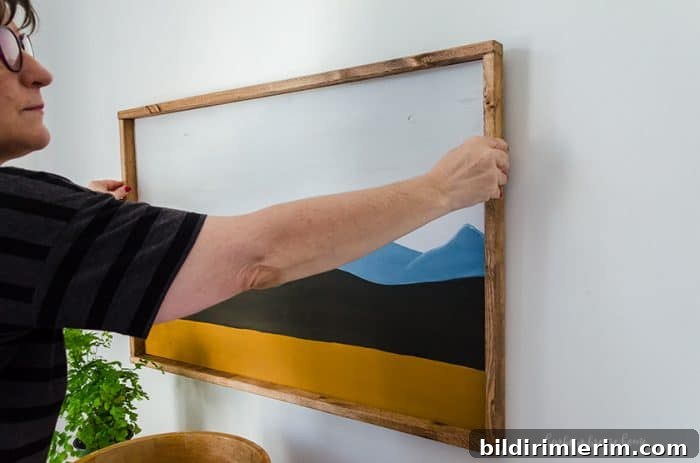
Are You Avoiding Hanging Things on Walls?
You’re not alone. Many people have artwork, mirrors, and other decor waiting on a shelf because they’re unsure how to hang them properly or worry about making holes and mistakes. The good news: with a few simple techniques, hanging items becomes straightforward and even enjoyable.
I’ve Made the Wall-Hanging Mistakes So You Don’t Have To
Early on I wasn’t careful—I hammered nails into old, damaged walls and didn’t think twice. Over time I learned what matters: good placement, the right hardware for the weight and wall type, and how to find studs when needed. Those lessons make every hanging job safer and neater.
Below are clear, usable solutions for common wall-hanging challenges: how to get picture placement right, how to hang heavy decor securely, and how to mount curtain rods and shelves that stay put.
Wall Hanging Tips for Picture Placement
Whether you’re dealing with drywall, plaster, or tile, proper placement matters. These practical hacks help you mark and level art before you commit to a hole.
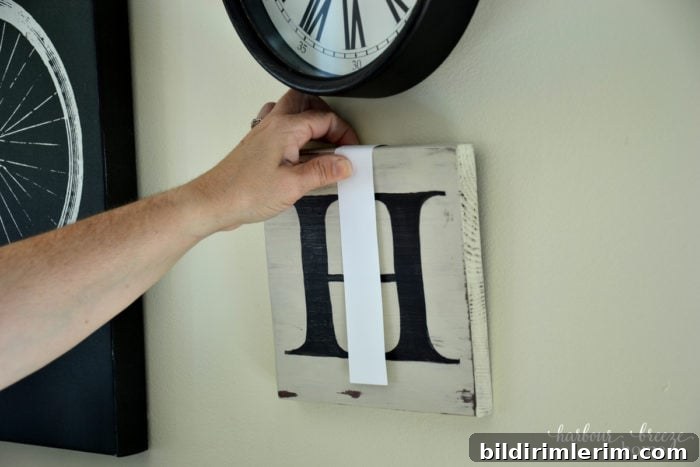
1. How to Hang a Picture — Simple Hack
A quick trick: measure and mark the center of the wall area, then measure from the top of the frame to the hanging point. Transfer that measurement to the wall and use a level to ensure the mark is straight. This method makes hanging with one hanger fast and accurate every time.
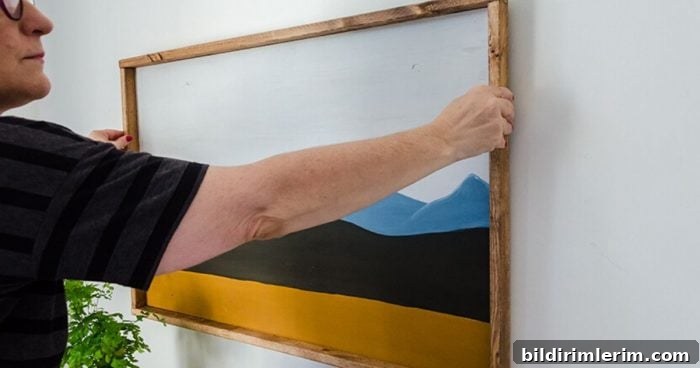
2. Hanging Art with Two Sawtooth Hangers
When art has two hangers, measure the distance between them and mark both points on the wall. Use a level to align the marks so the piece hangs evenly. If you want a little extra support, use wall anchors rated for the weight.
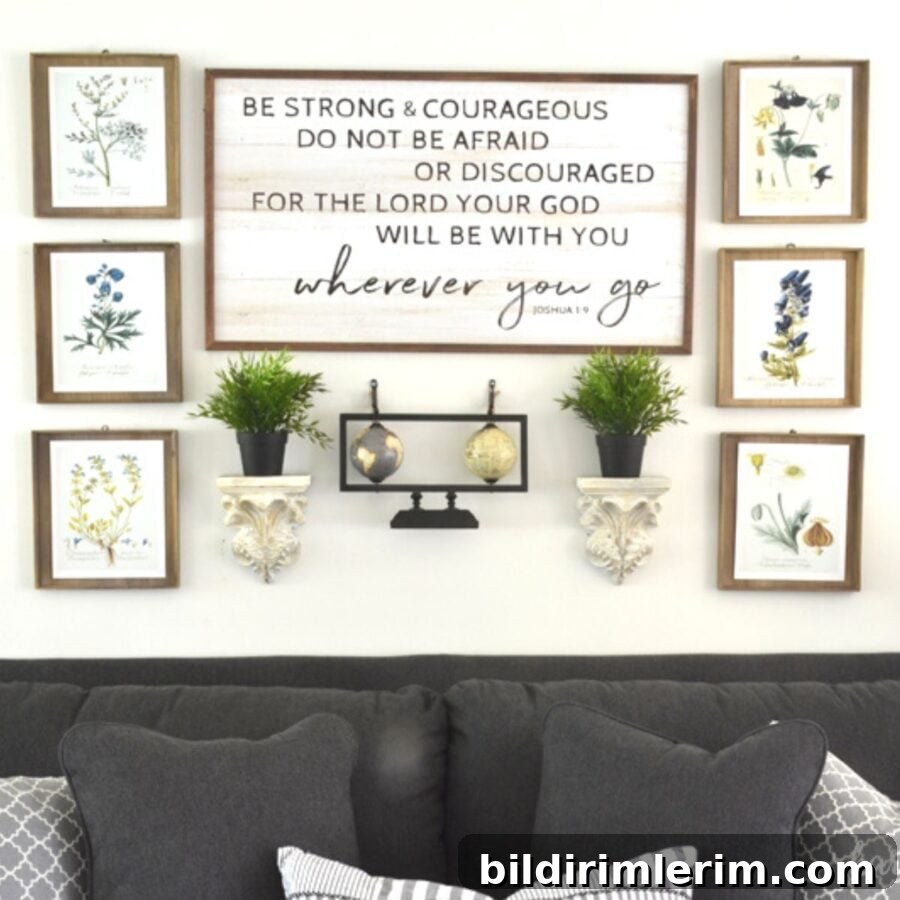
3. Building a Gallery Wall
A gallery wall looks intentional when spacing and scale are consistent. Lay out the arrangement on the floor first, then create paper templates of each frame to tape to the wall. This lets you adjust spacing and alignment before making any holes.
Wall Hanging Tips for Hanging Items Securely
Using the right hardware and simple checks prevents accidents and gives you confidence that your pieces will stay up. Always match anchors and screws to the weight and wall type.
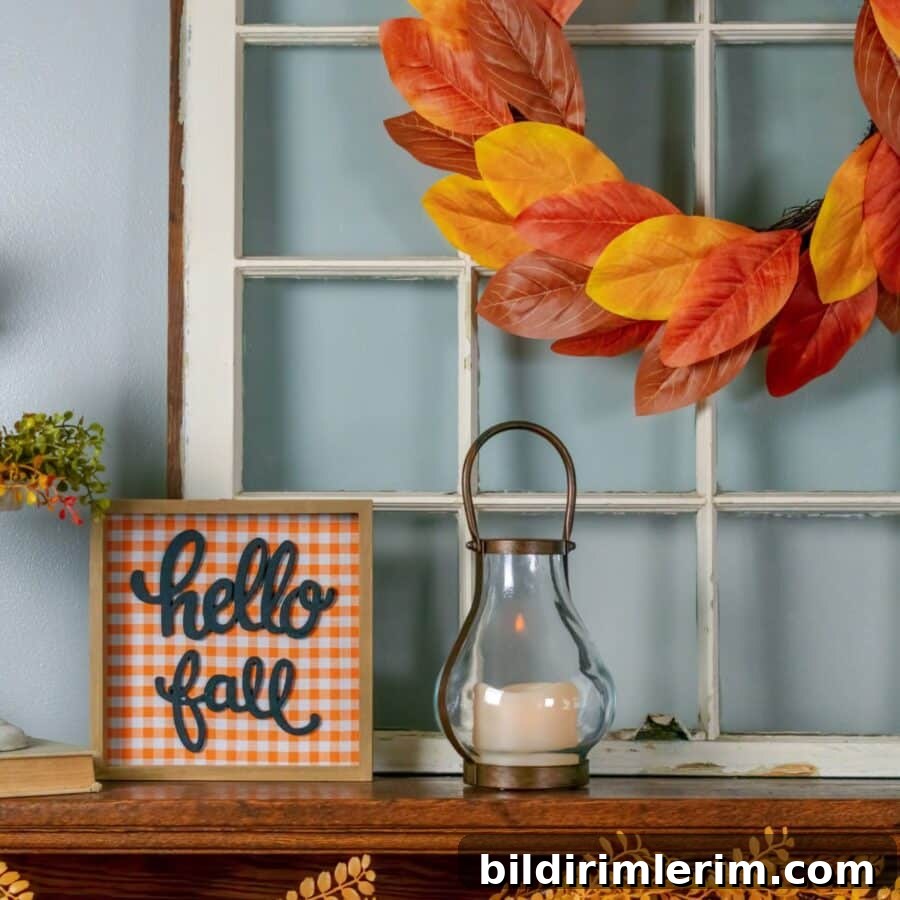
4. How to Hang Heavy Objects with a French Cleat
Large mirrors, headboards, and heavy art benefit from a french cleat system: two interlocking angled pieces of wood or metal that distribute weight across the wall and make hanging secure and adjustable. When installed into studs, a french cleat provides very strong support.
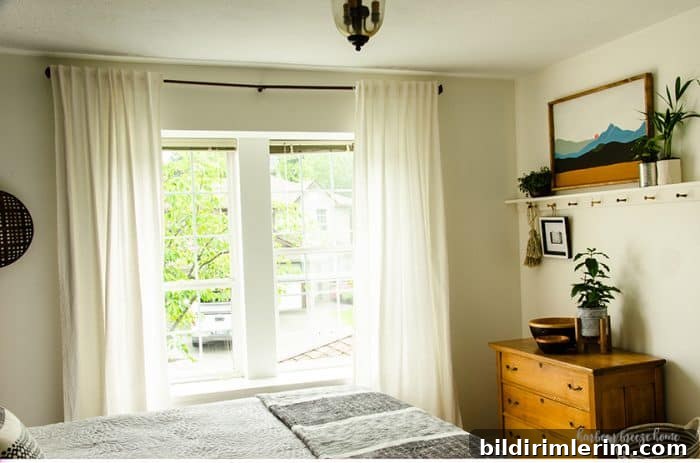
5. Curtain Hanging Made Simple
Hang curtain rods high and wide for a polished look. Mount brackets into studs when possible or use strong wall anchors for drywall. Measure so the rod clears trim and opens fully—this improves light and makes windows feel larger.
Hanging Tips for Shelves
DIY wall shelves are both decorative and practical. Choose mounting methods that match the shelf style and expected load to avoid sagging or failure.
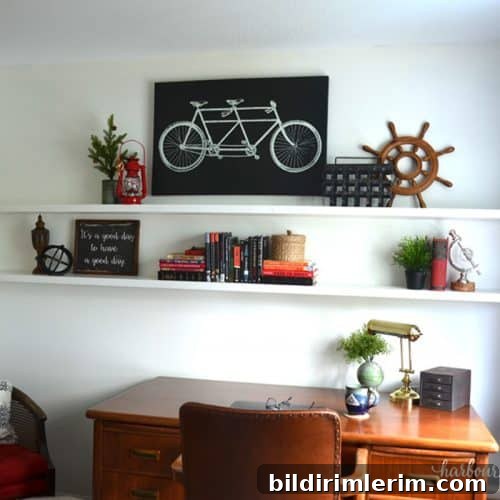
6. DIY Floating Shelves
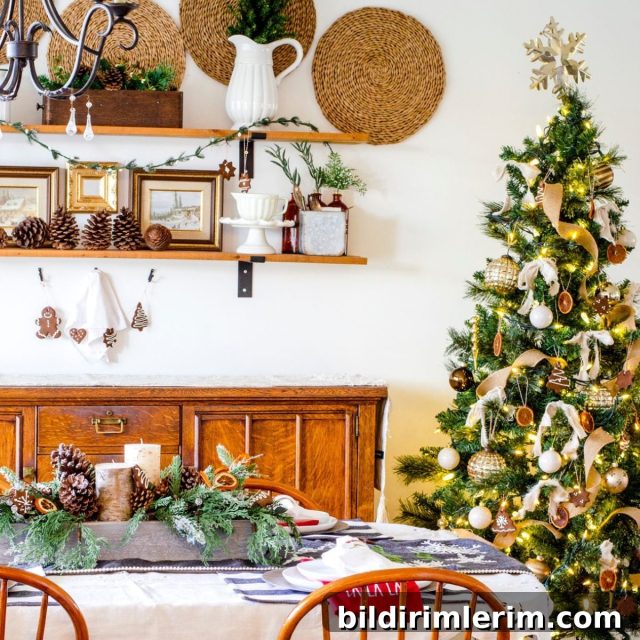
Build inexpensive floating shelves with a solid board and wooden dowels or metal brackets. Mount dowels into wall studs or use heavy-duty anchors for secure support. Proper spacing and a straight level line will keep shelves looking clean and professional.
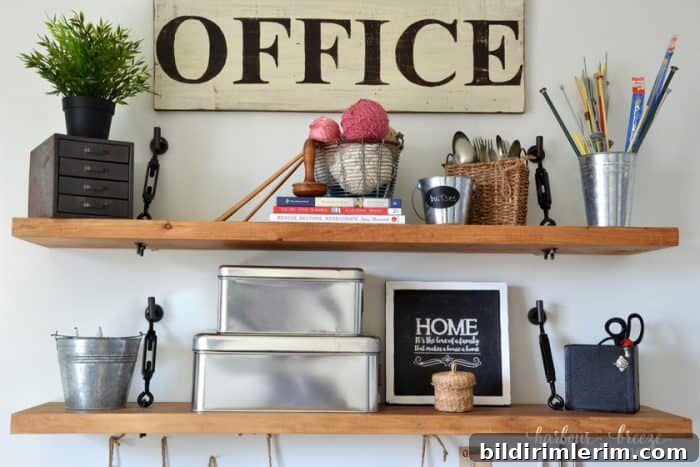
7. Decorative Floating Shelves with Turnbuckle Hardware
Turnbuckles can add both visual interest and extra support for shelves. When installed correctly, they help distribute weight and create a stylish, industrial look above dressers or consoles.
With these tips—measuring carefully, using the right anchors, locating studs when possible, and planning layouts ahead—you’ll feel more confident tackling wall projects. Small preparation steps prevent big headaches later and help your home look finished.
Save These Tips for Later
Get more home tips and seasonal project ideas
Want printable templates or step-by-step checklists for hanging projects? Subscribe to a newsletter or save this article to refer back to the measurement and hardware suggestions when you’re ready to start.