

Can you paint over stained wood? Yes. This guide explains how to paint old, dark-stained wood trim and boards with products and steps that deliver dramatic, long-lasting results.
If you live in an older home, you’ve likely found decades of varnished wood, 1970s paneling, plywood walls, and other dated surfaces. With the right preparation and products, most of those surfaces can be successfully painted. Over the years I’ve learned and tested methods that reliably turn dark, stained trim into a bright, fresh finish.
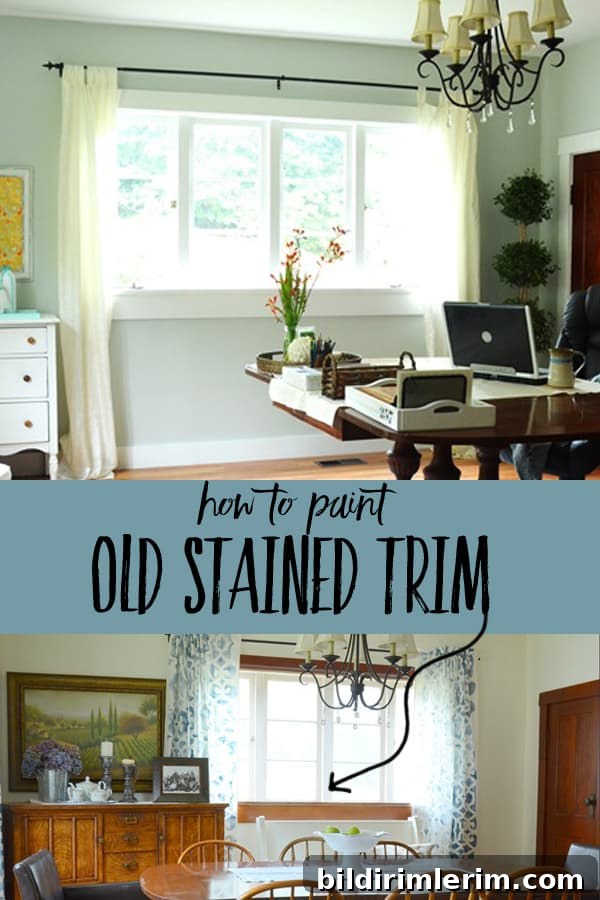
For context, the trim shown here is likely early-20th-century stained fir. The same approach works for many types of stained wood trim and doors found in older houses.
Disclosure: This article may refer to products by name for clarity. No affiliate links are included here.
Supplies needed to paint old stained trim
- Oil-based primer (oil-based stain-blocking primer is essential for most stained wood)
- Latex paint in a semi-gloss or gloss finish for trim
- Basic painting tools: brushes, small roller, painter’s tape, drop cloths
- TSP (trisodium phosphate) or equivalent cleaner for degreasing
- Cleaning bucket, sponge or rag, and rubber gloves
Local paint stores are a great resource when selecting primers and paints. If you have doubts about a specific product, ask the store’s paint specialists and always test on a small area first.
Step-by-step: How to paint over stained wood trim
- Clean the surface thoroughly. Use a TSP and water solution to remove dirt, grease, and grime. TSP is a heavy-duty cleaner sold at hardware stores; it lifts years of buildup that simple soap and water won’t remove. Wear rubber gloves and rinse the area well; you’ll be surprised how dirty the rinse water gets.
- Protect surrounding surfaces. Use painter’s tape to cover glass, hardware, and adjacent walls you don’t want painted. Old magazine pages, paper, or drop cloths work well to protect larger areas. Take care to cover the floor and any furniture nearby.
- Prime with an oil-based primer. This is the critical step. Oil-based primers block tannins and oil bleed from stained wood. If you use a water-based primer on oily or stained wood, the discoloration can seep through and ruin the final color. There are excellent water-based primers that can work on some stained surfaces, but unless you’ve tested and confirmed them on your specific wood, an oil-based primer is the safe choice.
- Apply primer properly. Follow the manufacturer’s instructions. Apply even, thin coats and allow proper drying time between coats. If using a spray primer, work on a warm, well-ventilated day and avoid spraying in cold, damp conditions. Keep windows and doors from accidentally getting sealed shut by overspray or wet paint.
- Topcoat with latex paint. Once the oil-based primer has fully cured, you can use latex (water-based) paint for the finish. Brush or roll two thin, even coats of semi-gloss latex for durability and easy cleaning. Two coats usually give excellent coverage and an even, crisp look.
The payoff is immediate: once stained wood is sealed with an oil-based primer, you can switch to latex paint forever after, avoiding strong-smelling oil-based topcoats. That means you only deal with the harsh solvent smell during priming rather than for ongoing maintenance.
Before and after examples
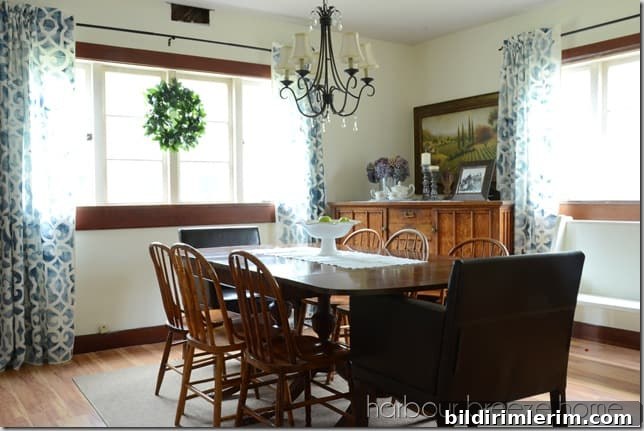
Here’s a dining room example showing the original dark trim and the same room after painting trim and baseboards white. The transformation brightens the space and changes the overall style:
After painting the trim and baseboards, the room feels lighter and more modern:

Tips and troubleshooting
- Always test products on an inconspicuous area before committing to the entire project.
- If a water-based primer has worked for a similar surface in your home, document the product and test it on new areas before skipping an oil-based primer.
- For extensive priming work, use traditional oil-based primer in a paint can for better coverage; spray primer is cleaner but covers less surface per can.
- Allow full curing time for oil-based primer before applying latex paint—rushing this step can lead to adhesion or discoloration problems.
Other painting topics to explore
- How to paint plastic door trim
- Tips for painting straight lines and clean edges
- Advice for painting bedroom walls
- Choosing a coastal-inspired paint palette
- How to paint bathroom tile board
With the right prep and an oil-based primer, painting over stained wood trim is a straightforward way to refresh and modernize an older home. Take your time on cleaning and priming, and the final paint will look clean and last for years.