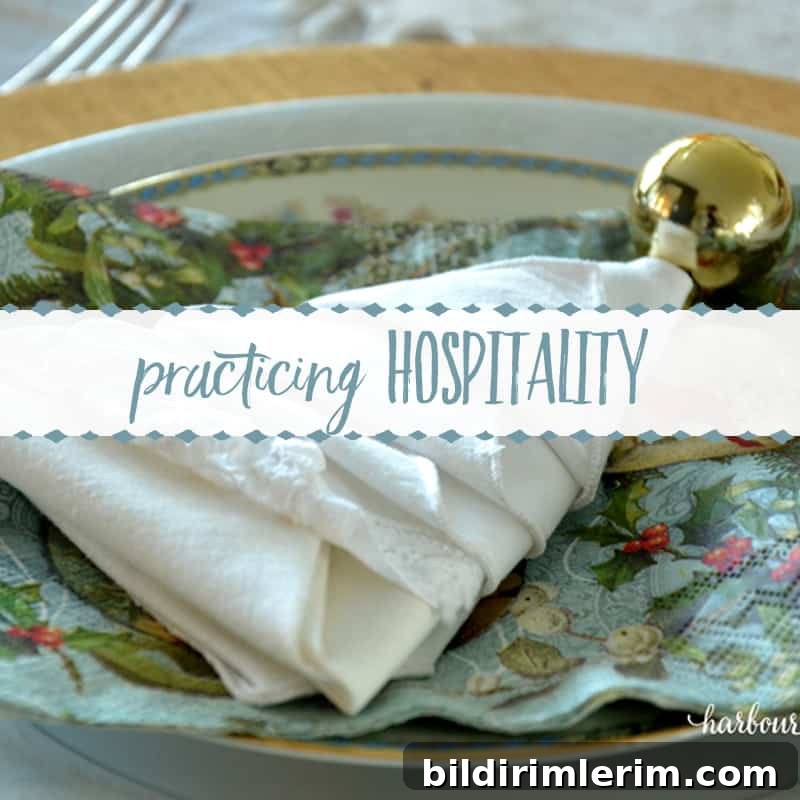
Practicing Hospitality: How I Learned to Welcome Guests with Confidence
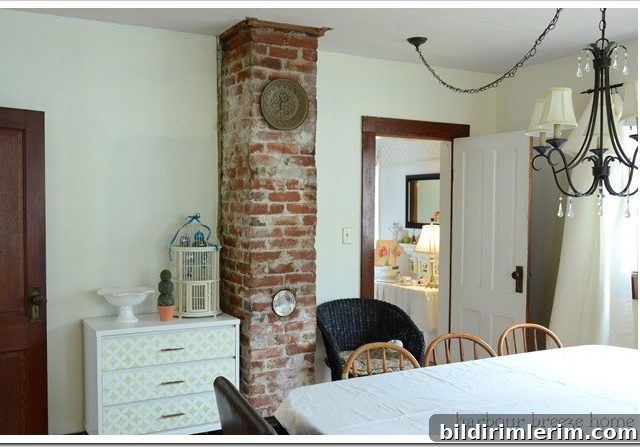
I’d like to pretend that opening my home to others comes naturally and easily to me. After all, my home is an open book online, right? In the blog world I can choose what people see, crop photos, and tuck the mess out of sight so everything looks tidy and calm.
Nope. Not at all.
When guests arrive in real life, the story is different. Behind the curated photos there are piles of laundry waiting to be folded, counters with unsorted mail, and a sink that sometimes hosts yesterday’s dishes. Most people understand these realities, but I still feel a little anxious about exposing the imperfect parts of my home. That anxiety makes me prefer a little advance notice before people drop by.

Hospitality is an area I’m actively working on. This fall we began hosting a weekly church group, and once a week up to thirteen guests come through our door. Preparing for that weekly gathering has been a practical way to improve. Having a routine and a simple plan has made hosting less stressful and more enjoyable. I don’t always like last-minute drop-ins, but with a quick system in place I feel far more confident and calm.
Simple Steps That Make Hosting Easier
Over time I developed a short, repeatable checklist that helps me get ready quickly without frantically cleaning every corner. These are the practical, low-stress steps I rely on:
- Declutter high-traffic zones: Clear surfaces in the entryway, living room, and kitchen so the space feels welcoming.
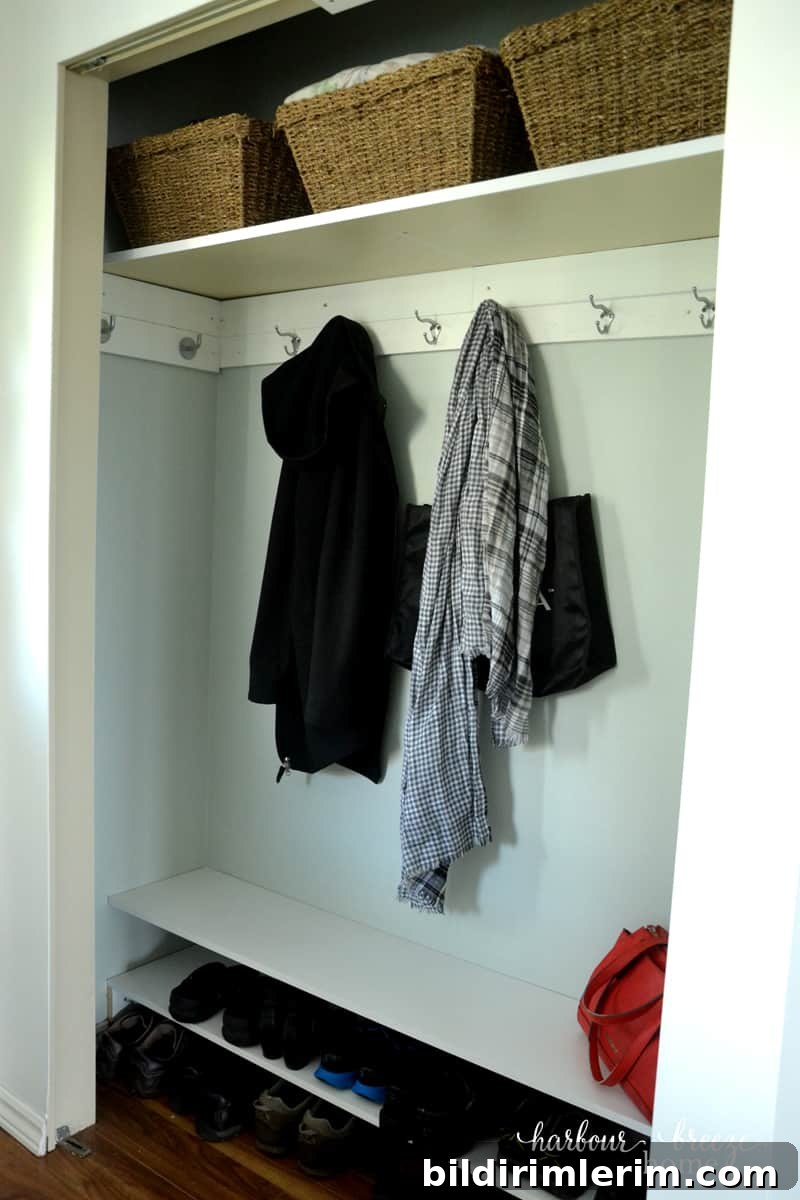
- Set up a landing spot for coats and bags: A basket or a chair near the door gives guests somewhere to put their things without creating chaos.
- Do a five- to ten-minute tidy sweep: Focus on visible mess—fold a blanket, tuck toys away, stack dishes out of sight.
- Prepare a simple, reliable menu: Choose dishes you can make ahead or that require minimal finishing so you’re not tied to the stove.
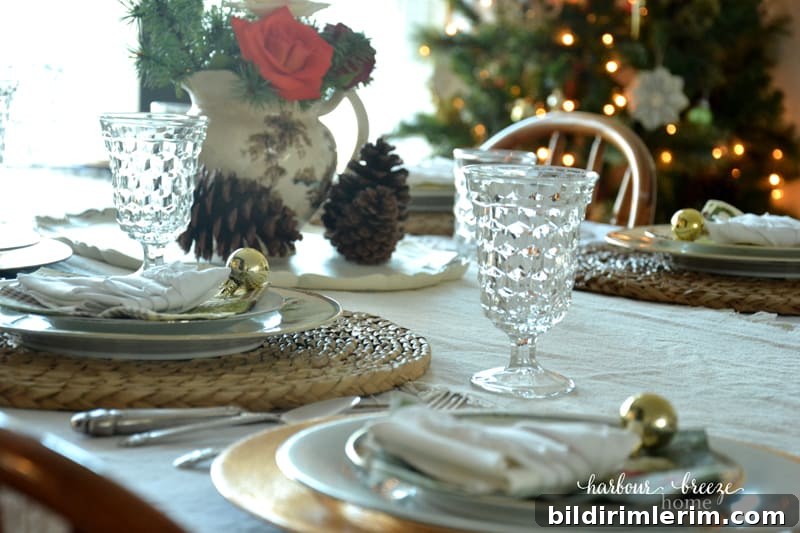
- Use mood elements: Soft lighting, a playlist on low volume, and a few fresh towels or napkins make the house feel intentional and cared for.
- Delegate where possible: Ask family members to help set the table, refill drinks, or clear plates to reduce the host’s workload.
Why Practice Matters
Like any skill, hospitality improves with practice. The first few times I prepared for the weekly group I felt nervous, but each repetition taught me how to streamline tasks and prioritize what truly matters: making guests feel welcome. The more I hosted, the more intuitive my routine became. I learned what I could do ahead of time, what could wait until the last minute, and which small touches make the biggest impact.
Practicing hospitality also changed my mindset. Instead of aiming for perfection, I now aim for warmth and ease. Guests are rarely bothered by small imperfections; they come for conversation, connection, and shared time. Knowing that helped me relax into hosting instead of trying to present a flawless home.
Practical Tips for Becoming a More Relaxed Host
- Create a basic hosting kit: candles, extra napkins, a simple centerpiece, and a few serving pieces you use regularly.
- Plan one signature dish you love to make—something crowd-pleasing and forgiving.
- Keep a list of quick-prep sides or desserts you can whip up if you need an easy backup.
- Set expectations gently: If a gathering is casual, let guests know so they won’t expect a formal dinner.
- Accept help graciously: Many guests offer to bring something or tidy up a bit—say yes when it feels right.

In short, hospitality doesn’t have to be flawless to be meaningful. Whether you’re a spontaneous host who welcomes company on a whim or someone who prefers a little notice and planning like me, small systems and a friendly attitude will take you far. The more you practice, the more natural it feels.
How about you—are you a relaxed hostess who enjoys last-minute gatherings, or do you prefer to prepare? If you have a favorite hosting tip that makes things easier, I’d love to hear it.