Cooking for large groups has forced me to become part cook, part mathematician. Each week I pick up practical measures and rules of thumb that make planning menus and scaling recipes faster and less stressful. After a recent event I put together a short cheat sheet of the best things I’ve learned so far—useful details for anyone preparing food in bulk or organizing meals for crowds.

Liquid eggs: one carton of liquid eggs equals 20 whole eggs. In practice I found that a single carton scrambled will serve about 8.75 people. For simplicity when I plan breakfast for a group I assume one carton will feed nearly 10 people and then I add an extra carton just to be safe. That small buffer reduces stress when turnout is unpredictable.
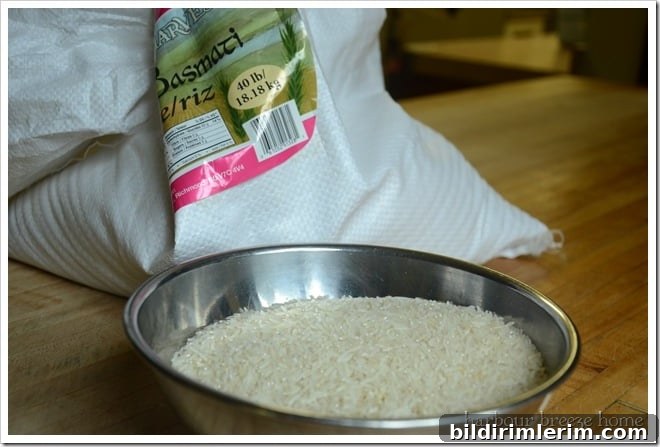
Rice: for basmati I use a simple water-to-rice ratio of 1.75 cups boiling water for every 1 cup of dry rice. At a recent event I prepared 9 cups of dry rice with 15.75 cups of boiling water to feed 75 teenagers—and there was no leftover rice. As a planning guideline, assume each person will eat between one-third and one-half cup of dry rice. Depending on your crowd and side dishes, you can scale up or down within that range.
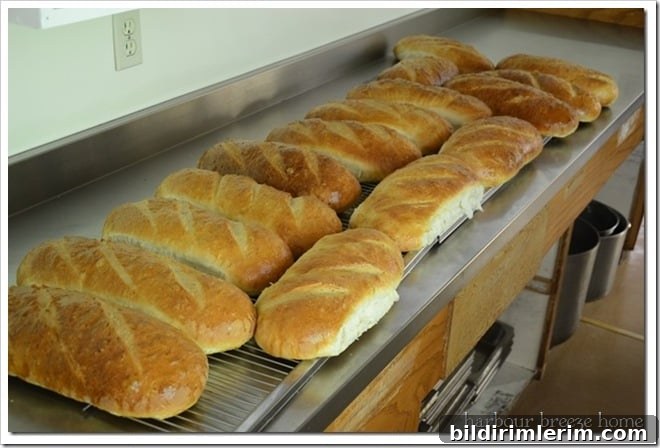
Bread: one loaf of homemade bread—when sliced on our bread slicer—yields about 20 slices. Plan one slice per person and place an extra loaf on the serving table. That extra loaf covers larger appetites and ensures nobody feels short-changed. When serving buffet-style, a little extra goes a long way toward guest satisfaction.
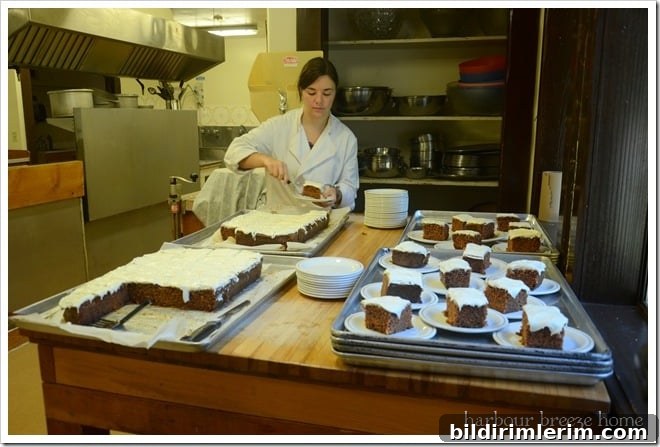
Desserts in hotel pans: deciding portion size for desserts prepared in full-size hotel pans takes practice. We found that some first attempts produced pieces that were far too large. For hotel pans, smaller servings are usually better—often cutting the pan into a grid of pieces closer to a 9 by 4 or 9 by 5 layout produces appropriately sized portions for large groups. Also note that a standard 9 x 13 pan recipe can often be multiplied by about 2.5 to fill a hotel pan, though I still recommend testing the conversion with recipes you plan to scale.
I’ve also discovered that professional cooking uses a lot of culinary terminology, many of which are French in origin. Learning a few of these terms makes communication in the kitchen faster and clearer.
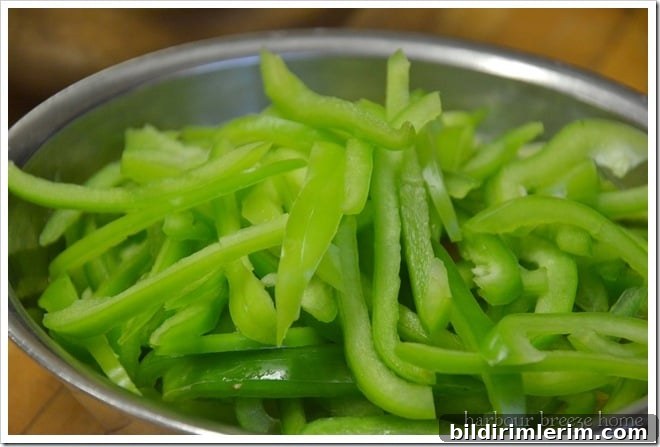
Useful culinary terms I’ve picked up this week include:
- batonneted — a specific cut often used for vegetables (the name sounds dramatic, but it simply describes a size and shape),
- julienned — thin, matchstick-style strips, as pictured above with peppers,
- and mise en place — the practice of prepping and organizing ingredients and tools before you begin cooking, which saves time and prevents chaos during service.
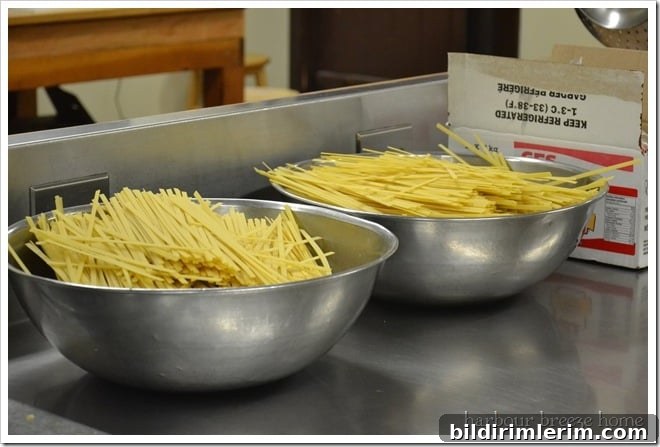
And the blooper of the week: a batch of fettuccine that I carefully measured to feed 55 people ended up able to feed nearly 100. It was a reminder to double-check conversions and to trust simple portion guidelines when cooking pasta at scale. Small measurement errors multiply quickly when you’re preparing dozens of servings.
Overall, cooking for a crowd is as much about logistics and standardization as it is about recipes. Keeping a written cheat sheet of ratios, yields, and go-to portion sizes has made planning smoother and reduced stress on service days. With a few reliable rules of thumb—like liquid egg yields, rice ratios, loaf slice counts, and hotel pan conversions—you can plan with more confidence and spend less time doing mental math on the fly.