 (Day 6)
I was in junior high when I took my first job. I still remember how nervous I felt walking through the back door of the Tastee Hut for my very first shift. The owners were a delightful couple, Erbin and Lauretta, and they patiently taught me everything about working in a fast-food restaurant. Lauretta showed me how to punch in a time card, make a chocolate shake, give correct change, and keep the windows sparkling. Erbin taught me the small but essential technique of salting and peppering burgers at just the right moment before flipping them. Over the years that couple mentored many young people learning to hold down their first “real” jobs, and their influence stayed with me.
They clearly cared about the kids who worked for them, but they also expected the work to be done correctly and thoroughly. If you wanted to slack off, the Tastee Hut was not the place to do it. That balance — firm standards combined with genuine care — is something I try to recreate in our camp kitchen.
One of the greatest joys of running this place is the people I get to work with. This fall and winter our team of helpers are the very reason the kitchen hums along smoothly. I refuse to call them mere “kitchen helpers.” They are more than that: they are my assistants, and together we produce the meals our guests look forward to. I like to call them my Sous Chefs.

{Pictured left to right, back to front: Curtis, Melissa, Ben, Ryan, Emma, Travis, Josh, and Holly}
Some members of this team arrive already certified in Basic Food Safe — which is fantastic and makes their training easier. For those who haven’t taken that course, I teach the essentials as we work. The most basic and important rules are about preparation, safety, and hygiene. I repeat them often because doing the little things consistently protects both the guests and the staff.
Here are the three simple dress and hygiene rules every new helper must follow:
1. Although you may prefer flip-flops or sandals in everyday life, you must wear sensible, closed-toe shoes in the kitchen. This is a matter of safety. When a pot of hot soup splashes or a knife slips from a passerby’s hand, closed-toe shoes make a real difference.
2. If your hair is long enough to tie back, please put it in a ponytail. Nobody likes hair in their food, and keeping hair secured is a basic hygiene practice. I won’t insist everyone wear a cap like I sometimes do, but you’re welcome to if it makes you feel more professional.
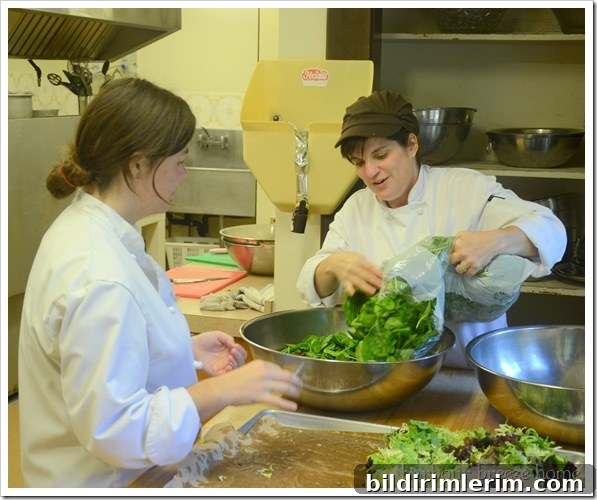
3. Before you step into the kitchen, you must wash your hands thoroughly at the handwashing station. I admit I’m a little obsessive about handwashing — and for good reason. We wash hands frequently: after handling raw ingredients, after taking out the trash, after handling money, and any time we leave and re-enter the prep area. Clean hands are one of the simplest and most effective ways to keep food safe.
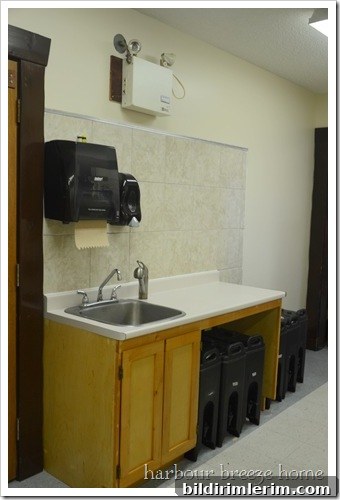
Teaching these practical habits builds confidence in new team members and helps the kitchen run smoothly. Whether someone is learning to portion ingredients, plate a dish, or manage the line during a busy service, the fundamentals — safety, cleanliness, and respect for the work — remain the same.
To finish the Tastee Hut memory: Erbin sadly passed away a few years ago, but I was able to hug Lauretta when I visited my hometown last year. The Tastee Hut is still in business, and I was there as recently as last month. They still make one of the best burgers I’ve tasted, and the hands-on lessons I learned there continue to shape how I train and lead our camp kitchen team.