Camp Kitchen Cleaning: A Practical, Everyday Schedule
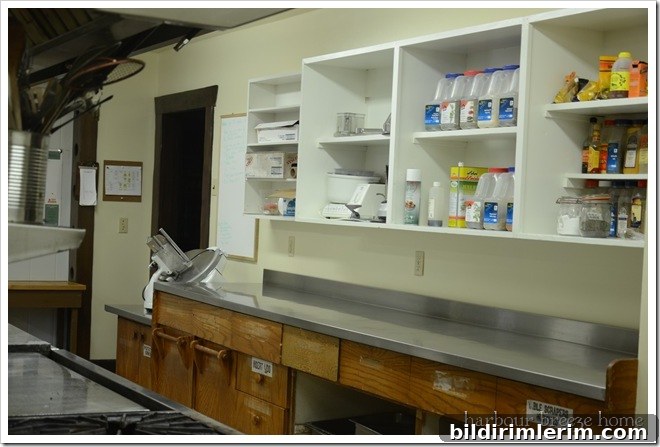
I don’t know about you, but I can’t cook if my kitchen isn’t clean first. If you’re like me, a tidy space is essential for focus and safety. The same holds true at our camp kitchen, only on a larger scale: a working commercial-style kitchen at camp produces many different dishes and baked goods over the course of each day, and that activity requires a clear plan for keeping everything hygienic and organized.
Because I don’t have the physical energy to do all the cleaning myself, we put a simple schedule in place so many people can contribute small tasks throughout the day. That approach keeps the whole kitchen running smoothly and prevents messes from piling up. Below is the routine we follow; it’s practical, repeatable, and easy to teach new staff or volunteers.
Daily Kitchen Cleaning Schedule and Best Practices
- Morning sanitizing: First thing each morning the kitchen crew sanitizes all countertops and high-contact surfaces using our spray sanitizer (we use Oasis). Starting the day with clean prep surfaces sets the tone for safe food handling.
- Sanitize between tasks: Any utensils dedicated to a specific job must be cleaned and sanitized before being used for a different task. This minimizes cross-contamination. Note: all chefs’ knives are washed by hand to protect the edges and ensure a thorough clean.
- Clean workspaces and cutting boards between jobs: All work areas and cutting boards should be cleaned and sanitized whenever a task changes—especially when switching between food types (produce, dairy, proteins).
- Manage cloths safely: Cloths used for meat or meat cleanup should immediately be placed in the designated dirty laundry container and replaced with a fresh cloth. This prevents bacterial transfer and keeps the laundry routine straightforward.
- Empty garbage regularly: Trash is emptied as needed—typically after each meal service—and again at the end of the day. Regular removal helps control odors and keeps pests away.
- Dish pit maintenance: The dish pit is mopped after every meal service to remove splashes and food residue, making the next meal’s cleanup faster and safer.
- End-of-day mopping: The mop-up crew finishes the day by mopping the entire kitchen and bakery area. A final sweep and mop restore the space to a clean starting point for the next day.
Small Tasks, Big Impact
One of the most effective parts of our system is that many people contribute small tasks throughout the day. In between teaching kids to row, canoe, or shoot bows and arrows, staff and volunteers step in to wash dishes, wipe counters, or mop floors. Those short, focused tasks keep the kitchen safe and reduce the workload for everyone.
Keeping a clean kitchen is not only about hygiene; it supports teamwork, efficiency, and a calm start to each shift. Walking into a sparkling clean kitchen is a particular kind of joy—one that makes cooking and baking easier and more enjoyable for everyone involved.
Final Thoughts
Running a clean camp kitchen requires a simple, consistent routine and a team willing to chip in. Our schedule helps maintain hygiene, speeds up meal service, and keeps equipment in good shape. To everyone who helps each day: thank you. Your small efforts add up to a safer, more pleasant kitchen for staff, campers, and guests alike.