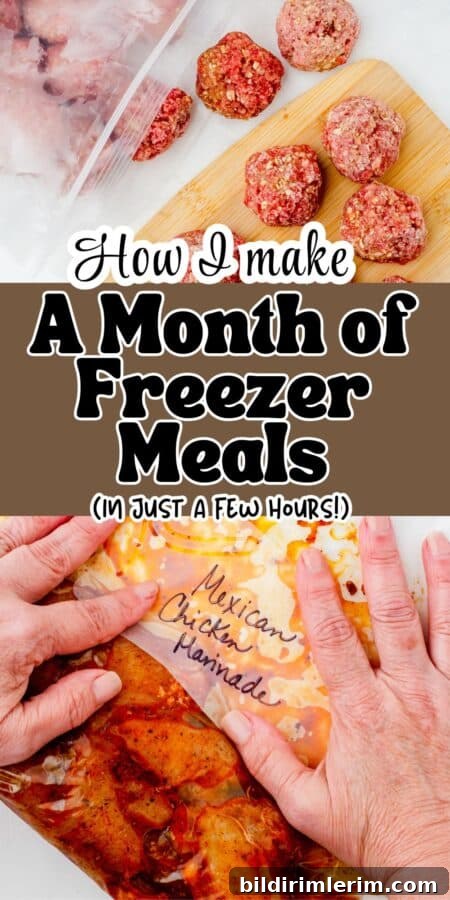
Save time and reduce kitchen stress with this reliable batch-cooking approach. Follow these straightforward steps to assemble easy freezer meals in just a few hours and enjoy quick dinners on busy nights.
After years of making dinner every evening, I finally admitted something important: I don’t enjoy deciding what to make every single night. That daily decision drains energy and time, and it’s a big reason I turned to preparing freezer meals in bulk.
Freezer meals changed our routine. I set aside a couple of focused hours, prepare a stack of meals, and stock the freezer. When life gets busy, I simply pull a ready-made meal from the freezer and reheat it. It’s a practical habit that keeps evenings calm and family meals on the table.
I’ve used this bulk-cooking method for decades. My husband and I still enjoy doing it together: in one two-hour session recently we prepped 19 meals. If you’ve thought about freezer cooking but felt overwhelmed, this guide will walk you through the exact steps I use, including practical tips to save time and avoid common mistakes.
Step 1: Choose Your Freezer Meals & Make a Plan
The most important part of efficient freezer cooking is planning. A small investment of time before you start saves large amounts of time in the kitchen.
Before cooking, decide these essentials:
- How many meals you want to prepare
- Which recipes you’ll make (prioritizing freezer-friendly dishes)
- What groceries and pantry items you need
I keep a simple menu planning sheet to help me choose meals and repeat favorites. Repeating recipes across the week is fine—our family doesn’t mind repeats, and it cuts down on complexity.
- Decide how many meals to freeze
Use a monthly or weekly sheet and note quantities. Doubling a recipe is often the easiest way to get more meals with minimal extra work. - Choose freezer-friendly recipes
Select dishes that retain flavor and texture after freezing. Stews, casseroles, and many baked dishes typically freeze well—avoid recipes that rely on delicate textures unless specifically tested for freezing. - Shop strategically
Buy ingredients with bulk cooking in mind. Buying larger packs of meat or larger quantities of staples often saves money. - Plan your cooking day
I usually cook the same day I shop or the next day so everything is fresh and ready. - Check your containers
Make sure you have airtight packaging on hand—bags, glass containers, or disposable pans—before you begin.
Step 2: Gather the Right Supplies
You don’t need specialized equipment, but airtight packaging is essential for good results. Here are the most useful items I rely on:
- Large freezer Ziploc bags for flexible storage and space-saving
- Covered Pyrex dishes for meals that go from oven to freezer to oven
- Disposable aluminum pans for easy gifting or reheating without extra dishes
Tip: If using Pyrex with plastic lids, remove the lid before baking to avoid melting or warping.
Step 3: Cook in Batches (This Is the Game-Changer)
Batching your cooking is the most efficient way to make many meals without getting overwhelmed. I organize work into a couple of focused blocks that let me reuse tools, reduce cleanup, and keep the workflow steady.
One effective approach is to group by protein:
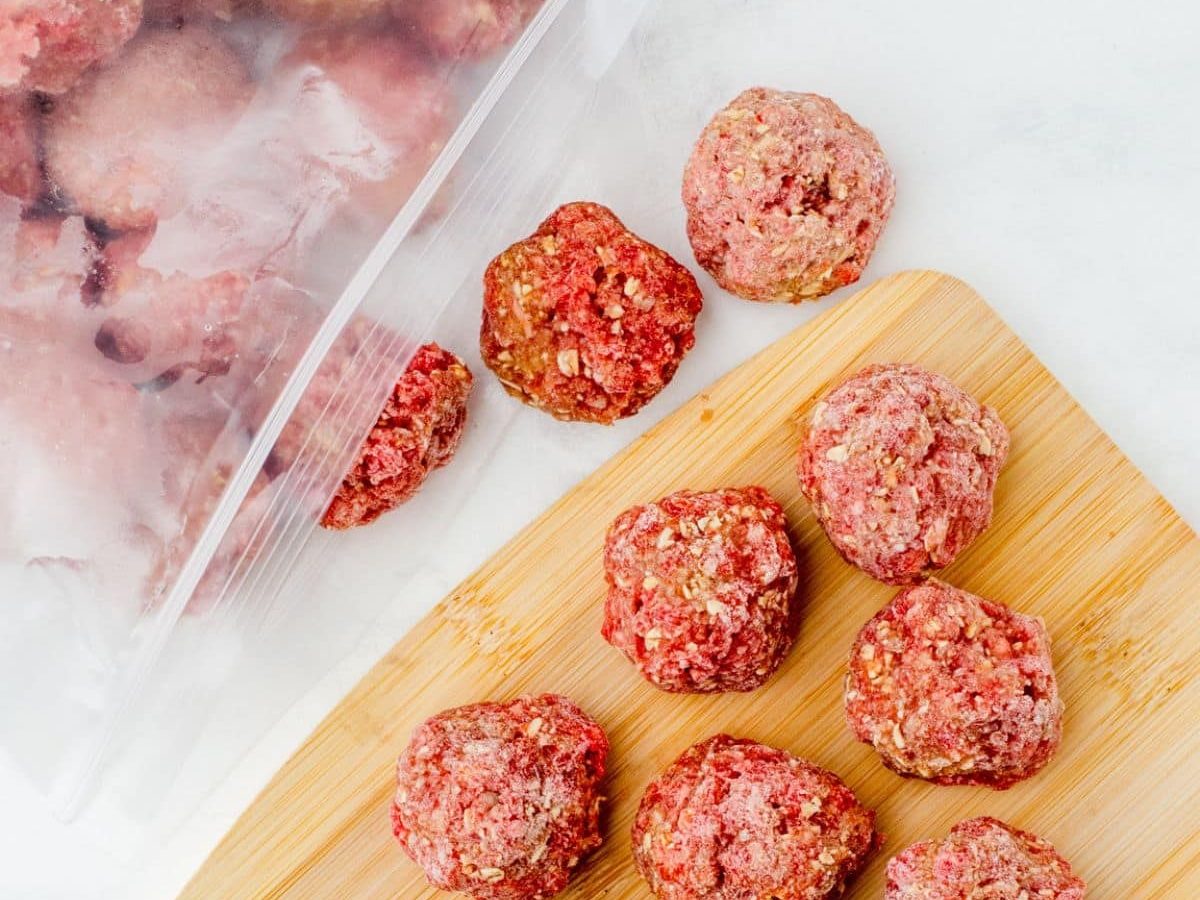
- One block for ground beef meals—brown large batches at once, then divide into different recipes
- Another block for chicken, pork, or vegetarian dishes—prepare and portion these next
Grouping recipes by protein and technique speeds prep and reduces the number of pans and utensils to wash between dishes. Running two large pots or pans simultaneously can significantly shorten total cook time.
Helpful Freezer Meal Prep Tips (This Is Where Time Is Saved)
A little prep goes a long way. Spend a few minutes organizing ingredients and tasks before you cook:
- Layout all recipes and note shared ingredients or steps
- Chop all vegetables for every recipe at once—this consolidates knife work
- Line up canned goods, spices, and other pantry items so they’re easy to reach
- Place a recipe card or note by each ingredient pile to avoid confusion
Working with a partner is ideal: one person can chop while the other sautés or manages the oven. If a recipe freezes well when doubled, do it—two pans often take nearly the same effort as one.
Step 4: Package & Label for the Freezer
After cooking, package meals promptly to preserve quality. Follow these steps:
- Portion meals into airtight containers or freezer bags
- Label each package with the recipe name, date, and reheating instructions
- Remove as much air as possible from bags before sealing; vacuum sealing works well if available
Use a permanent marker or freezer tape for clear labeling. A simple reheating note (oven temp and time or microwave instructions) saves guesswork when you’re tired.
Remember: air is the enemy of frozen food. Proper sealing preserves flavor and prevents freezer burn.
My Favorite Freezer Meal Recipes
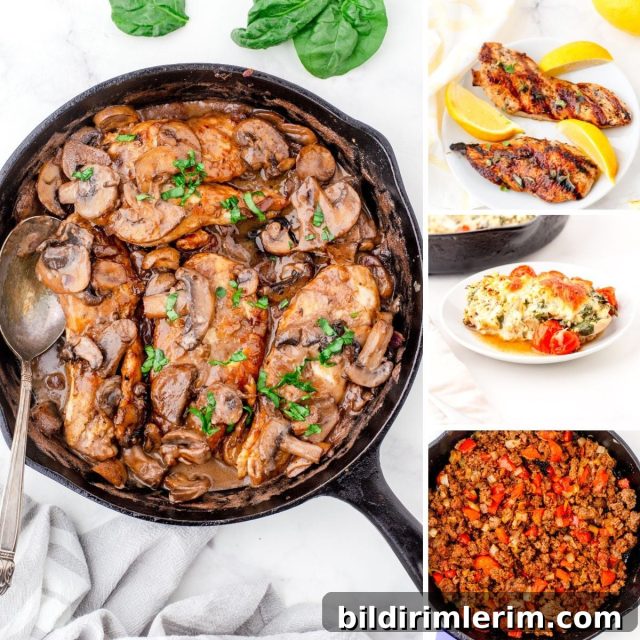
Over the years I’ve learned which meals handle freezing best. Casseroles, soups, stews, and saucy pasta dishes are reliably good choices because they reheat well and keep texture and flavor. If you’re getting started, focus on these types of recipes and gradually expand to more delicate dishes once you gain confidence.
Find tested recipes and categorized meal ideas by searching your favorite freezer-meal resources and meal-planning guides on trusted sites. Start with a handful of reliable favorites and rotate new ones in as you learn what freezes best for your family.
Why This Works So Well
Freezer meals are practical rather than perfect. A few hours of focused work on the weekend or after a grocery run means many evenings are easier. This approach reduces daily decision fatigue, saves time, and helps you serve homemade meals consistently—even on the most hectic days.