
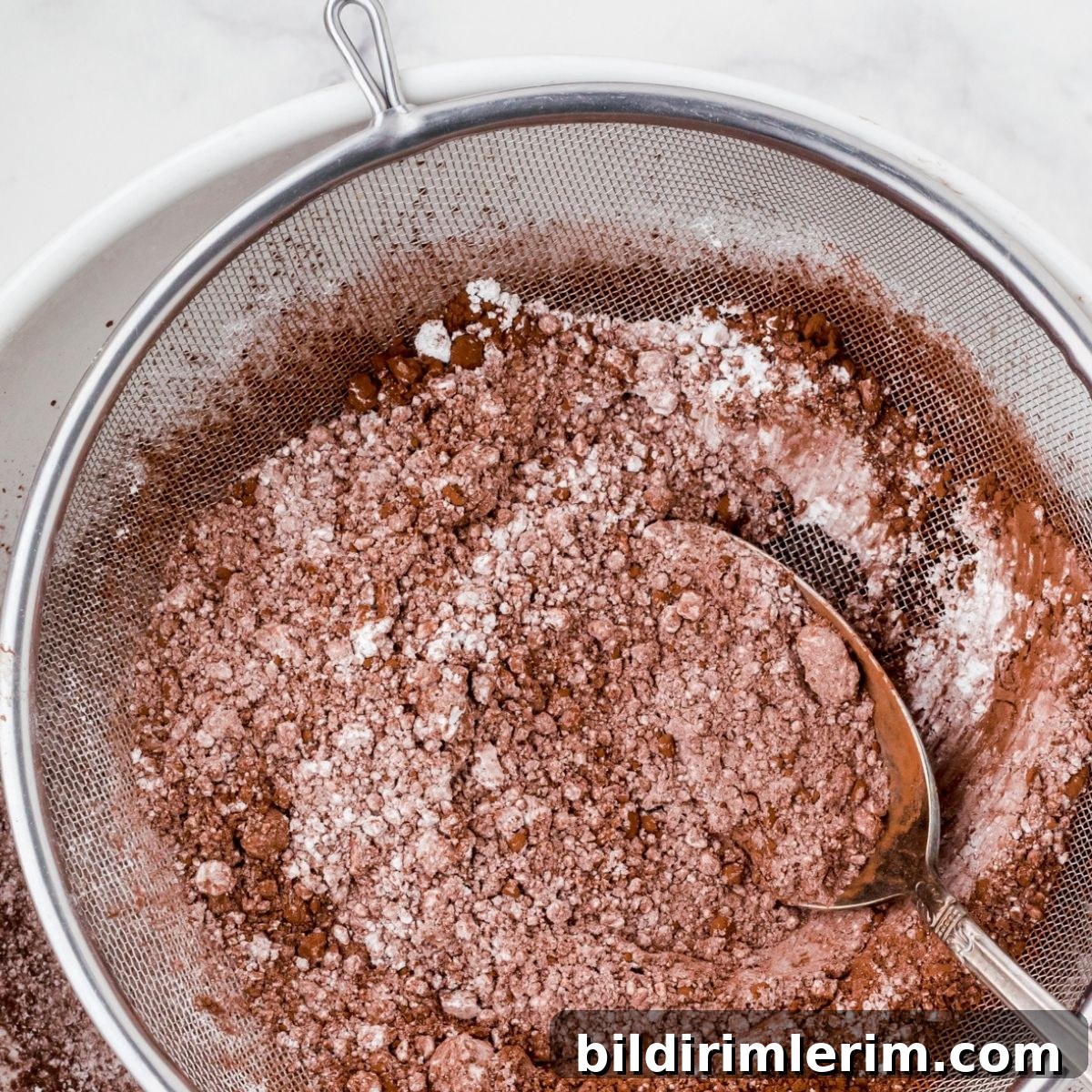
“What do I do if a recipe calls to sift flour and I don’t have a sifter?”
If you don’t own a flour sifter, there’s no need to rush out and buy one. There are simple, effective alternatives using basic kitchen tools you probably already have. Below I explain why recipes call for sifting, outline traditional sifter types, and share several reliable methods for sifting flour and other dry ingredients without a dedicated sifter.
Why sift flour?
Sifting flour or other dry ingredients serves two main purposes. First, it breaks up lumps that form during storage so the dry mix is smooth and consistent. Lumps in flour, cocoa, or powdered sugar can lead to uneven texture or pockets of dry ingredient in cakes, sauces, and batters.
Second, sifting adds small amounts of air into the dry ingredients, making them lighter and easier to incorporate into batters and doughs. This lightening effect can be important in delicate recipes like sponge cakes or some cookie batters where aeration affects final texture.
Traditional sifter types
There are a few traditional hand sifters commonly found in kitchens. The two most familiar styles are:
- Manual crank (rotary) sifters — a small metal container with a crank that rotates an internal agitator to push flour through a mesh screen.
- Manual squeeze (hand-held) sifters — a simple hand-operated sifter that pushes flour through the mesh when you squeeze a handle or trigger.
Both work well, but they aren’t strictly necessary. A good fine-mesh strainer and a balloon whisk can often replace either sifter with excellent results.
How to sift without a sifter
These easy methods will help you sift flour, powdered sugar, cocoa, or other dry ingredients without a dedicated sifter.
1. Use a fine-mesh strainer
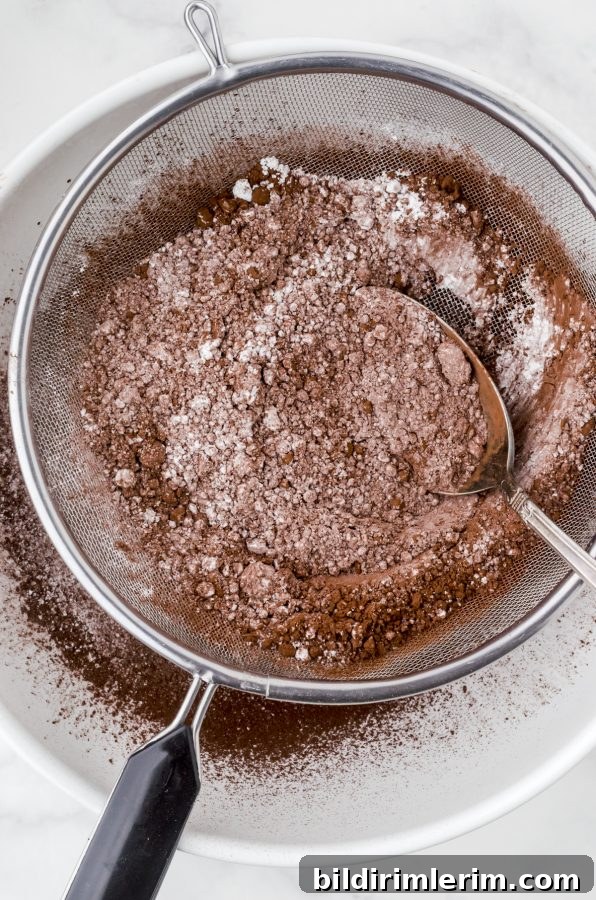
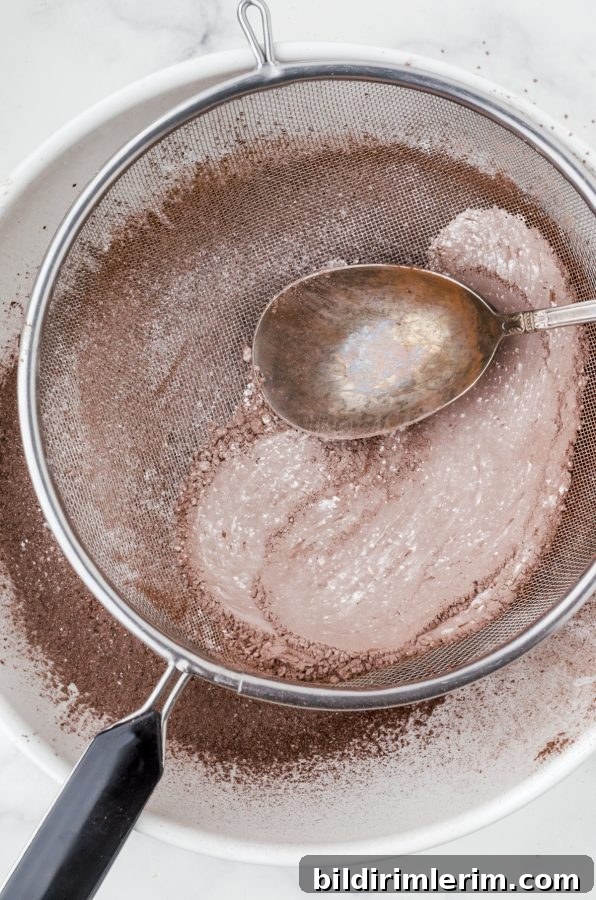
The most straightforward alternative to a sifter is a fine-mesh strainer. Place the strainer over a bowl and add the dry ingredient. Gently shake or tap the strainer while moving it side to side so the flour falls through the mesh. Use the back of a spoon to press down and break apart any remaining clumps caught in the mesh. A large fine-mesh strainer works quickly for larger quantities and is easy to clean.
2. Use a balloon whisk
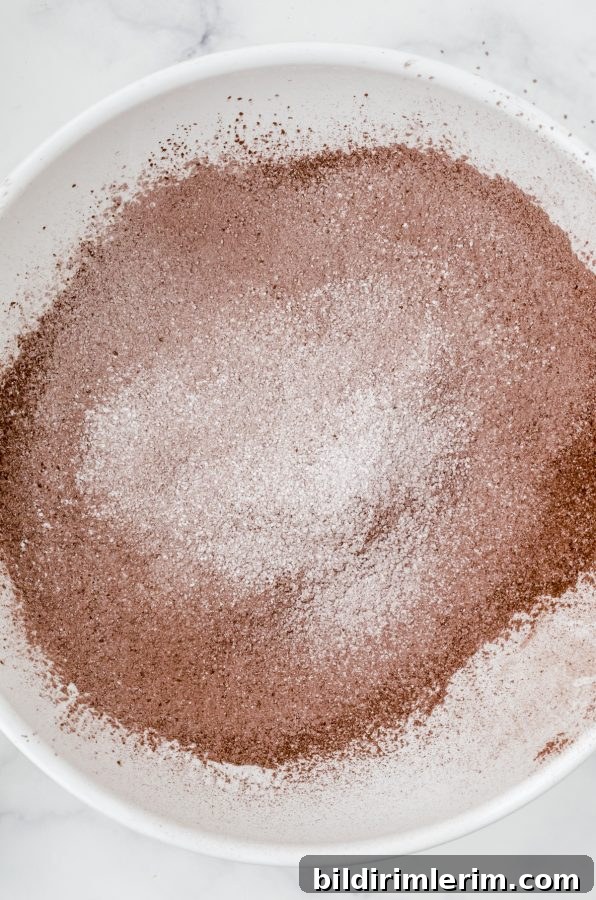
If you don’t have a strainer, whisking dry ingredients in a large bowl is a great option. Use a balloon whisk in a wide mixing bowl and whisk in a quick circular motion. The whisk’s wires break up clumps and incorporate air, producing a light, uniform texture similar to sifting.
3. Use a fork or fine spoon
For small amounts, a fork or the back of a spoon can help break up small clumps. Stir the dry ingredient vigorously in a bowl and press any stubborn lumps against the side with a spoon. This method works best for modest quantities or when you don’t need a perfectly aerated result.
4. Combine dry ingredients before sifting
When a recipe calls to sift multiple dry ingredients together—such as flour and cocoa—measure them into the strainer or bowl together and gently whisk or sift as a blend. Sifting them as a combined mixture helps distribute leavening agents and flavorings evenly throughout the batter.
When to measure sifted flour
Whether you measure flour before or after sifting matters and depends on the recipe wording. If a recipe lists simply “2 cups flour,” it usually means measure the flour as-is in the cup (unsifted). If it specifies “2 cups sifted flour,” then sift first and measure the flour after sifting. These directions ensure accurate volume measurements because sifting changes the flour’s density.
Note that most modern all-purpose flours are processed finely and rarely require sifting for basic recipes. Sifting becomes important when a recipe explicitly calls for it or when you’re working with ingredients prone to clumping, like powdered sugar or Dutch-processed cocoa.
Sifter and strainer options to consider
If you decide to add a tool to your kitchen, consider these practical choices: a small rotary hand sifter for frequent bakers, a handheld squeeze sifter for quick jobs, and a set of fine-mesh strainers in multiple sizes. A high-quality balloon whisk is also indispensable for both dry ingredient aeration and mixing.
Additional kitchen tips
- How to freeze cake to make icing easier
- Differences between wax paper and parchment paper
- Safe ways to use parchment paper in the oven
- How to freeze avocado to extend shelf life
- Simple tips for cleaning an electric cooktop
- How to freeze mushrooms to reduce food waste
- How to boil water in the microwave safely and efficiently