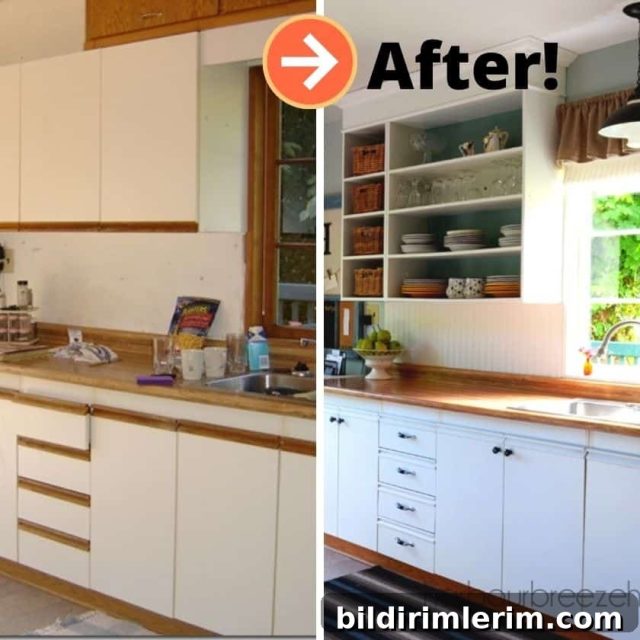
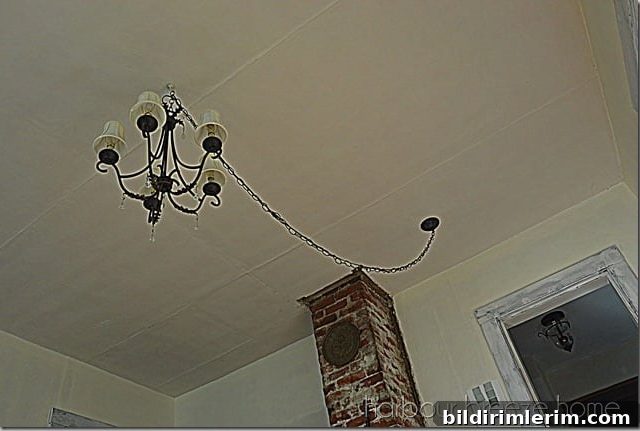
I’ve always loved old fixer-uppers. To me they’re like a little engine that could — full of potential if you’re willing to put in time, patience, and sweat. Over the years I’ve learned to coax these houses into spaces of comfort and beauty, and for the most part, I’ve enjoyed the challenge. But some days the work feels overwhelming, and I remember one morning in particular when the challenge nearly got the better of me.
We had just moved into the house we live in now. I think it was our very first morning here. I went down to the basement to take care of a task, looked around, and immediately burst into tears. The space felt like more than just a project; it felt hopeless. Even though the previous tenants had left the basement as clean as possible, it was still one of the gloomiest, most uninviting rooms I’d ever seen.
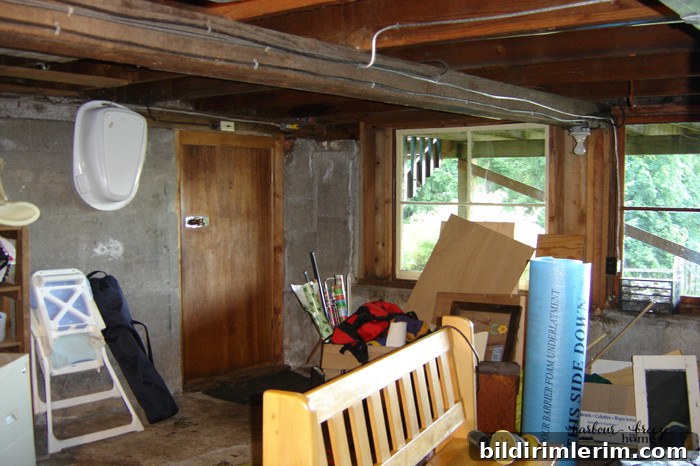
Two days later, my in-laws arrived. My father-in-law, bless him, painted the walls of what would become my laundry area the sunny yellow shade I’d chosen. That small act of help brightened the space and my spirits, and it reminded me how much a single change can affect the tone of a room.
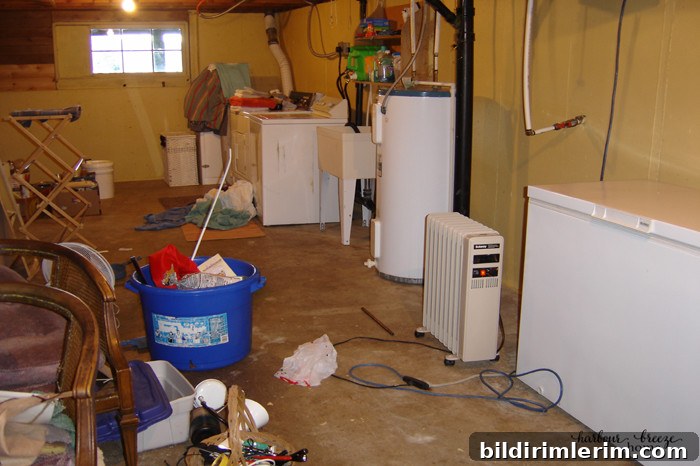
Over the years we invested a lot of sweat equity into that basement. We moved storage shelves, added drywall, replaced rotting makeshift supports with real structural pieces, painted the floors, and turned portions of the space into a craft and laundry area as well as a family sitting room. Each small improvement felt like progress — a before-and-after moment that proved a little effort goes a long way in a fixer-upper.
However, eventually reality set in: the basement needed far more work than our time and budget could cover. There’s a limit to what elbow grease and weekend projects can accomplish when structural issues and extensive repairs are involved. At a certain point we shifted from trying to “fix it up” to accepting the space as it was, making the most of what we could do and moving on to other priorities.
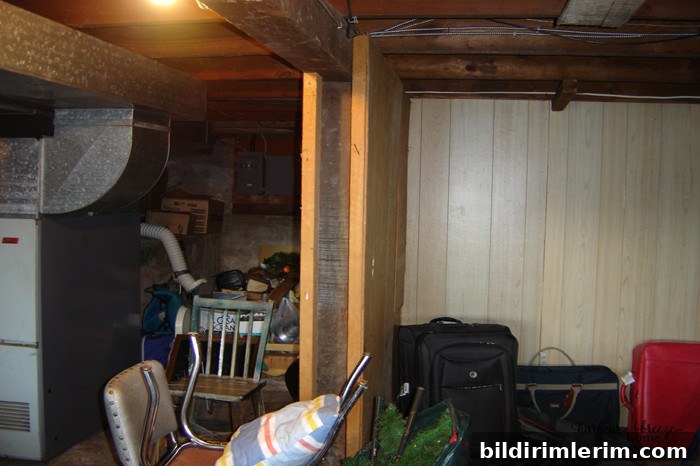
Recently we spent two days packing and cleaning out the deepest corners of that basement in preparation for a move. Anyone who has moved before knows how bittersweet the process can be — there’s excitement for what’s ahead and a sense of loss for what’s left behind. For me, the emotions were especially raw; I found myself crying in different rooms at different times, suddenly overwhelmed by memories, by the passage of time, and by the hard work that had gone into making the house a home.
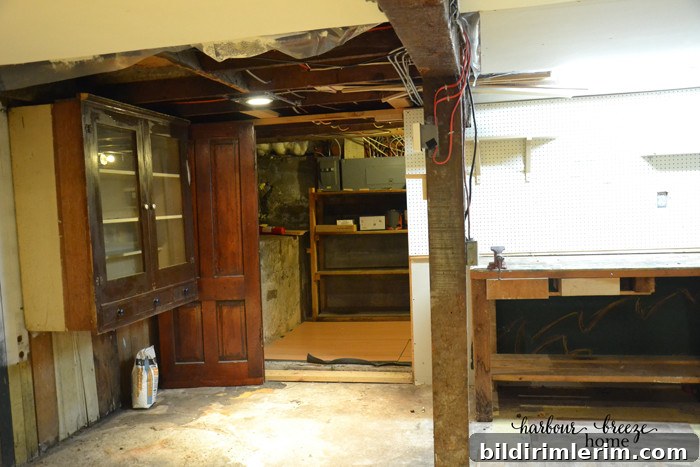
As I dusted away cobwebs, sneezed through a fit, and wiped my face, laughter began to bubble up alongside the tears. All that hard work, all the tiny triumphs and frustrating setbacks — and now the realization that of everything I’ll miss about this house, the basement won’t be at the top of the list. It’s liberating in a way: not every part of a home has to be cherished. Some spaces are simply functional, some are projects that never fully get finished, and that’s okay.
Leaving a fixer-upper doesn’t mean the work was wasted. The experience taught me valuable lessons about prioritizing repairs, the power of small cosmetic changes, and when to accept limitations. The yellow-painted laundry area, the patched drywall, the painted floors, the craft space and family sitting corner — all of those improvements made daily life better while we were here. They also prepared us to be smarter about future projects by helping us recognize what’s worth investing in and what’s best left untouched until resources allow for a proper renovation.
The basement will always be part of our home’s story — a place of effort, creativity, and sometimes frustration. But as I closed the door on that chapter, I felt relief too. I won’t miss the gloom and the unfinished repairs, but I will carry the memories and the lessons forward. Fixer-upper homes ask for patience and persistence, and they reward you in unexpected ways. For now, I’m ready to move on, grateful for what we accomplished and excited for the next space that needs a little TLC.