I remember the moment the grief began with startling clarity. I had just returned from an exhausting week in Montana—days filled with doctor visits, phone calls, late-night conversations and family meetings that ended with a diagnosis: my mother has dementia. The details of that week blur together now, but the feeling of stepping onto the plane for the trip home and realizing everything had changed is indelible.
I had three flights that day. Each time the plane lifted off, I pressed my forehead to the cool window and the tears came. I tried to be discreet, but I must have been an obvious, sobbing woman to the unfortunate seatmates beside me. It was the first real goodbye to my mother.
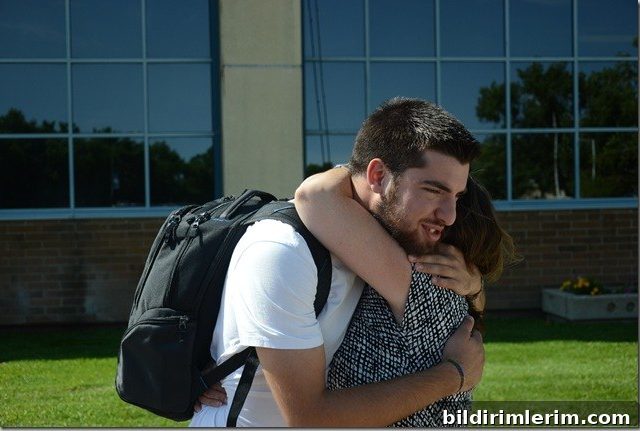
I remember greeting my husband at the airport with sobs and the words, “She’s gone.” He was terrified, thinking my mother had died. Between gasps I tried to explain that although she was still alive, the “Mom” I had known my whole life was no longer there. I grieved hard then and in the days that followed. That was years ago.
Grief is a strange, shifting thing. Some days I meet my mother’s condition with quiet acceptance. Other days the pain flares like a hot, searing fire that burns a small piece out of my heart. The waves come and go, and I ride them as best I can.
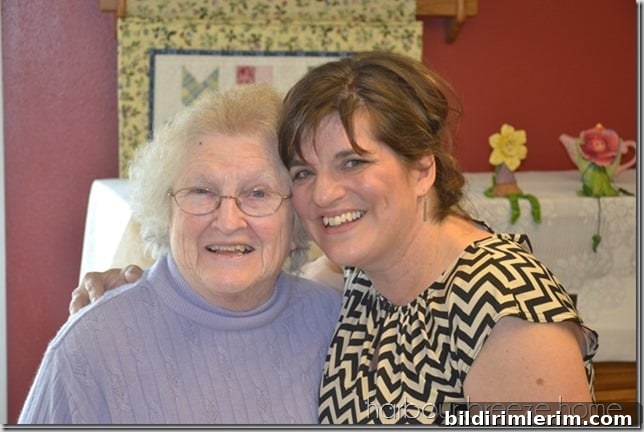
When I last saw my mom, my husband—who always notices small, tender moments—coaxed out a bright, precious smile from her.
That smile is the image I’ve carried with me for the last year and a half. (Have I mentioned how far away we live from my mother?) Recently, my siblings called to say her health has declined further. I thought I was prepared, but this new reality still hit me hard.
The other day I was looking for a photo for a friend and found myself flipping through pages of family albums. Time and again her face would look up at me—smiling, present in so many of our lives.
She was there for each of my children’s births—helping, bathing them, cooing and talking until their little faces relaxed into sleep. What she loved most was to rock them. She would rock and hum and sing a medley of hymns—a lullaby she had surely woven together herself over the years of rocking five children to sleep. The songs blended into one another, slowing as they went, creating the perfect rhythm to lull a fussy baby into peaceful slumber.
Last night, as I struggled to sleep, that lullaby came back to me. I found myself remembering one of the final verses she would sing:
“This world is not my home
I’m just a’ passin’ through
my treasures are laid up
somewhere beyond the blue.
The angels beckon me on Heaven’s open shore
and I don’t feel at home
in this world anymore.”
It’s a strange contradiction: I’m a middle-aged woman, yet I still ache to have my mother here—present, whole, and alive on this earth. There is a peculiar comfort in knowing she is nearby in the world. When people say things like, “It would be better if she would just go,” my mind can agree, but my heart resists. I want more time. I want her here.
At the same time, I hold to a deep, abiding hope: that in Heaven she will laugh again, speak clearly, and be whole. That thought brings a quiet peace in the middle of sorrow. It is, in many ways, a beautiful hope.
As I turned another page in the album with tears on my face, I came across a photograph that made me laugh aloud. I don’t know what was happening in that moment, but I am grateful my husband caught it on film.
Laughter was one of the truest gifts my mother gave me. No matter how difficult the day or how heavy the moment, she had a way of helping me find laughter again. That gift has become a treasured part of my memory of her.
Thank you, Mom. I look forward to the day we can laugh together again—without the weight of illness between us.