When DIY Plans Change: From Painted Floors to a Simple Rug
I set out to apply a second coat of panther paint to the floor today. The plan even included a short video tutorial and a final polish with a hardwood floor wax so the room would shine.
That’s not how it turned out.
After the first wash coat and all the work of brushing, rolling, sanding, and moving around furniture, my body rebelled the next morning. Every muscle felt the strain from the project. I could barely make it down the stairs to reach the Advil  .
Plans changed fast. Instead of a perfect painted-and-waxed floor, I shifted to a practical solution: covering the floor with a large rug.
We had always planned to add a rug in this room. I discovered that Home Depot carries 6 x 9 foot bound commercial carpets for $37.00, and because the room is small, that size nearly covers the whole floor. For the time being, a well-chosen rug gives the room a finished look without the extra physical strain of sanding, extra coats, and buffing.
The purple paint and the panther wash treatment already did a great job of covering the bare, battered floor and tidying up the space. With that base coat in place, adding a rug became an attractive, sensible option:
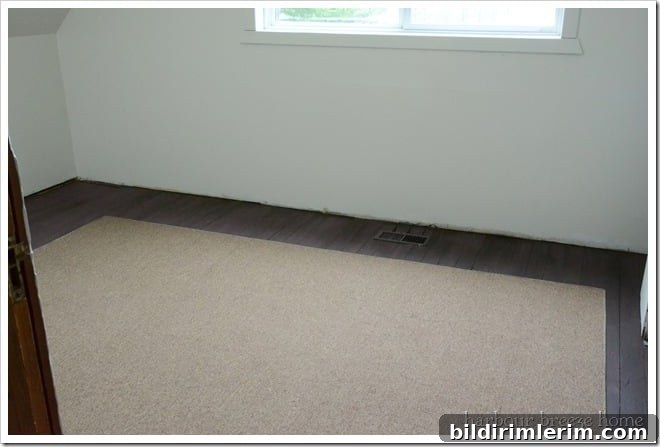
So I put a rug over the painted floor and called it good for now  . It’s a practical move that still looks intentional and keeps the room usable while I recover and consider finishing steps.
If you plan to paint floors and use a wash treatment, a quick word of advice: seal the paint when it’s fully dry. Without a protective topcoat—either a quality floor wax or a clear coat sealer—the paint and wash can wear off quickly in high-traffic areas. Sealing protects the finish, makes cleaning easier, and extends the life of your work. I still intend to seal and buff someday once I’m rested and ready for the final step.
Here are a few simple, practical tips based on this experience:
- Listen to your body. DIY projects can be rewarding, but they can also be physically demanding. Take breaks, pace yourself, and prioritize safety.
- Consider temporary solutions. A well-sized rug can hide imperfections, protect a painted surface, and make a room feel complete while you wait to finish final coats and sealing.
- Protect your paint. If you do paint floors, plan for a topcoat. Sealers and floor waxes preserve the finish and reduce wear from foot traffic and furniture.
- Choose the right rug. For a small room, a 6 x 9 bound commercial carpet covers most of the floor and is budget friendly. Look for a rug that complements the room’s color and handles traffic well.
- Maintenance matters. Vacuum regularly, address spills promptly, and if the rug moves, use grippers or an anti-slip pad to keep it in place and protect both rug and floor.
At the end of the day, this project reminds me that flexibility is part of DIY. You can make plans, but sometimes the best decision is the practical one: rest when you need to and choose a solution that preserves your work and sanity. The floor is already cleaner and much improved from where it started, and the rug gives the room a cozy, finished feel until I’m ready to complete the final protective steps.
Disclaimer: If you paint your floors and apply a wash, I highly recommend sealing the surface with floor wax or a clear coat sealer. Otherwise, the paint may wear off quickly. I still hope to do that someday when I’m rested and ready for the last steps.