I’ve been there—stuck, overwhelmed, and unsure how to finish a room when you’re decorating on a budget. Below are six practical places to find help and regain momentum.
A few months ago I took an Enneagram test and learned I’m a “6”: slow to anger and quick to panic. Decision-making can feel like it needs a committee. If that sounds familiar, know your temperament influences how you approach homemaking and makeovers. Understanding your tendencies can help you give yourself grace—and find strategies that work for you.
Over the years I’ve developed simple systems to overcome decorating paralysis, and I teach a free Room Makeover video course that breaks the process into four clear steps. Even with a reliable formula, there are moments when I still get stuck. When that happens, I rely on outside help. Below are six effective and budget-friendly options to try.
6 Places to Find Help When You are Decorating a Home on a Budget
1. Facebook and Online Groups
Online communities dedicated to home decor are a great free resource. Search for groups that welcome questions and photo posts. Share clear photos of the space and your inspiration images, and ask specific questions—e.g., “Which of these two paint colors works better with my sofa?” or “Should I choose a rug that matches the floor or the furniture?”
Expect a wide range of opinions—some wildly creative, some practical. Use the feedback as a sounding board rather than final answers. The goal is to gain direction and ideas you can test in your space.
2. Your Local Paint or Home Improvement Store
Many paint stores and larger home improvement retailers have in-store color consultants or staff experienced with finishes and color selection. Bring photos of your room (and inspiration images) and ask for help narrowing paint choices or finish options. If they can’t step out of the store to see your space, treat their advice as a starting point and always test samples on your walls to observe them in different light throughout the day.
Tip: Buy sample pots and paint 2–3 test strips in the actual room; live with them for a few days before deciding.
3. E-Design and Digital Services from Home Decor Bloggers
Many experienced bloggers and independent designers now offer affordable e-design services. Typical offerings include digital mood boards, shopping lists, and short consultations. These services are often less costly than full-service design and can be a great fit if you want professional direction while staying on a budget.
What to expect: style boards that show furniture placement, color palettes, and links to budget-friendly sources; short phone or video consultations to clarify priorities; and step-by-step lists to implement the look yourself.
4. Hire an Interior Designer for a Targeted Consultation
If you have the budget, a single session with an interior designer can be a smart investment. You don’t have to hire someone for an entire project—many designers offer hourly consultations or a one-off room plan. Define exactly what you need help with (paint color, furniture choice, layout, lighting) so you pay only for the expertise you require.
A focused professional opinion can save time and reduce costly mistakes. Even a short mood board or a single design recommendation can move a room from stalled to finished.
5. A Friend with Good Style
Never underestimate a friend who has a great eye for design. Invite a stylish friend for a coffee and a quick walkthrough. Give them a specific task—narrowing fabric swatches, choosing between two sofas, or arranging furniture—and trust their instincts. Having an objective, reliable person to validate decisions can remove a lot of stress.
Sometimes a second set of eyes is all it takes to break the tie between “overwhelmed” and “done.”
6. Practical Design Books and Resources
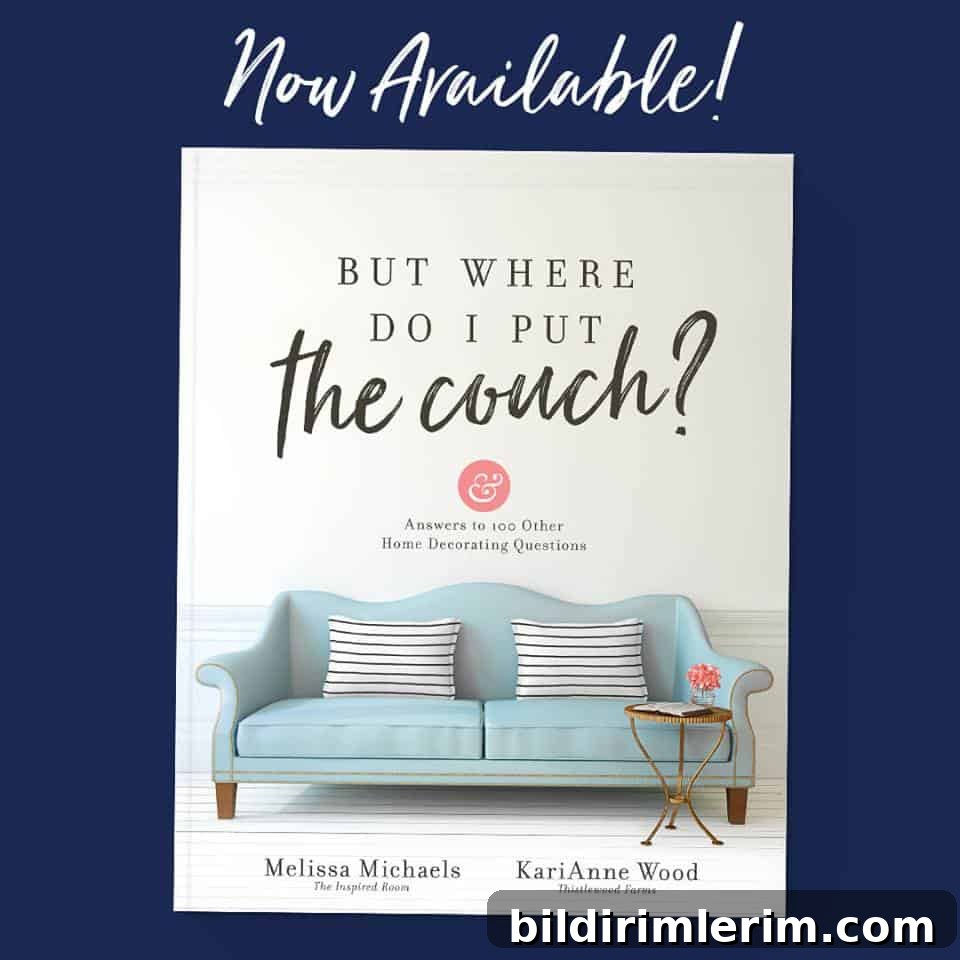
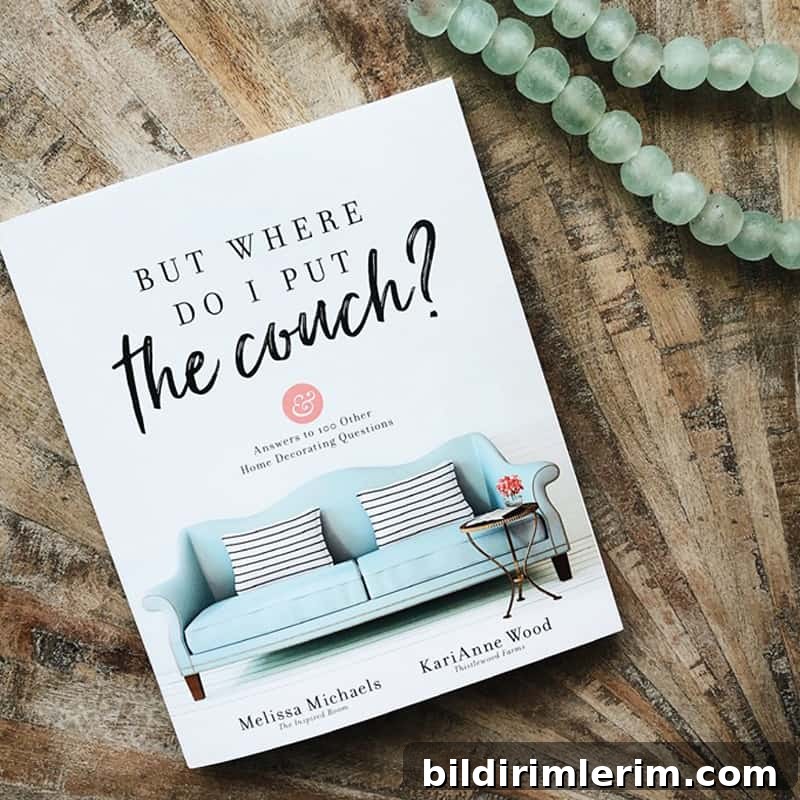
If you want to learn the fundamentals, design books are an excellent, long-lasting investment. Look for approachable guides that cover basic principles, layout strategies, color theory, rug selection, and furniture placement. A good resource can answer common questions—where to put the couch, how to scale rugs, or how to layer lighting—and give you confidence to make decisions yourself.
Books offer durable, curated advice you can reference again and again as you tackle different rooms.
These six sources—online groups, local stores, e-design, a targeted designer consult, a stylish friend, and solid reference books—can help you move past indecision without overspending. If you get stuck, try one or two of these options based on your needs and budget.
Where do you get stuck during a room makeover? Share the part of the process that trips you up most—paint choices, furniture selection, layout, or something else—and I’ll do my best to offer practical suggestions.