Over the years I’ve had countless conversations about painting wood. They usually begin the same way: “You’re going to paint over that nice wood???” followed by audible gasps. If you’ve ever suggested painting a beloved wood surface, you’ve probably met that reaction too.
After wrestling with this subject for a long time, I’ve arrived at a few practical conclusions about when to paint wood and when to leave it alone.
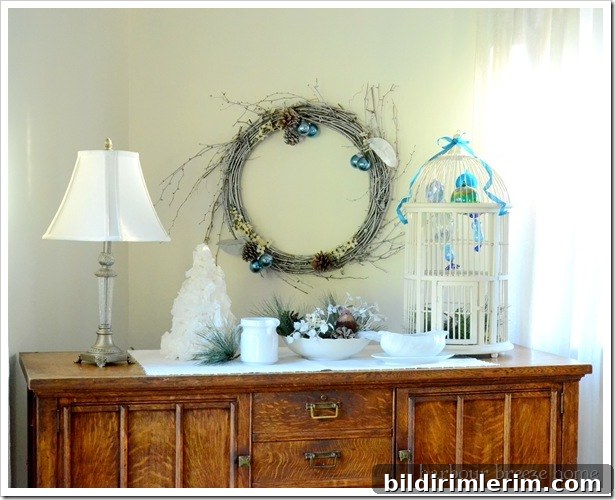
First, there are a few items I own that I simply will not consider painting. Some pieces carry too much personal history or too much craftsmanship to cover up. Our dining room buffet is one of those pieces. It’s the same buffet that sat in my childhood home in Montana, and it holds a lot of memories for me. Because of that connection, I love it exactly as it is.
The other piece I won’t paint is a small bedroom dresser I refinished years ago. It was my first—and likely last—big refinishing project. I spent three years stripping seven coats of paint, sanding, and refining the piece until it felt right. After investing that much time and effort, I just can’t bring myself to paint it now, even though a fresh coat of paint might look lovely.
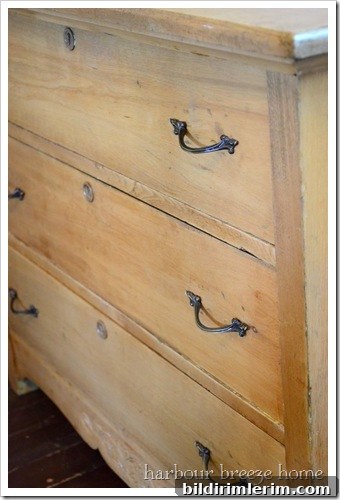
Aside from those two sentimental pieces, I would probably paint nearly everything in the house. If I moved into a home with heavy oak kitchen cabinets, I’d be tempted to paint them white—because I prefer the clean, bright feeling white cabinets create. Ultimately, it’s a matter of personal taste and how you want your space to feel.
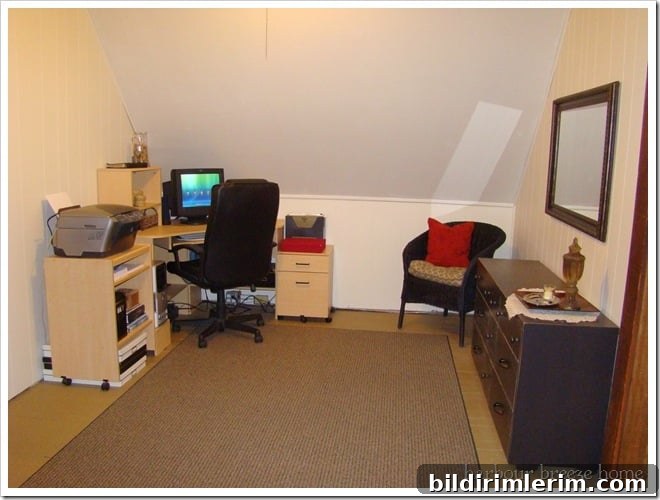
For me, the feeling of a room matters more than preserving every wood surface. I want rooms where I can relax and where the atmosphere feels cheerful. When we moved into our upstairs space, none of that described the rooms. They were small, dim, and dominated by dark wood tones from 1970s paneling and real fir boards. The combination made the space feel dreary and closed in.
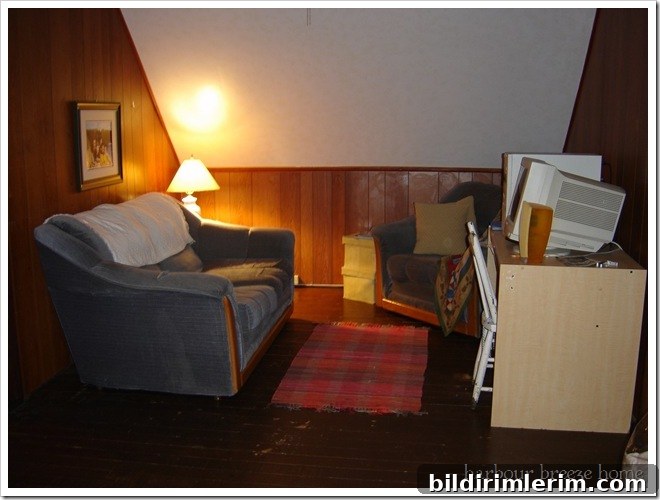
Light and scale play a big role in the decision to paint wood. Dark wood can look rich and cozy in a generous, well-lit room, but in a small, poorly lit area it can feel heavy and oppressive. That’s why size and natural light are central considerations when debating dark wood versus painted surfaces.
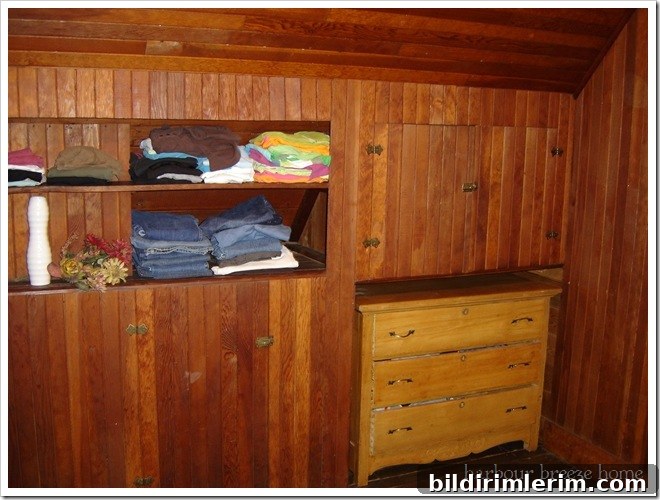
I remember being nervous the first time I rolled primer onto a real fir board with a foam roller. It felt a little reckless to cover up natural grain and patina. But when I saw the bright, cheerful results after painting the upstairs landing and adjoining rooms, I knew I had made the right choice for our home.
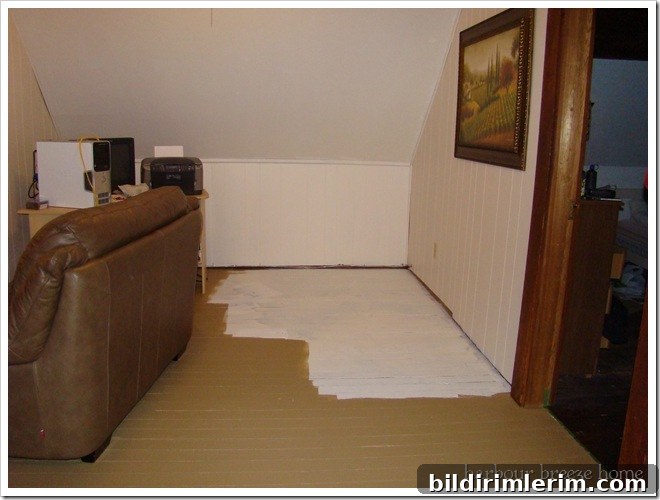
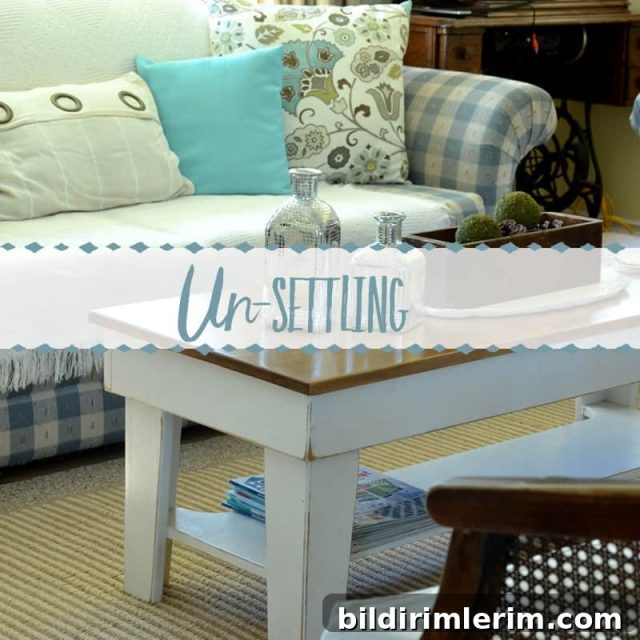
The transformed landing became the turning point. Once I experienced how much lighter and more open the painted wood made the area feel, I lost my hesitation about painting other wood surfaces that didn’t hold the same sentimental value. The finished space felt fresh and welcoming—exactly the atmosphere I prefer.
In the end, deciding whether to paint wood comes down to three simple questions: Does this piece have sentimental or historical value? Does the wood help or hinder the room’s light and scale? And what feeling do I want the space to evoke—cozy and natural, or bright and cheerful? Answering those questions will guide whether to preserve the wood’s natural finish or to paint it for a different mood.
There’s no single right answer—only the right choice for your home and your taste. For me, a few treasured pieces remain as-is, but many surfaces benefit from paint. If you’re unsure, try painting a small, inconspicuous section first to see how the change affects the room’s overall feel before committing to an entire space.