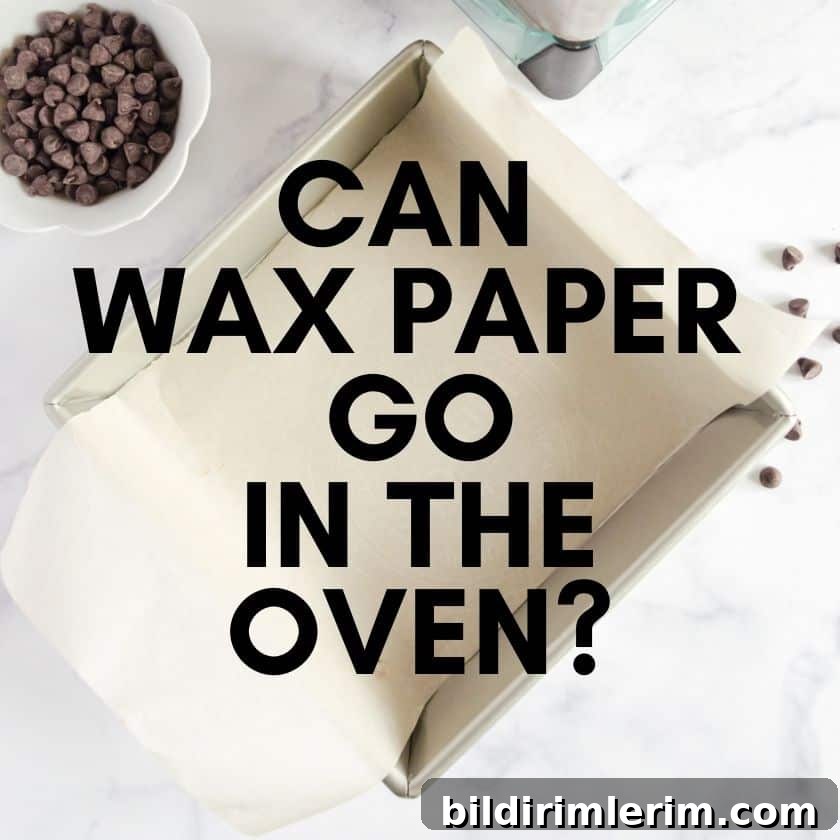
Can wax paper go in the oven? Read on to learn the difference between wax paper and parchment paper and how to use each safely in your kitchen.
My online niche—crafts and recipes—is deliberately low-drama. Or so I thought.
Every so often I stumble into a surprisingly controversial topic without meaning to. That happened a few weeks ago when I made our family’s favorite vanilla layer cake for my son’s birthday and shared the process on Instagram Stories.
I described a trick I learned from my mother: lining the cake pan with wax paper so the cake releases easily. The response was immediate and loud.
- “What? Can you put wax paper in the oven?”
- “Really? I don’t think you can bake with wax paper!”
- “Is wax paper oven safe? I didn’t think it was…”
- “What is the difference between wax paper and parchment paper?”
- “Doesn’t your cake taste like wax?”
With so many questions flooding in, I decided to dig into the facts. A quick search brought up authoritative sources—Martha Stewart’s guide to parchment vs wax paper among them—which made the point clearly: generally, wax paper is not recommended for use in the oven. That was news to me, given a lifetime of cakes that turned out perfectly fine using my mother’s method.
I spent time researching the history and proper uses of both wax paper and parchment paper. Here’s a concise, practical guide that explains the differences, safety considerations, and best uses for each product.
Everything You Ever Wanted to Know About Wax Paper and Parchment Paper
This article explains how to use wax paper and parchment paper safely in cooking and baking.
History of wax paper
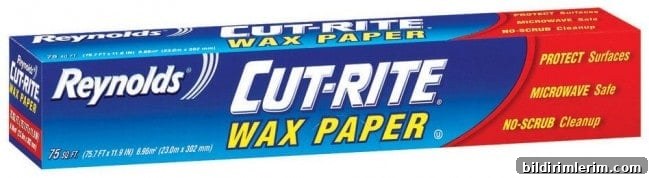
Wax paper was developed by treating thin tissue paper with food-grade paraffin wax. Thomas Edison is often credited with early versions of waxed paper, and companies such as Reynolds popularized the boxed roll format in the early 20th century. For decades it was a kitchen staple for wrapping and food prep.
Although wax paper has useful non-oven applications, many sources note that parchment paper is a superior option for most baking tasks—particularly those involving heat.
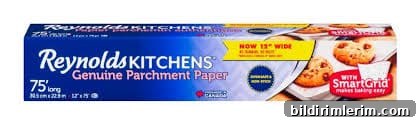
When did parchment paper gain popularity in home kitchens?
Parchment paper has been used in professional kitchens for a long time, but it became a common household item in recent decades as consumers embraced nonstick baking techniques. Cooking shows, demonstrations, and widely shared recipes helped bring parchment into more home kitchens, changing how we bake and prepare food.
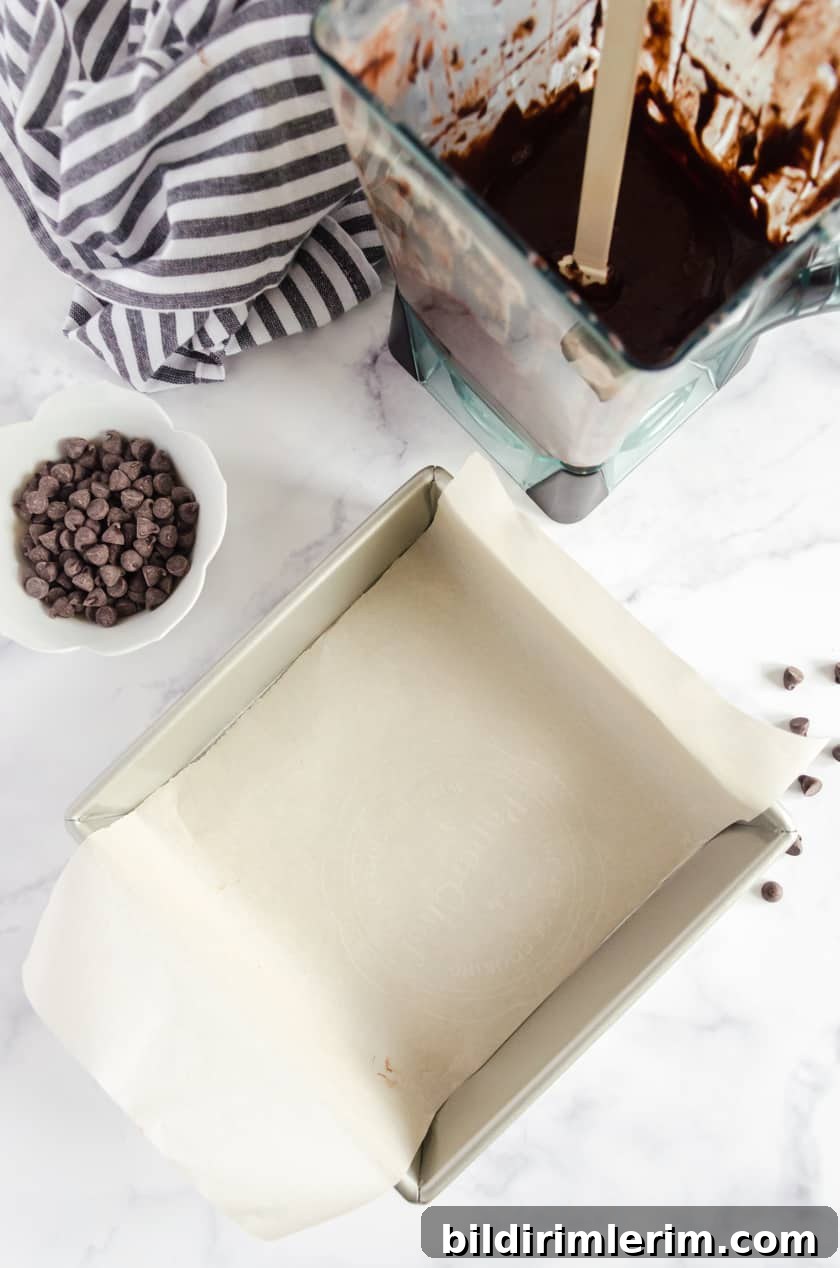
Wax paper vs parchment paper: what’s the difference?
The key difference is how each is made and how they handle heat. Wax paper is coated with paraffin or other types of wax; it is not designed to resist oven temperatures. Exposed to direct heat, wax can melt and may ignite, so wax paper is recommended only for cold or room-temperature uses—wrapping sandwiches, covering countertops while rolling dough, or separating layers of cookies in the freezer.
In contrast, parchment paper is treated with a heat-resistant coating—typically silicone—that makes it safe for oven use up to a specified temperature (commonly around 450°F / 232°C). Parchment is excellent for lining baking sheets, preventing sticking, and helping cakes and other baked goods release cleanly from pans.
A practical note from my experience: when wax paper is placed beneath raw cake batter inside a pan, it isn’t directly exposed to oven elements, which is likely why many home bakers have used it without issue for years. Still, best practice is to use parchment paper for any recipe that will be baked at elevated temperatures.
Is parchment paper flammable?
Although parchment paper is designed for baking and tolerates oven temperatures, it is still combustible under certain conditions. Parchment will darken with heat and can scorch at very high temperatures. If parchment paper slips off a baking sheet and comes into contact with an exposed heating element or open flame, it can ignite. For that reason, take care when placing pans into the oven and avoid using parchment at temperatures above the product’s rated limit (commonly 450°F).
Tip: keep parchment firmly against the pan or line the pan before adding batter so it remains secure during transfer into the oven.
Where to buy wax paper and parchment paper
Most grocery stores carry both wax paper and parchment paper in the baking aisle. Supermarkets also stock specialty options like silicone baking mats, which are a reusable, nonstick, oven-safe alternative for many baking tasks.
If you prefer single-use convenience, choose parchment paper for baking tasks and save wax paper for food prep, wrapping, and cold uses. Silicone mats are a good investment if you bake frequently and want a durable, nonstick surface.
Final recommendations
- Use parchment paper for baking and roasting—it’s designed for heat and prevents sticking.
- Reserve wax paper for nonheated tasks such as wrapping foods, separating layers for freezing, or using as a work surface for messy projects.
- Keep parchment secured to the pan to prevent it from sliding into heating elements.
- Know the maximum temperature rating on your parchment—most are safe up to about 450°F.
More ideas for your home
If you enjoy recipes, crafts, and practical baking tips, consider subscribing to newsletters or following trusted cooking resources to stay updated on kitchen techniques and safety tips.