The Dining Room: A Space Worth Using
The dining room has always been one of my favorite rooms in the house. It feels like a quiet archive of family history, filled with details I love — especially those beautiful windows with their many small panes that scatter light in a way modern windows rarely do.
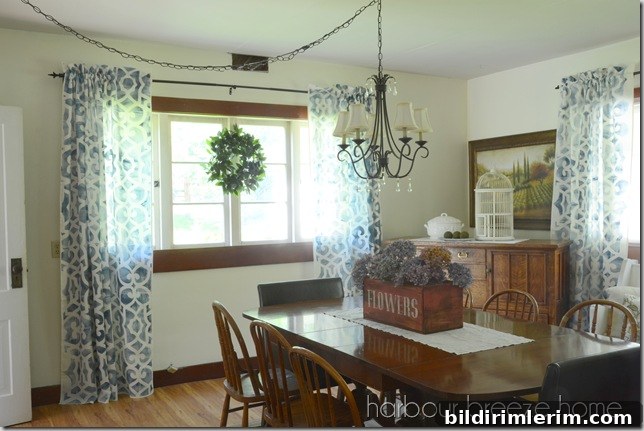
Over the years we’ve invested a fair amount of work into making the room look and feel right. It’s been painted more than once, and the stenciled curtains were a real labour of love — a project that took time but paid off in charm and personality. Those details matter: they’re what make the room feel like ours.
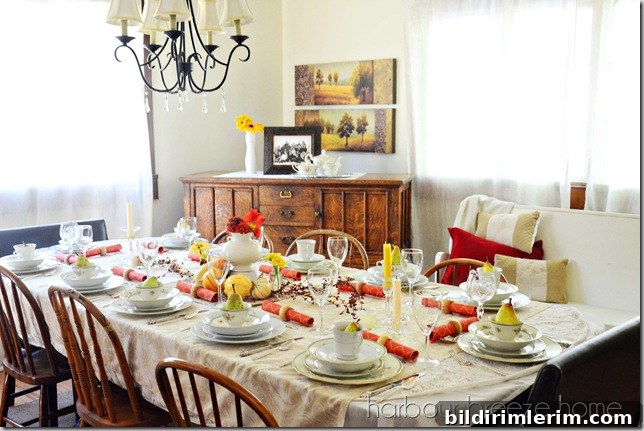
Still, despite the care we’ve put into its appearance, the room wasn’t working for us in practice. We rarely used it. We don’t host large dinner parties regularly — in fact, we didn’t have a single large dinner last year — and we don’t consistently gather the family here each evening. The dining room looked lovely, but its function didn’t match our day-to-day life.
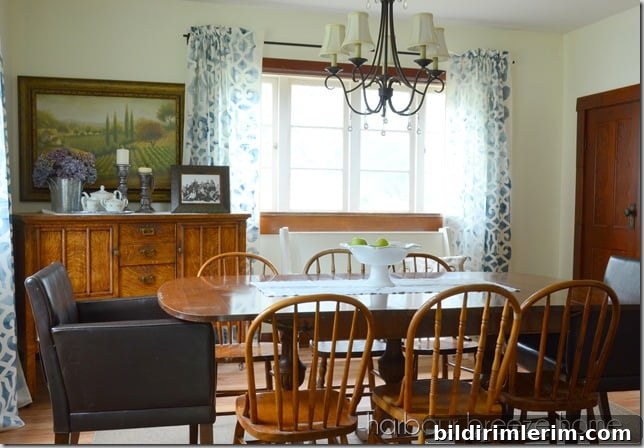
My husband and I spent a lot of time talking about what we wanted this room to be. Our dream was simple: a dining room that we actually use. A room that combines beauty with practical function — somewhere we can entertain comfortably but also sit for everyday meals, work on projects, read, or host family moments without feeling like the space is reserved for something special that rarely happens.
When the email from Benjamin Moore arrived, it felt like the nudge we needed to move from planning to action. We didn’t just want to refresh the room’s look; we wanted to rethink how it works. The goal is a thoughtful dining room makeover that preserves the room’s character while adapting it to our lifestyle.
Importantly, the main furniture pieces will stay. They’re family heirlooms, rich with memories and too meaningful to replace. Instead of removing them, we’re giving them new purpose — adjusting layout, improving comfort, and adding functionality so these treasured pieces can serve daily life as well as special occasions.
Our approach to the redesign is guided by a few key priorities: keep the historical charm of the small-paned windows and original furniture; introduce colors, finishes, and fabrics that invite use; and create flexible zones so the room can shift between dinner, work, study, and casual family time without losing its identity as a dining room.
Practically, that means thinking about durable upholstery, smart storage for tableware and everyday items, and lighting that works for everything from evening meals to late-afternoon homework. It also means choosing paint and textiles that celebrate the vintage elements while making the room feel warm and current.
We’re excited to share this ongoing dining room transformation — a project that’s as much about changing daily habits as it is about decorating. The plan is to reveal each step as we go, from paint choices to furniture tweaks and functional updates. If you have ideas for how to make a dining room more usable for everyday life, I’d love to hear them.
For now, stay tuned for the next installment of our dining room makeover saga — where tradition meets practical design and makes a room we’ll finally use, every day.