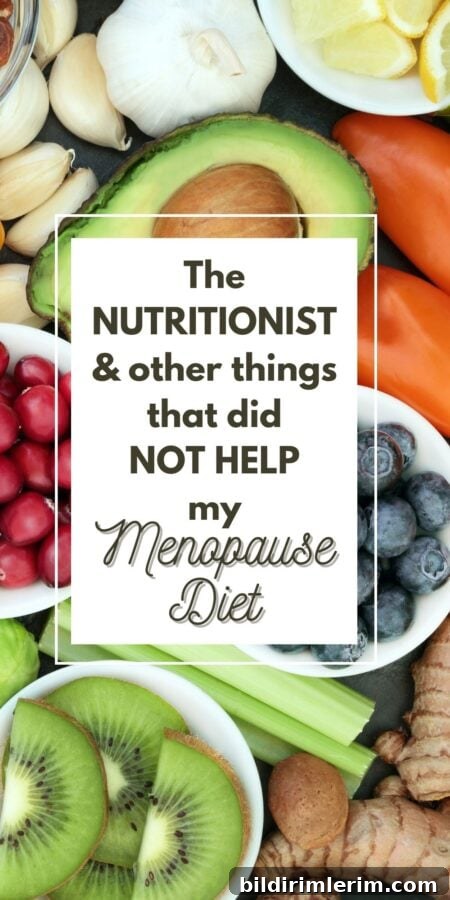
I knew I was in trouble the moment the nutritionist looked me in the eye and said, “You need to eat more bread.”
A recent visit to a nutritionist was another stop on my mid-life health journey. Two years after a hysterectomy, I’ve been working to reduce the very common menopause belly and learn how to fuel my body better in this new stage of life. (You can read my full story and recovery tips on my blog.)
I’m treating this like a before-and-after room makeover, except instead of paint and decor I’m hunting for the right combination of nutrition, movement, and routines that help me feel my best during mid-life. I know diet and exercise matter—what I’m still learning is what they look like for me, day to day.

What hasn’t helped me identify my menopause diet
When I say “diet” I don’t mean a short-term quick fix. I’m after education—practical guidance on feeding my body the nutrients it needs through menopause. I’ve read that an anti-inflammatory approach and attention to hormone balance are important, but translating that into daily meals and routines has been harder than I expected.
Below are three approaches I tried that didn’t work for me—and what I learned from each. I’ll also share a one-week progress report on a program I recently started.
1. The Galveston Diet
I want to begin with a positive: I genuinely appreciate Dr. Mary Claire’s research and teaching behind the Galveston Diet. I bought the program, watched the videos, and learned a lot from her insights on menopause. The plan is rooted in research and emphasizes intermittent fasting, macro balancing, and regular movement.
- What it is: A menopause-focused plan that combines intermittent fasting, tracking macros, and exercise, developed by a gynecologist based on clinical experience and research.
- What I liked: The educational material is excellent—clear, evidence-minded, and focused on menopause-related concerns.
- What didn’t work for me: The fasting window felt too long for my digestion and day-to-day routines. Even with meal plans and support tools, the structure didn’t fit my body’s needs, so I couldn’t sustain it.
2. Metabolic Renewal by Dr. Jade Teta
I bought this program impulsively after seeing an ad. It contains useful information and recipes, but my experience was soured by a pushy follow-up sales call that tried to up-sell supplements and products. The physical materials arrived weeks later, and by then I felt overwhelmed and unsure where to begin.
There were helpful elements, but the complexity of the program and the sales approach made it difficult for me to stick with it consistently.
3. A Nutritionist
I was hopeful about working with a nutritionist, and the consultation was friendly and thorough. That said, the practitioner I met didn’t have specific guidance for menopause. Her primary recommendations boiled down to “follow the Mediterranean diet” and, surprisingly, “eat more bread.”
I followed the handouts and tried to implement the plan, but I was constantly hungry and didn’t notice any benefits. The session left me better informed about general healthy eating, but not better equipped for menopause-related changes.
This week’s progress report
On Monday I signed up for a new six-week program many friends had recommended. I’m keeping the program name to myself for now while I test it longer, but after one week I’m encouraged. The app-based program includes meal plans, macro tracking, coaching access, and a supportive community—everything in one place.
The first week required learning the app, tracking macros, and trying new recipes. It’s been time-consuming, but it’s also practical: the app provides coaching, a private group with daily focuses, and step-by-step teaching so I can concentrate on one change at a time.
This week’s focus included whole foods, balanced macros, staying hydrated, a simple overnight fast from 7 pm to 7 am, and exercise adapted for my fibromyalgia. After six days I can already see and feel changes.
Here’s my one-week report:
- My skin looks better and feels healthier.
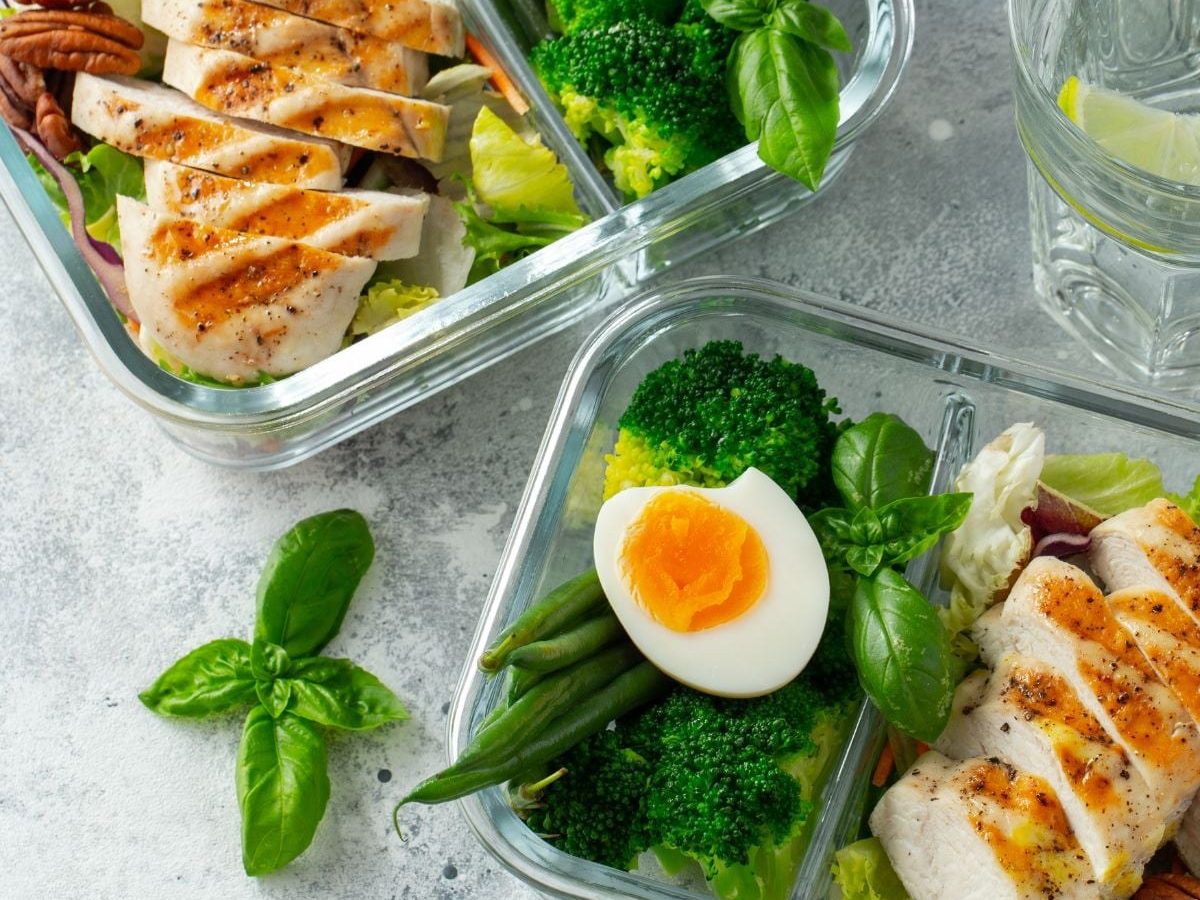
- My fridge is stocked with more vegetables and fruit than ever before.
- I have more energy and fewer aches, with normal soreness after an intentional “leg day.”
- My sleep has improved.
- I lost an inch from my waist and two pounds, which is motivating even though I know weight alone isn’t the full measure of health.
- I discovered quick, tasty recipes that will become staples—I’ll share them once I have photos and notes ready.
Update: The program I started was the Faster Way to Fat Loss. I’ll share a full review after I’ve completed more of the plan.
Are you on a mid-life health journey?
I’m not a medical professional—I’m experimenting and learning what works for my body. If you’re navigating similar changes, I’d love to hear about your experiences. What strategies, diets, or routines have helped you through menopause or post-hysterectomy life?
Leave a comment below and share your tips. We can learn from each other as we figure out the best ways to support our health and feel our strongest in mid-life.