
 (Day 6)
Day 6: Lessons from the Tastee Hut and Training in Our Camp Kitchen
My very first job was in junior high, and I still remember how nervous I felt walking through the back door of the Tastee Hut for that initial shift. The owners, Erbin and Lauretta, were a warm, patient couple who taught me the basics of working in a fast-paced food environment. Lauretta showed me everything from punching a time card and making a chocolate shake to making change and keeping windows spotless. Erbin taught me how to season burgers correctly before flipping them—one of those small skills that makes a big difference in taste.
They weren’t just business owners; they mentored many young people over the years, helping them learn what it means to show up, take responsibility, and do a job well. If you wanted to slack off, the Tastee Hut wasn’t the place to be. That kind of steady, practical training shaped my approach to work and hospitality.
Our Camp Kitchen: A Training Ground for Hospitality
Now, in our camp kitchen, we aim to offer a similar kind of learning experience. One of the things we love most about this place is the people we get to work with—the energetic, eager team who come to help prepare meals for our guests. This fall and winter, our group of helpers has become an essential part of our operation. They’re not just assistants; they are trusted members of the kitchen team.

Pictured left to right, back to front: Curtis, Melissa, Ben, Ryan, Emma, Travis, Josh, and Holly.
When they work with me, I refuse to call them simply “kitchen helpers.” They are my assistants and collaborators—my sous chefs—working alongside me to get fresh, satisfying meals on the table for our guests. Many have already completed a Basic Food Safe course, which is fantastic, and for those who haven’t, I teach food safety and kitchen technique as we go.
Food Safety and Professional Standards
Teaching kitchen staff about food safety and professional habits is a priority. Good training not only protects the health of our guests but also builds confidence and competence in anyone starting out in hospitality. We focus on clear, practical rules that become second nature over time. Below are the three essential attire and hygiene rules we require before anyone steps into the cooking area.
- Closed-toe shoes: As comfortable as flip-flops can be, the kitchen is not the place for them. Closed-toe shoes are a safety necessity. Hot liquids can splash, and sharp tools can fall—proper footwear protects against common kitchen injuries.
- Hair tied back: If your hair is long enough for a ponytail, it should be secured. No one wants hair in their food, and keeping hair contained is a simple, respectful habit that keeps our kitchen sanitary. Hats are optional but appreciated by some of our team.
- Thorough handwashing: Everyone must wash their hands at the designated handwashing station before entering the kitchen and whenever needed during service. We wash often—it’s essential for food safety and for maintaining a professional kitchen.
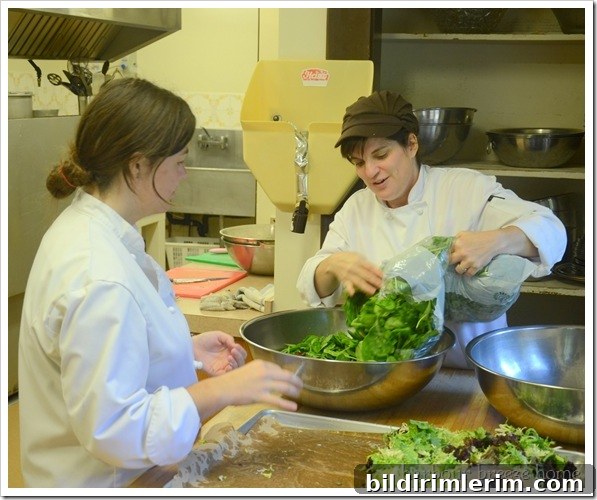

I admit I’m a little obsessive about the handwashing rule—and for good reason. Frequent, correct handwashing substantially reduces the risk of contamination and keeps our guests safe. Teaching this habit early helps new team members understand the standards expected in any professional kitchen.
Mentorship, Memory, and Gratitude
Reflecting on those early days at the Tastee Hut, I’m grateful for Erbin and Lauretta’s patient instruction. Erbin passed away a few years ago, which was sad, but I had the chance to hug Lauretta the last time I visited my hometown. The Tastee Hut is still in business, and when I visited recently we enjoyed a meal there—some of the best burgers I’ve eaten in my life. Their example of steady mentorship and high standards lives on in how I coach our team today.
In the camp kitchen, our goal is simple: give young people a real taste of hospitality work, teach them dependable skills, and help them build pride in doing a job well. When our sous chefs leave our kitchen, they take more than recipes with them—they take responsibility, respect for food safety, and the confidence to succeed wherever they go.