
The Versatile Dresser: Small Storage, Big Impact
As I’ve worked to simplify and organize our home, one piece of furniture has consistently proved its worth: the humble dresser. Simple in design, a dresser is essentially a wooden box with drawers, but its usefulness goes well beyond clothing storage. With the right placement and a little creative thinking, a small dresser can solve a surprising number of organizational challenges.
Why a Small Dresser Works Everywhere
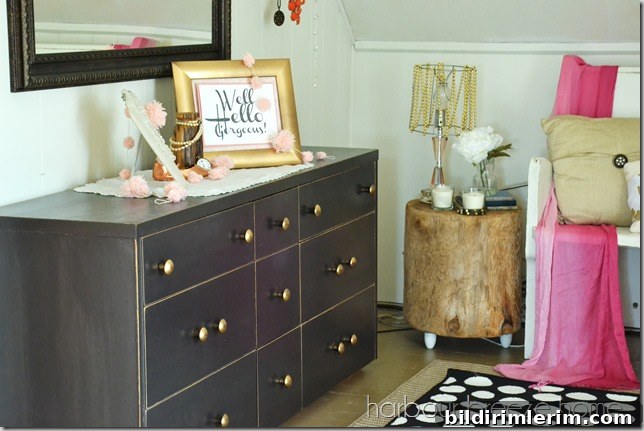
Dressers are flexible because they combine concealed storage with a flat surface. That dual purpose lets them both hide everyday items and display decorative objects or serve as a functional landing spot. In our home, dressers have moved from room to room as needs changed, adapting to new roles without requiring significant alterations.
Practical Uses Room by Room
In a walk-in closet, a small dresser doesn’t have to hold clothes. One of ours stores bike locks, cosmetic bags, travel-sized toiletries, and extra linens — items that need containment but not hanging space. Because the drawers are shallow and accessible, they’re perfect for grouped small items that otherwise create clutter.
In the entryway, a compact dresser acts as a drop zone. Keys, sunglasses, mail, and the daily essentials fit neatly into drawers, while the top surface becomes a staging area for decorative bowls, a lamp, or a charging station for small devices. This keeps the entry tidy and reduces the visual chaos that accumulates in high-traffic areas.
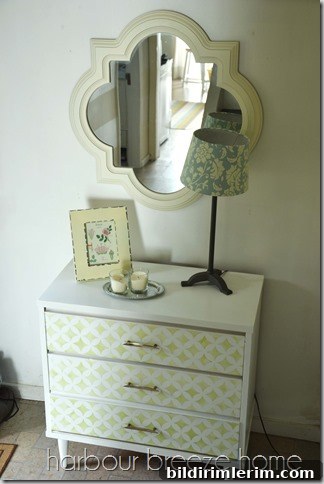
In my office, a dresser is a workhorse. The middle drawer is a “tool drawer” for frequently used supplies, while the lower drawer holds gift-wrapping materials and larger items. In the past it even lived in the kitchen as a home communication and command center — demonstrating how easily a dresser can adapt to changing household routines.
How to Choose and Use a Dresser Effectively
- Measure first: Check height, width, and depth to ensure the dresser fits the intended space and leaves clearance for drawer operation.
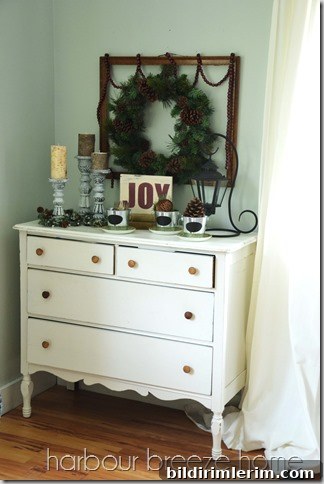
- Match scale and style: Choose a size and finish that complements the room. A smaller, lighter-colored dresser works well in compact or bright spaces; a darker, sturdier piece can anchor a room visually.
- Organize inside the drawers: Use dividers, small bins, or drawer organizers to keep items separated and easy to find. Shallow drawers are ideal for papers, tools, or craft supplies; deeper drawers can hold bulkier items like linens or electronics.
- Designate each drawer: Labeling or consistent placement prevents drawers from becoming “catch-alls.” One drawer for tools, one for office supplies, one for seasonal items keeps things predictable.
- Think vertically: If floor space is limited, choose a taller, narrower dresser to increase storage capacity without overwhelming the room.
Styling and Maintenance Tips
Keep the surface purposeful but uncluttered: a lamp, a framed photo, and a small tray for daily items are often enough. For longevity, clean and condition the finish according to the material (wood vs. painted surfaces). Tighten hardware periodically and consider drawer liners to protect surfaces and simplify cleaning.
Repurposing Ideas
Dressers are excellent candidates for repurposing. Convert one into a TV stand with hidden media storage, use it as a craft center with labeled drawers, or place it in a mudroom to organize seasonal gear. A little creativity transforms a simple piece of furniture into a customized solution for whatever storage puzzle you face.
If you’re facing a specific organizational challenge, consider whether a small dresser could be the practical, attractive solution you need. It’s one of those versatile pieces that quietly solves problems while enhancing the room’s look.
Have a lovely day!
Rita Joy