

In this article: Practical tips and tricks for cooking for two during mid-life — ideas to make meal prep easier, reduce waste, and take the stress out of dinner time.
Cooking for two is a common transition that can feel unfamiliar at first. Whether you’re an empty nester scaling back from family-sized meals or a newlywed learning to feed a household of two, the goal is the same: make meals satisfying, efficient, and enjoyable without wasting time or food. The following tips are focused on saving time, stretching your budget, and helping you eat well with less hassle.

Here are my best tips for cooking for two
- Plan ahead – Planning is the single best way to save time, money, and last-minute stress. Take 20–30 minutes once a week (or a little longer once a month) to map out your meals and build a grocery list. Prioritize recipes that share ingredients to reduce waste and simplify shopping. A simple meal planning template with a grocery list can help you stay organized and avoid the “what’s for dinner?” scramble.
- Cook once, eat twice – Batch-cooking and intentional leftovers turn one cooking session into multiple meals. Make family-sized recipes, then portion and refrigerate or freeze extra servings for another night. Many casseroles, stews, and pasta bakes reheat well and taste even better after the flavors meld overnight.
- Use your freezer to its full advantage – Prepare freezer-friendly meals and keep a rotating inventory so you always have ready options. Label and date each container, and store meals in portion sizes that match how you eat. Freezer-friendly options include soups, lasagnas, marinated chicken breasts, and individually wrapped portions of proteins or grains.
- Invest in smaller bakeware and containers – Converting a 9×13 recipe into smaller pans reduces waste and makes storage easier. Consider using two 8×8 pans, four small square dishes, or stackable containers with lids. Having appropriately sized bakeware helps you cook the right quantity without guessing.
- Use this time to experiment with new recipes – With fewer people at the table, it’s easier to try new flavors, spices, and healthier ingredient swaps. Rotate a few new recipes into your plan each week to keep meals interesting and discover combinations you both enjoy.
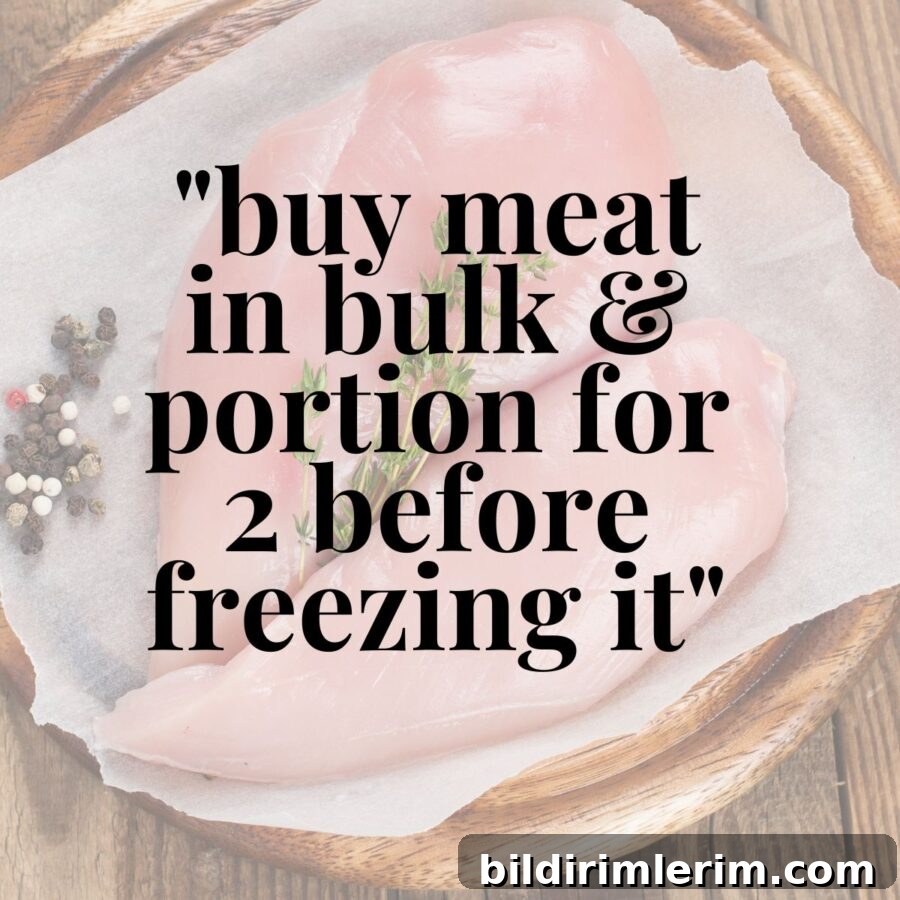
- Buy meat in bulk and portion before freezing – Purchasing larger packs of meat and dividing them into meal-sized portions saves money and reduces waste. Portion ground meat into individual burger or taco packs, or freeze chicken breasts in pairs and add marinade before freezing so they’re ready to grill. Use reusable bags or containers, label with the date, and thaw in the refrigerator when needed.
- Keep pantry staples on hand for quick meals – Stock a few reliable pantry items that let you assemble dinner fast on busy days: pasta, canned tomatoes, canned beans, rice, broth, olive oil, canned tuna, jarred sauces, and a selection of dried herbs and spices. Frozen vegetables and pre-cooked grains are also lifesavers for quick, balanced meals.
- Make friends with simple recipe math – Halving or scaling recipes is usually straightforward: divide ingredient amounts by two for a recipe that serves four. Some adjustments (spices, salt) may need smaller tweaks by taste. If math feels tedious, print the recipe and write the new quantities on the page before you start.
- Enjoy leftovers creatively – Leftovers don’t have to feel repetitive. Turn last night’s roast into a salad topping, make a rice bowl from leftover grains and roasted vegetables, or fold extra chicken into an omelet or sandwich. Adding a fresh side salad or a bright garnish can make a second-day meal feel new.
- Keep a few convenience options for busy nights – Everyone deserves an easy night off. Stash a handful of high-quality convenience items—frozen entrées you trust, pre-cooked proteins, or ready-made sides—in the freezer so you can relax when you don’t feel like cooking. Use these as planned breaks, not a habit.
Extra practical pointers: label and date everything you freeze, maintain a short list on the fridge of what’s in the freezer, and rotate older items forward so nothing gets forgotten. When trying new recipes, pick one or two to add per week so meal planning stays manageable.
Do you have favorite strategies for cooking for two? Share your ideas in the comments — swapping tips is a great way to discover new shortcuts and favorite meals.
Happy cooking!