
Keeping the Camp Kitchen Clean: Our Daily Sanitation Routine
I can’t cook if the kitchen isn’t clean first. That’s true at home and it’s absolutely true at our camp kitchen. A tidy, sanitized workspace makes cooking safer, faster, and more enjoyable — especially when you’re operating a busy camp kitchen that produces a wide variety of meals and baked goods throughout the day.
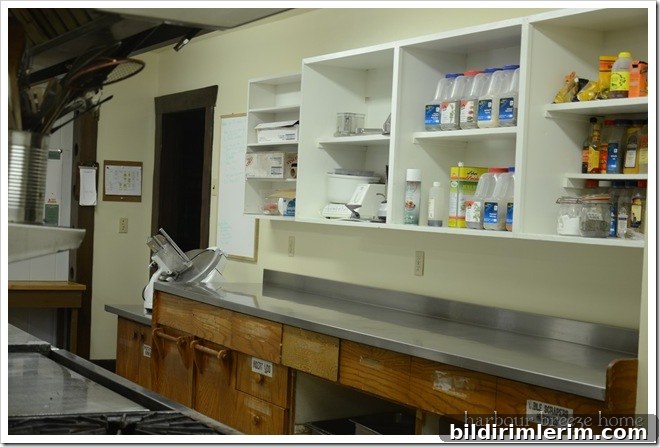
Because the volume and pace in a working commercial-style camp kitchen are much higher than at home, we rely on a simple, consistent cleaning schedule. That lets many people contribute small, manageable tasks throughout the day so the kitchen stays in ship-shape condition without wearing any one person out.
Why a Routine Matters
Clear expectations help everyone do their part. A solid routine reduces cross-contamination risks, keeps utensils and work surfaces ready for the next task, and makes end-of-day cleaning faster and more thorough. It also helps new staff and volunteers step in quickly without confusion.
Our Daily Cleaning Checklist
- Morning sanitization: First thing each morning the kitchen crew sanitizes all countertops and food-contact surfaces with an approved kitchen sanitizer (we currently use Oasis). This prepares a clean work area for the day’s prep and service.
- Clean and sanitize between tasks: Utensils and tools used for a specific job are cleaned and sanitized before switching to a different task. This applies to mixing spoons, scoops, pans, and other equipment. Chef’s knives are always washed by hand and dried immediately.
- Workspaces and cutting boards: All work surfaces and cutting boards must be cleaned and sanitized between jobs. Color-coded boards for different food groups help prevent cross-contamination and make it easy to follow the rule.
- Cloth management: Cloths used for handling or cleaning up meat are placed directly into the dirty laundry hamper and replaced with a fresh cloth. This keeps raw-protein residues out of general cleaning supplies.
- Trash protocol: Garbage is emptied as needed during the day and always at the end of each meal. Regularly removing trash helps control odors and pests and keeps prep areas clear.
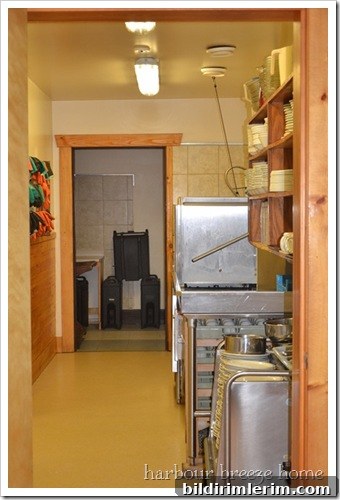
- Dish pit care: The dish pit is cleaned and mopped after each meal service. Keeping this area tidy avoids buildup of food residue and makes dishwashing safer and quicker.
- End-of-day mopping: The designated mop-up crew mops the entire kitchen and bakery area at the end of the day. Floors are swept and then mopped with an appropriate cleaning solution to remove spills, grease, and crumbs.
How We Make It Work
To keep the system practical, tasks are broken into short, routine actions that multiple people can perform throughout the day. That way, no one person needs the physical stamina to do everything. Staff who are coaching activities like canoeing, archery, or rowing step in to wash dishes, refill supplies, and mop between sessions. The teamwork keeps operations flowing and prevents small chores from piling up.
The Benefits
Starting the day in a sparkling clean kitchen is motivating. It reduces stress during busy meal periods, improves food safety, and helps the kitchen run smoothly. A consistent approach also shortens turnaround time between tasks and ensures tools and surfaces are always ready.
A Note of Thanks
I’m constantly grateful for everyone who helps keep the kitchen operating smoothly. From teaching campers outdoor skills to returning and washing a stack of pans or sweeping the floor, our staff and volunteers are the backbone of this operation. Their willingness to pitch in — often between other responsibilities — makes all the difference.
There’s nothing quite like walking into a tidy, well-organized kitchen at the start of a busy day. Thank you to everyone who contributes to keeping this place clean and functional.