I recently published a detailed post about how to do Meal Planning for a Month using freezer meals. Since then I’ve received several questions, so I’m answering the most common ones here and sharing practical tips for successful make-ahead freezer cooking.
Freeze-Ahead Meal Recipes and How to Cook Them
Where do you find recipes that freeze well?
The idea of freezing meals for a month first came to me years ago from a cookbook concept. I learned quickly that not every recipe freezes well, so I started with familiar family favorites and adapted them. Over time I collected reliable recipes and tips from friends and experienced batch-cookers. The best candidates for freezing are structured meals like casseroles, lasagnas, meatloaves, meatballs, and most slow-cooker mixes. You can also freeze marinated meats portioned for single meals, and many soups and stews (avoiding dairy until reheating).
Here are practical techniques that make freezing and reheating much easier:
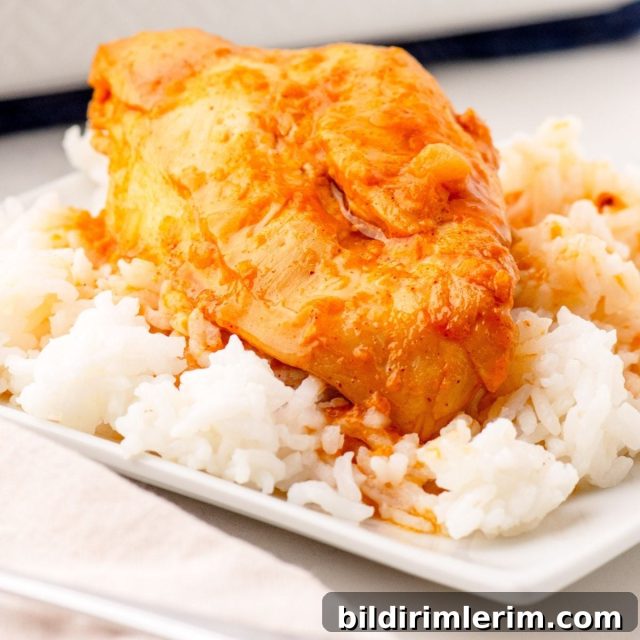
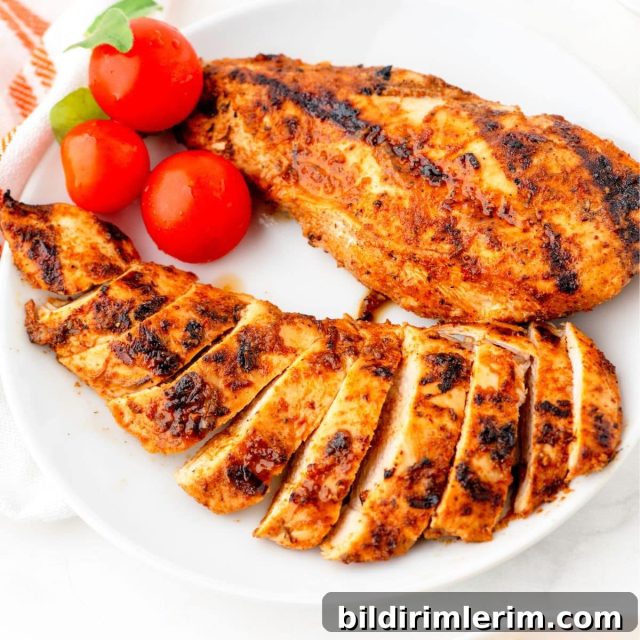
- Buy boneless, skinless chicken in bulk, divide into meal-sized portions, and add your marinade before freezing. As the meat thaws in the fridge it marinates, so it’s ready to grill or bake.
- Assemble all dry ingredients and sauces for a crock-pot recipe in a freezer bag and freeze flat. On the day you want to use it, move the bag to the fridge to thaw and then pour into the slow cooker, or microwave briefly to break the contents apart and add to the crock on low.
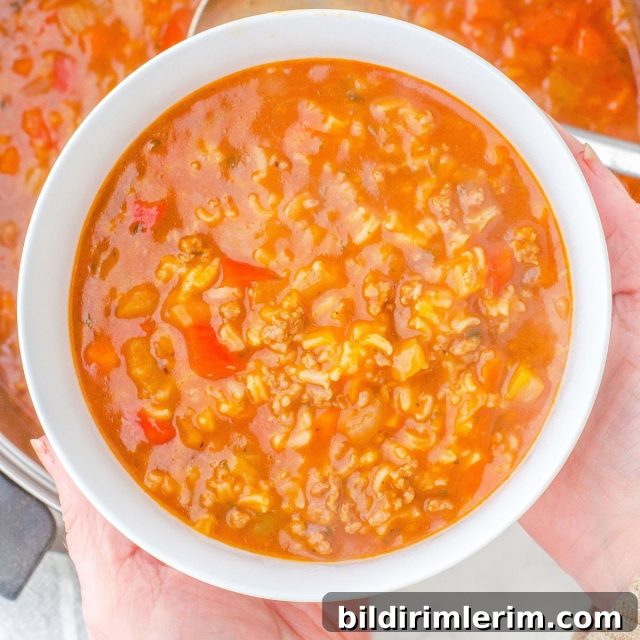
- Freeze soups and stews without cream or milk. Add dairy at the end of reheating to keep texture and flavor fresh.
- Use flat, freezer-safe bags or shallow rigid containers to speed freezing and thawing. Freeze flat bags on baking sheets until solid, then stack to save space.
- Label every package with contents and date. Include reheating instructions if you think you’ll forget specifics.
Do you thaw things before heating them, or is there a formula for heating frozen casseroles?
Great question. For casseroles I usually assemble them cold and freeze unbaked. The simplest approach is to transfer the casserole to the fridge the night before to thaw, then bake like a fresh one — generally around 350°F (about 175°C) for roughly an hour, or until heated through and bubbling. Baking time can vary by thickness and oven, so check the center for doneness.
For crock-pot meals, I pack ingredients in a bag and freeze. Thaw in the fridge overnight and pour straight into the crock pot to cook on low for the day. If I forget to thaw, I microwave the sealed bag just enough to separate solid pieces and then cook on low for the day. This flexibility is what makes slow-cooker freezer meals so convenient.
With soups, the same fridge-thaw method works well. If they contain dairy, add milk or cream during the final reheating stage — for example, raise the heat in the slow cooker for the last half hour and stir in cream or a cornstarch slurry to finish.
Will you post your recipes?
Yes — I’ve shared my go-to freezer recipes, tips, and step-by-step guidance in my original post. For quick reference, here are the recipes I often freeze and recommend:
- Lasagna
- Chicken Chimichangas
- Meatballs
- Meatloaf
- Chicken Tortilla Bake
- Sweet and Sour Sausage
- White Chicken Chili
- Favorite Chicken Marinade
Final quick tips for success: cool cooked foods before freezing to reduce condensation and ice crystals; use freezer-safe packaging and remove as much air as possible; rotate older items to the front so nothing gets forgotten; and keep an inventory list so you know exactly what’s in your freezer. With a few prepared meals and a plan, weeknight dinners become quick, satisfying, and stress-free.