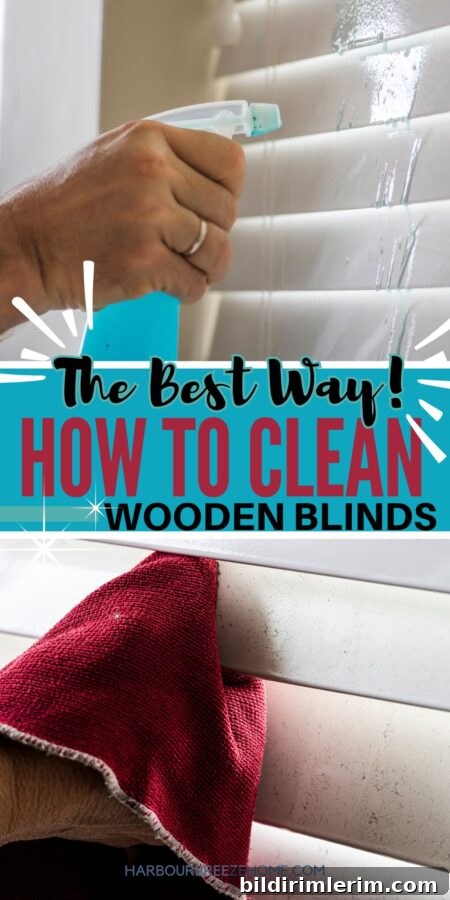
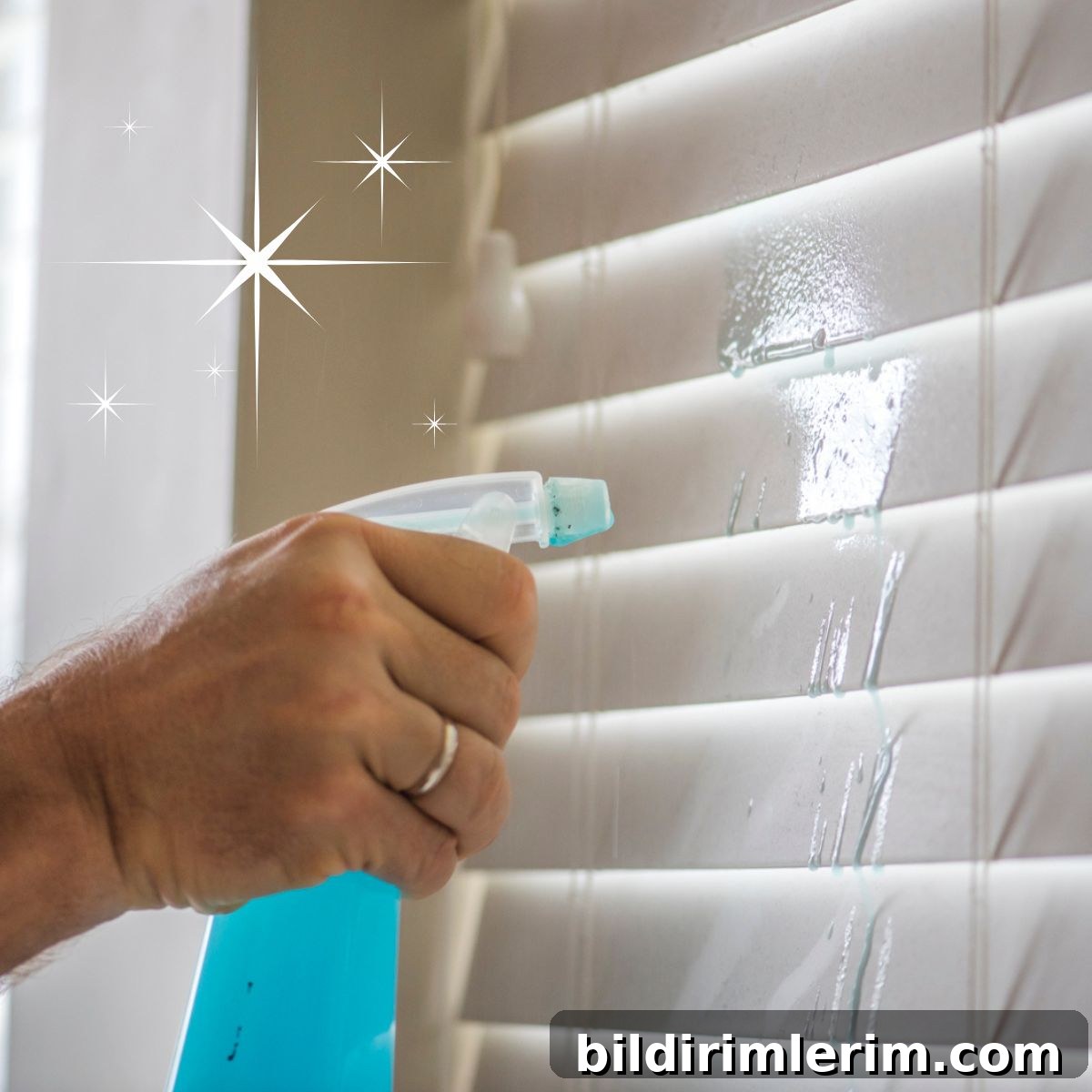
Hello! If your wooden blinds have collected dust, grease, or sticky residue, you’re not alone. Over time, wood blinds in kitchens and open living areas often attract grime that makes them look dull. This guide provides a clear, step-by-step method to clean wooden blinds safely and effectively so they look refreshed and last longer. It’s straightforward, takes some time, and the results are worth it.
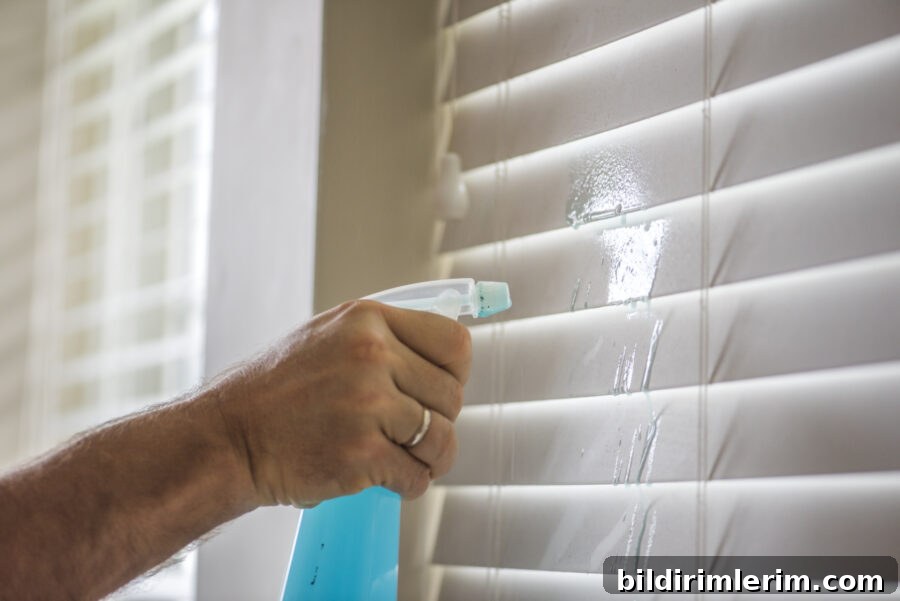
The Problem
Wooden blinds are an attractive, durable option for privacy and light control, but they can be tricky to maintain. Dust naturally builds up on the slats, and in kitchen-adjacent areas grease from cooking can combine with dust to form a sticky film. Poor ventilation or an ineffective range hood accelerates this buildup. Left uncleaned, the grime becomes more difficult to remove and can dull the finish of the wood.
The good news: with a bit of elbow grease and the right approach, you can restore wooden blinds to a clean, polished appearance without removing them from the window or risking damage to the mechanism.
How to clean wooden blinds that are just dusty
If your blinds only have light dust, the job is quick. Follow these steps for regular dusting to keep blinds looking fresh:
- Close the blinds so the slats tilt downwards and use a vacuum with a soft brush attachment to remove loose dust, working from top to bottom.
- Wipe each slat with a damp microfiber cloth, starting at the top and moving downward. Microfiber traps dust effectively without scratching the finish.
- Rotate the slats to expose the opposite side and repeat the vacuuming and wiping, this time working from bottom to top.
- Finish by drying the slats with a dry microfiber cloth to remove any lingering moisture.
What NOT to do when cleaning wooden blinds
Avoid soaking wooden blinds or hosing them down outdoors. Excessive water can damage the wood, warp slats, and cause rust or malfunction in the metal components. Because wooden blinds can be costly to replace, it’s best to use controlled, minimal moisture and gentle cleaning techniques.
Prepare to do some work when you’re going to clean greasy dusty blinds
Cleaning heavily soiled blinds requires time and patience. Working with a partner can make the task faster and easier, especially if you have multiple windows. Gather supplies and plan to work systematically from top to bottom so you don’t miss any slats.
Gather the supplies you’ll need to clean wooden blinds
- An all-purpose cleaner with grease-cutting properties. A mild homemade solution—equal parts dish soap and white vinegar diluted in water—works well for removing greasy residue.
- Soft microfiber cloths for wiping and drying.
- A bucket of warm water for rinsing microfiber cloths.
Step-by-step process to clean greasy, dusty wooden blinds (without taking them down)
Follow this process for thorough cleaning of blinds with grease and built-up dirt:
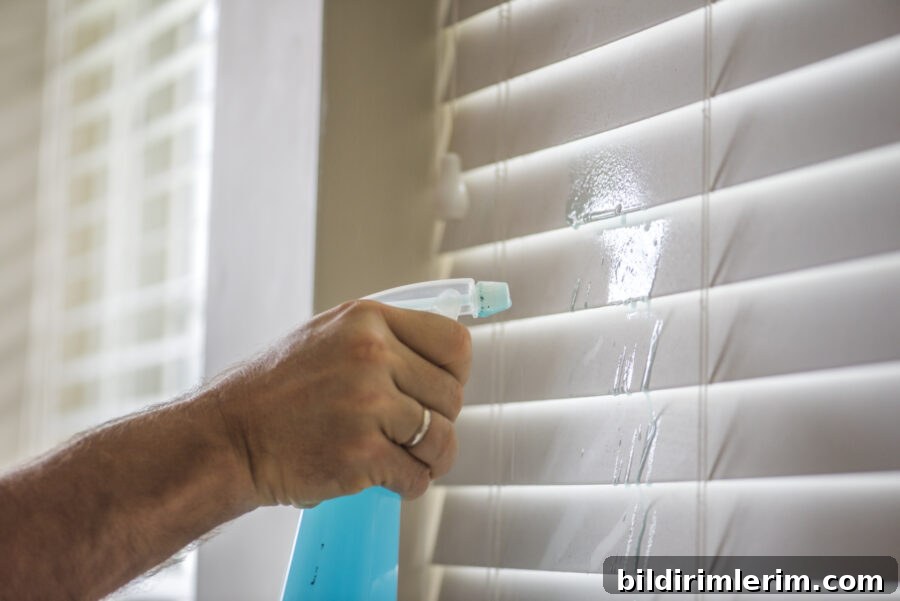
- Lightly spray the cleaner onto the slats and let it sit for 5–10 minutes to loosen grease and grime.
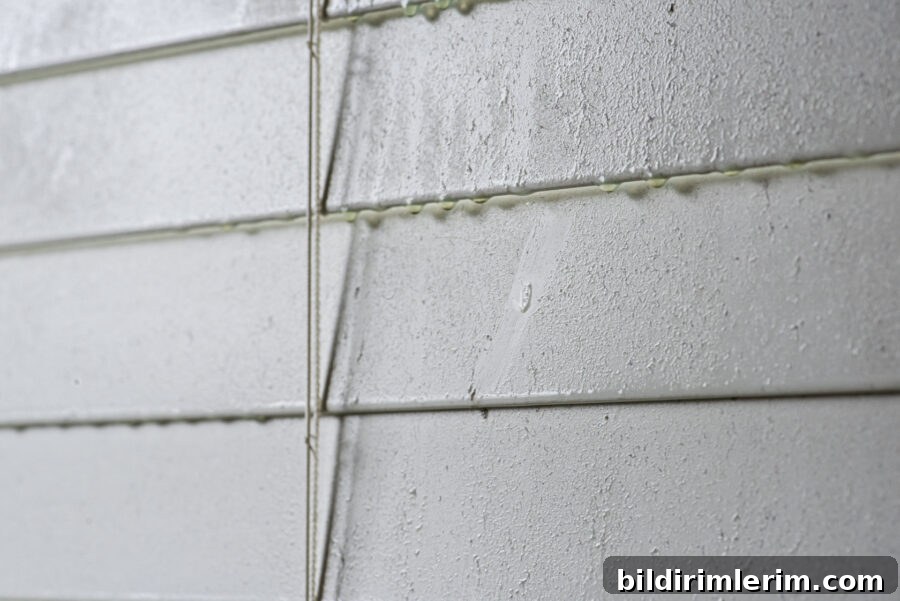
The cleaning solution will lift accumulated dirt, making it easier to remove when you wipe the slats.
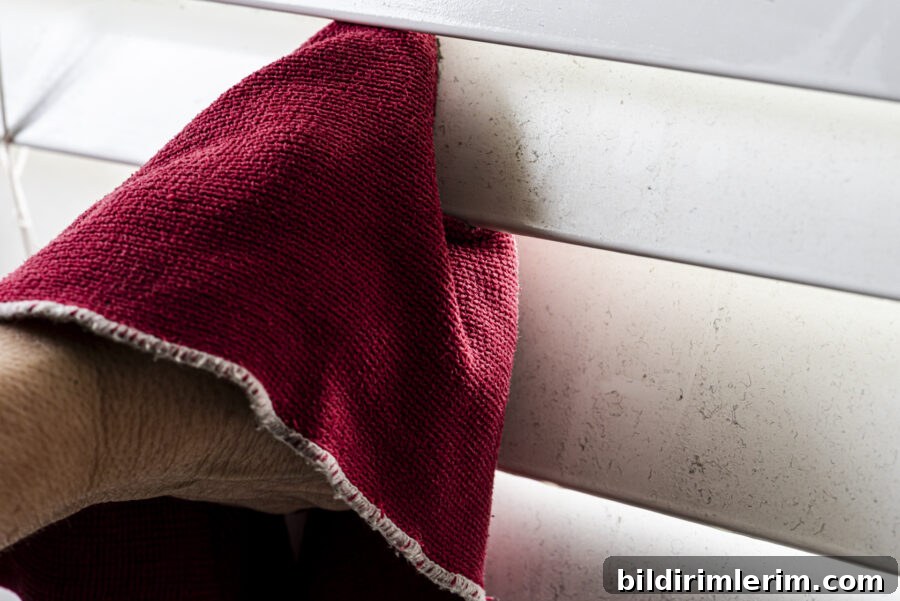
- Use a damp microfiber cloth to wipe each wooden slat. Squeeze the cloth so it is damp, not dripping, and wipe from one side to the other, working from the top down.
This method takes effort but ensures both the front and back of each slat are cleaned without oversaturating the wood.
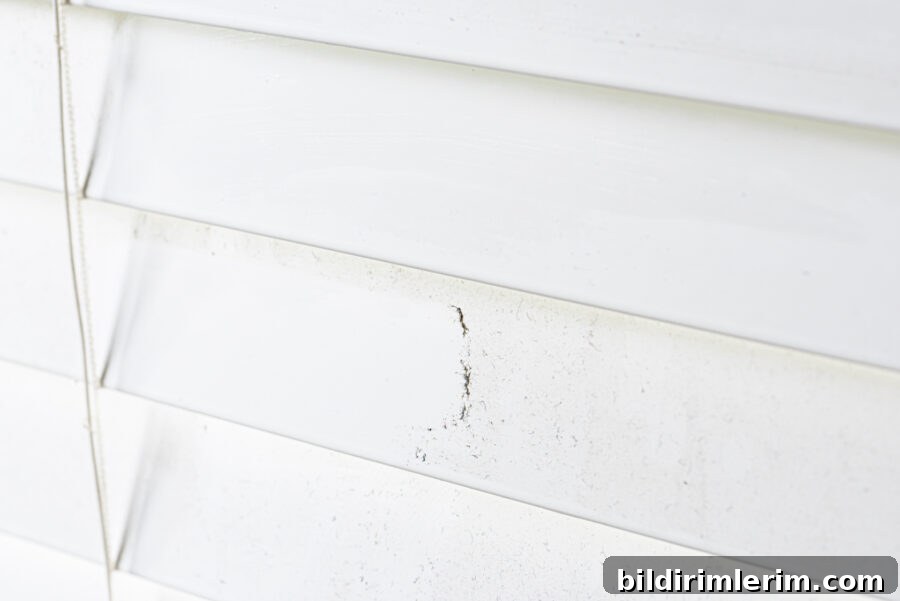
- Rinse and wring your microfiber cloth frequently in the warm water bucket, as it will pick up dirt quickly. After an initial pass with the cleaner, repeat wiping with just a damp cloth to remove any cleaning solution residue.
- Close the slats so they point downward and dry them with a clean, dry microfiber cloth from top to bottom. Then tilt the slats upward and dry the underside from bottom to top to ensure all moisture is removed.
With patience and a systematic approach, your blinds will look much cleaner and fresher. Regular maintenance will make future cleanings quicker and prevent grease buildup.
Other tips for cleaning
- Use a gentle, homemade bathroom glass cleaner for nearby glass surfaces to maintain a consistent clean look.
- For grout and shower areas, follow targeted cleaning methods designed for those materials rather than using the same solution you use on wood.
- When cleaning an entire home quickly, prioritize high-traffic and visible areas first, then tackle details like blinds and vents.
Pin this to remember it later