Gallery Wall Ideas: How to Create a Striking Feature Wall
I first noticed the gallery wall trend when a blogger I follow shared a beautiful arrangement—those aqua and yellow accents really caught my eye. Since then I’ve loved how gallery walls transform a large, empty surface into a purposeful design statement. Whether you’re working with photos, artwork, mirrors, or typographic pieces, grouping items together creates a unified focal point that reads like one large, intentional artwork rather than several unrelated objects.
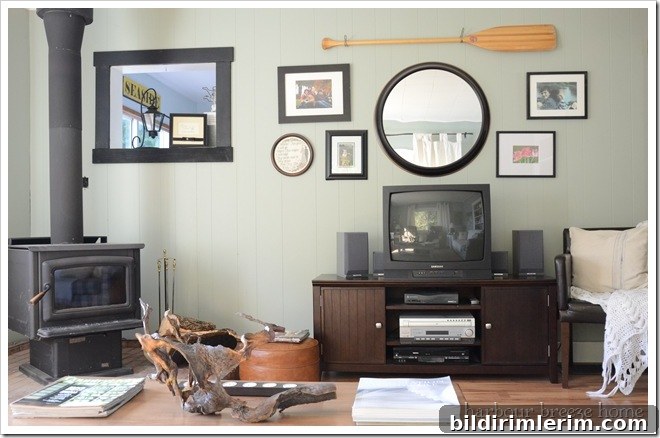
Gallery walls are particularly useful for filling oversized or awkward spaces. Instead of searching for one oversized piece, a thoughtfully composed collection of smaller items can balance the scale of a room, hide irregular architectural features, and add personality. I used a simple gallery arrangement in our living room to disguise a strange pass-through window—now the wall reads as designed rather than accidental.
There are many directions you can take when planning a gallery wall. Some popular approaches include:
- Color-coordinated layouts: Choose a dominant accent color—like aqua or yellow—and echo it across prints, mats, and accessories for visual cohesion.
- Mixed-media collections: Combine framed art with mirrors, small shelves, three-dimensional objects, and typographic pieces to add texture and depth.
- Mirror groupings: A cluster of mirrors with varied frames can amplify light and make a room feel larger while still functioning as decorative art.
- Typography and prints: Letters, words, or typographic posters interspersed with photos or artwork can add a layer of meaning and modern flair.
Practical tips for planning and installing a gallery wall:
- Start with a focal piece: Select one dominant frame or mirror to anchor the layout, then build outward from that point.
- Plan on the floor first: Lay out frames on the floor to experiment with composition before committing to nails in the wall. This lets you tweak spacing and balance easily.
- Use paper templates: Trace each frame onto kraft paper, cut out the shapes, and tape the templates to the wall to test placement and scale without making unnecessary holes.
- Keep spacing consistent: Aim for even spacing between frames—typically 2 to 4 inches works well in most rooms. Consistent gaps make the collection feel deliberate.
- Mix frame styles with restraint: A few different frame finishes (e.g., black, wood, metallic) can add interest, but avoid too many competing styles. A unifying mat color or theme helps tie diverse frames together.
- Balance light and dark: Distribute darker frames or busy images across the layout so the eye moves comfortably around the grouping instead of settling in one heavy cluster.
- Consider scale and proportion: Make sure your gallery feels proportionate to the wall and surrounding furniture. Taller walls can support more vertical compositions; lower walls benefit from horizontal arrangements centered above a sofa or console.
- Include three-dimensional accents: Small shelves, decorative plates, or shadow boxes introduce depth and catch the eye in a different way than flat frames.
- Personalize the content: Mix family photos with art and found objects to create a collection that reflects your style and memories.
For those who prefer a streamlined process, there are simple cheat sheets and layout diagrams that outline common configurations—grids, salon-style clusters, and centered compositions. These guides often suggest ideal frame sizes and spacing, helping you visualize the final result before you begin.
Inspiration can come from many places: a blogger’s curated display, a Pinterest board, or a photograph of a living room vignette. I’ve seen gallery walls that pair mirrors and typography to great effect, and others that use consistent mats or frames to achieve a calm, cohesive look. My own living room gallery started simple, and I plan to add a few more elements—perhaps a vinyl word or two—to enhance the composition over time.
If you’re tackling your first gallery wall, take your time to plan and play with compositions. Measure the space, choose a clear focal point, and test layouts on the floor or with paper templates. With a little preparation, you’ll create a striking feature wall that elevates your room and showcases your personal style.