
Follow the simple, budget-friendly steps for painting an old wood floor as shown in this attic room makeover.
These painted floors actually began with a surprising first coat—the boards were once painted purple. That bold start ultimately helped cover up years of wear and made the space feel refreshed.
Although the purple was unexpected, it cleared up the visual clutter of the old floor and provided a base to work from.
How to Paint Old Wood Floors (when you only have a small amount of paint)
1. Prime stained or previously finished boards with a good base coat
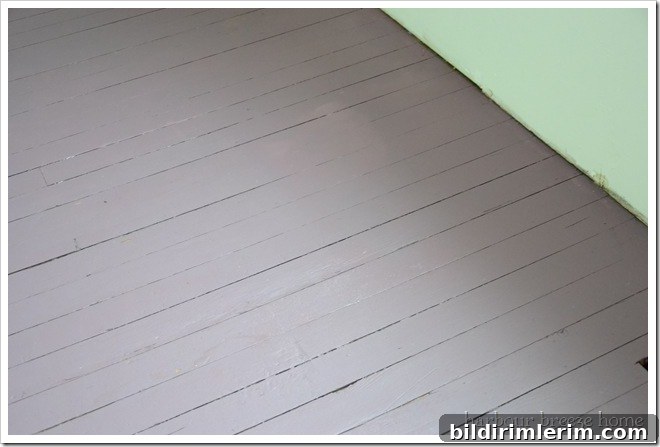
Color isn’t the only consideration when painting old wood floors. The most important step is applying a primer or base coat that adheres well and blocks any existing stain from bleeding through. A good primer evens out the surface, increases paint adhesion, and helps the final color look uniform.
Prepare the floor first by cleaning thoroughly—sweep, vacuum, and remove any grease or residue. Light sanding in high-gloss areas can help primer stick better. If there are deep gouges or gaps, fill them with appropriate wood filler and sand smooth before priming.
2. Brush on top coats with a thin, washed technique when paint is limited
If you only have a small sample can of your desired color, you can still achieve a rich finish by thinning and “washing” the paint on in thin layers. In this attic makeover, a small amount of a dark “panther” shade was enough when applied using a wash-on approach.
3. How to wash on paint to achieve the finish you want
Here’s a simple wash-on method:
- Use a shallow container to add a little water. Dip your brush lightly into the water, then into the paint, loading it with a thin, diluted mix.
- Work quickly along the boards, brushing the thin paint on in the direction of the grain. Because the mixture is thin, it dries fast, so blend and feather each stroke while it’s still wet to avoid streaks.
- Apply a light, even first coat, then assess coverage once dry. If needed, apply another thin wash to deepen the color and even out the tone.
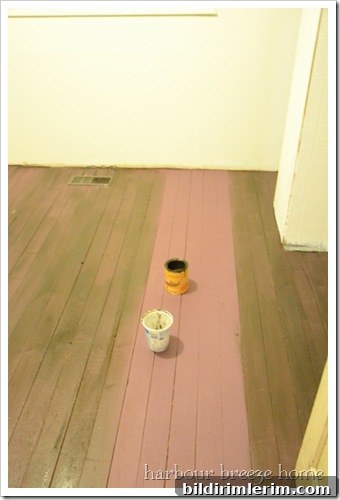
This method is especially useful when you want to change the look of an old floor without buying gallons of paint. A little paint, used sparingly, can transform the boards and still allow the wood’s texture to show through.
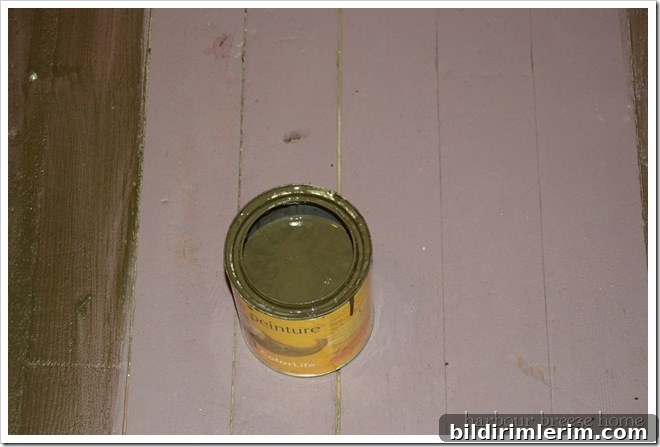
The photo above shows one board with the wash applied and neighboring boards still untreated. The contrast makes it clear how effectively a thin coat can change a floor’s overall appearance. After the first wash, there was still plenty of paint left from the small can, allowing for at least one more coat.
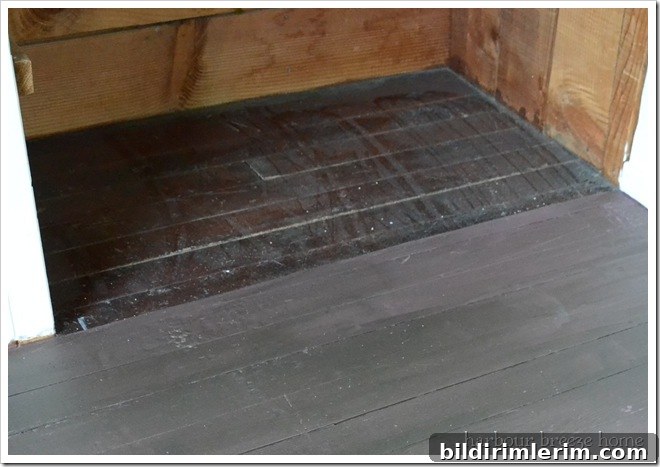
In this project, one corner of the floor under a built-in shelf was left in its original finish as a little piece of the room’s history. The finished color blends well with that area and highlights the character of the original wood.
4. Apply additional coats and consider sealing for durability
Once the first thin coat is fully dry, apply another wash or a slightly thicker coat to deepen and even out the color. Multiple light coats produce a more controlled, uniform finish than one heavy application.
For floors that will see frequent foot traffic, finish by applying a clear, durable sealant or floor-grade urethane. A clear sealer protects the painted surface from scuffs, moisture, and wear. Follow product instructions for drying times and recoating intervals.
This wash-on technique provided a cost-effective makeover for the attic room, and in the final reveal much of the floor was softened by a large rug. If you plan to paint a high-traffic area with this approach, investing in a proper sealer will extend the life and appearance of your painted floor.